China's Strategic Gains as US Stumbles in Iran Conflict
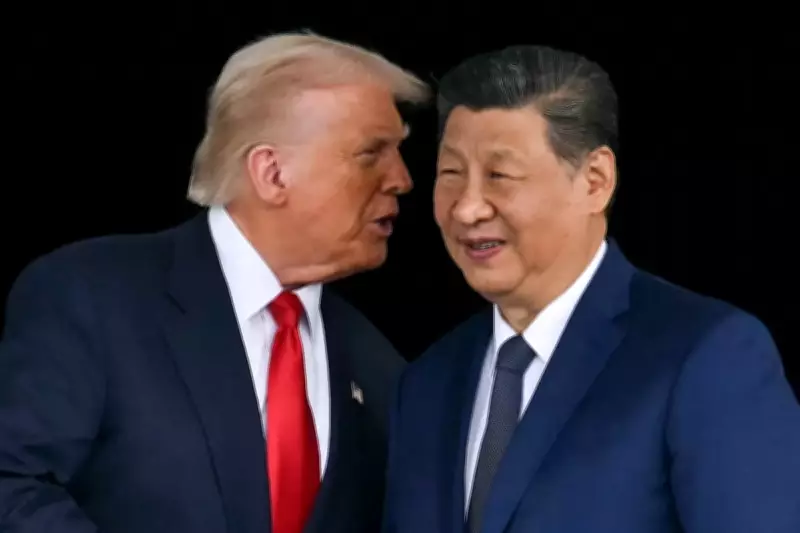
In a geopolitical landscape reshaped by conflict, one nation stands apart as an unexpected beneficiary. While the United States grapples with the repercussions of its military engagement in Iran, China has adeptly positioned itself as a stable and dependable alternative on the world stage. This dynamic underscores a significant shift in global influence, where perception and long-term planning yield tangible advantages.
The Perception of Power and Dependability
As the US navigates the turbulent waters of the Middle East, critics both domestically and internationally view its actions as reckless and hubristic. In stark contrast, China's methodical adherence to its strategic plan projects an image of solidity and intelligence. This dichotomy was aptly captured by The Economist, invoking Napoleon Bonaparte's wisdom: "Never interrupt your enemy when he is making a mistake." For nations once reliant on American support, now facing torn strategies and economic fragility, China's consistent long-game holds immense appeal.
Diplomatic and Economic Fortification
Diplomatically, China has strengthened its position, capitalizing on the vacuum left by US missteps. Economically, it has demonstrated resilience despite initial shocks. While China is Iran's largest oil customer, importing 80% of its exported oil, this constitutes only 10% of China's total oil imports. Moreover, Beijing maintains substantial reserves of 1.2 to 1.3 billion barrels, providing a buffer against supply disruptions. This foresight is part of a broader mixed energy policy, emphasizing nuclear and renewable sources while gradually reducing reliance on fossils.

Navigating Economic Complexities
China's economic strategy is not without challenges. A recent 13% increase in petrol prices, though responsive to Iran-related oil price hikes, serves a dual purpose: combating deflationary pressures by stimulating inflation and boosting GDP. This approach contrasts with global efforts to curb inflation but aligns with Beijing's goal of preventing manufacturing stagnation. However, higher prices risk affecting exports, which are crucial to China's economy, accounting for a third of its growth and a record $1.2 trillion trade surplus last year.
Vulnerabilities and Opportunities
The reliance on exports introduces vulnerabilities, especially amid global trade uncertainties exacerbated by war and tariffs. A downturn in international demand could strain China's economy, already facing a depressed property market and shaky consumer confidence. Yet, China retains strategic advantages, such as dominance in electric vehicles, lithium batteries, and solar cells. As Europe and other regions reassess priorities post-conflict, demand for these green technologies is likely to surge, positioning China as a key supplier.
The Broader Implications
This scenario highlights a broader realignment in global power dynamics. While the US thrashes about in the Middle East, China remains distant from the chaos, focusing on economic growth and diplomatic stability. The conflict has accelerated a shift where nations increasingly view China as a reliable partner, despite lingering concerns over human rights and regional ambitions. As the world adapts to these changes, China's calculated approach may redefine superpower relations for years to come.