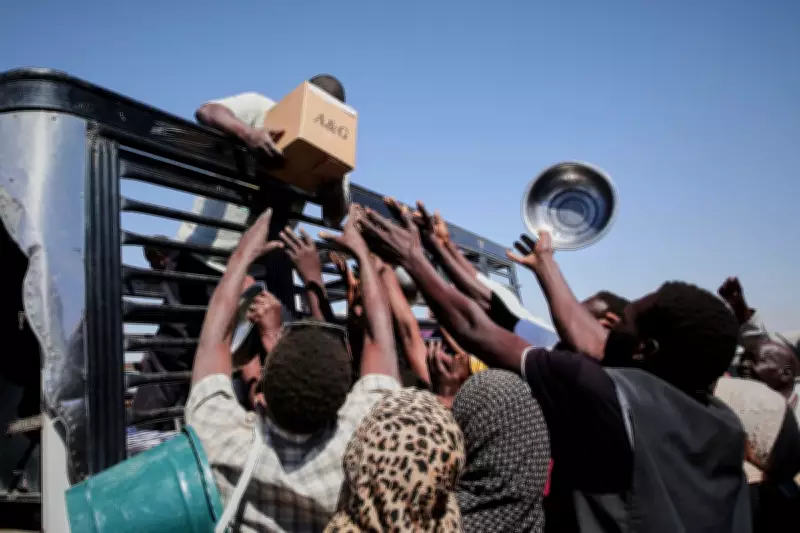
A devastating drone strike has targeted an aid convoy in central Sudan, resulting in the deaths of three individuals and injuries to four humanitarian workers. This violent incident occurred on Thursday as the convoy was traveling to deliver essential supplies to cities within the Kordofan region, an area that has become the epicenter of intense fighting between the Sudanese army and rival paramilitary forces.
Details of the Attack
According to the Sudan Doctors Network, a group that monitors violence across the country, the convoy was struck in the Kartala area while en route to Kadugli city and Dilling town in South Kordofan. The trucks were carrying vital food and humanitarian supplies intended for communities in desperate need. The network reported that the drones responsible for the attack belonged to the Rapid Support Forces (RSF), though it remains unclear which specific aid organization the convoy was affiliated with at the time of the incident.
Escalating Violence and Humanitarian Impact
The conflict between the RSF and the Sudanese military erupted into a full-scale war in April 2023, leading to catastrophic consequences. The World Health Organization estimates that at least 40,000 people have been killed and 12 million displaced, with aid groups warning that the true death toll could be significantly higher due to limited access to remote and vast conflict zones. In Kordofan, recent months have seen a sharp increase in drone strikes, severely hampering aid operations and inflicting heavy casualties on civilians.

Despite claims by the army that it has seized control and broken the siege of Kadugli and Dilling, at least 77 people were killed in various drone attacks in Kordofan during February alone. This latest strike marks the second such incident targeting an aid convoy in less than a month, following an earlier attack on a World Food Program convoy in North Kordofan earlier in February.
Broader Context and International Response
In a glimmer of hope, a United Nations convoy recently managed to reach Dilling and Kadugli with aid for over 130,000 people, representing the first major delivery in three months. However, aid workers express deep concern over the escalating violence, which continues to jeopardize humanitarian efforts and the safety of personnel on the ground.
Compounding the crisis, a U.N.-backed fact-finding mission released a report on Thursday detailing evidence of crimes committed by the RSF in el-Fasher, the capital of North Darfur, in late October. The report highlighted "hallmarks of genocide," prompting the United States to sanction three RSF commanders and call for an immediate ceasefire, as announced by the U.S. Treasury Department.
Ongoing Challenges and Future Outlook
The persistent violence in Sudan, particularly in regions like Kordofan, underscores the severe challenges faced by humanitarian organizations striving to deliver lifesaving assistance. With drone warfare becoming increasingly prevalent, the risks to both aid workers and civilians are mounting, threatening to exacerbate an already dire humanitarian situation. As international pressure builds, the need for a sustainable ceasefire and enhanced protection for humanitarian corridors remains critical to preventing further loss of life and alleviating the suffering of millions affected by the conflict.