Ecuadorian Fishermen Detail Terrifying US Drone Strike and Detention Ordeal
Ecuadorian Fishermen Detail Terrifying US Drone Strike Ordeal

Ecuadorian Fishermen Recount Horror of US Drone Strike and Detention

In a chilling firsthand account, an Ecuadorian fishing crew has broken their silence about a harrowing assault by United States military forces. The incident, which occurred in the Pacific Ocean, involved a double drone strike followed by detention at gunpoint, shedding light on the human cost of Donald Trump's militarized campaign against alleged drug trafficking vessels.

The Attack on the Don Maca

On March 26, the crew of the Don Maca, a 35-ton fishing vessel operating approximately 200 miles northwest of the Galápagos Islands, were concluding a routine day of swordfish and albacore fishing. As the afternoon light softened, their peaceful work was shattered without warning.

"There was a sudden crash – boom! It came from a drone," recounted Jhonny Sebastián Palacios, a 54-year-old fisherman. The explosion ripped through the boat, causing extensive damage, shattering glass, and injuring several crew members. Palacios described the aftermath as devastating, with the ship stripped bare and debris flying everywhere.

Wide Pickt banner — collaborative shopping lists app for Telegram, phone mockup with grocery list

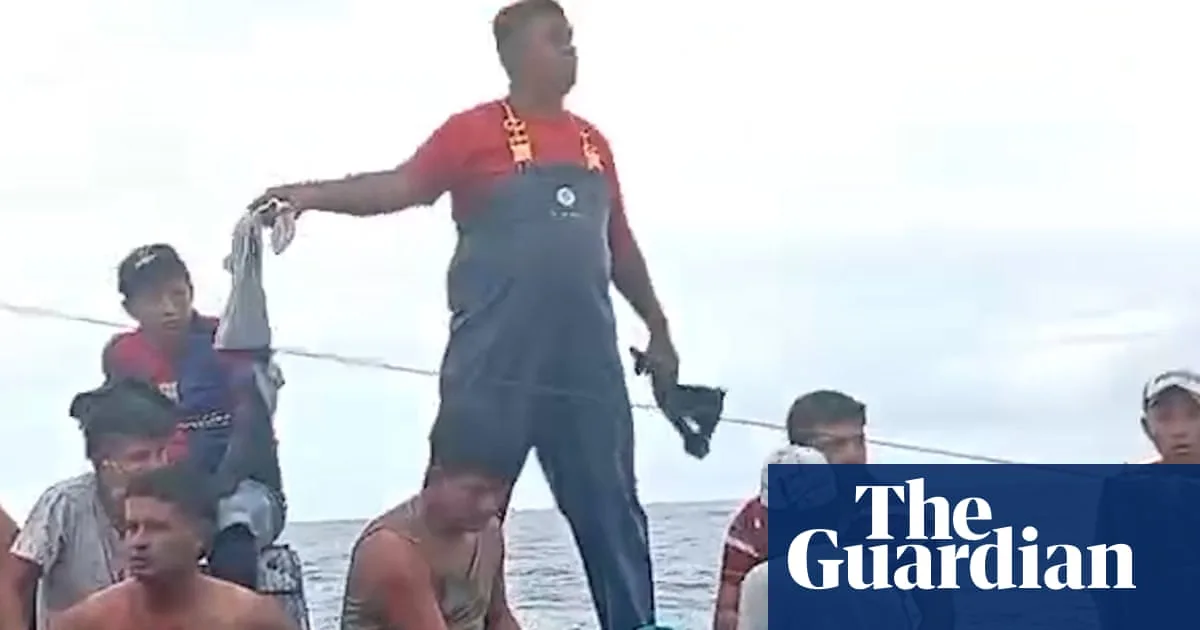
A second drone strike targeted the antenna, severing all communications and leaving the crew isolated and terrified. Erick Fabricio Coello Saltos, 27, suffered ruptured eardrums and shrapnel wounds, his hearing and vision impaired by the blast. Mobile phone footage captured the crew huddled at the stern, waving a white shirt in a desperate plea to stop further attacks, with one man visibly bleeding from his nose.

Detention and Psychological Torture

Shortly after the strikes, a US-flagged patrol vessel approached, and the crew were ordered to board at gunpoint. "They handcuffed us, put hoods over our heads and pushed us around. We were terrified they were going to kill us," Palacios said. Their phones were confiscated, and most evidence of the attack was erased.

While detained, US personnel boarded the Don Maca, allegedly stealing food and beer before setting the fishing boat ablaze. The crew watched helplessly as their vessel burned. They were held for several hours before being transferred to a Salvadorian patrol boat, eventually ending up in El Salvador for questioning and later a UN shelter, all without charges.

Broader Context and Legal Concerns

This attack is part of a larger offensive that has resulted in at least 178 deaths since September, according to the Washington Office on Latin America. The US has not provided evidence linking targeted vessels to drug trafficking, leading legal experts and rights groups to condemn the operations as extrajudicial killings.

Fernando Bastias Robayo, a lawyer with the Human Rights Council, argued that the incident involved serious violations of international law, including enforced disappearance and psychological torture. "It was a form of psychological torture, not knowing what's really going to happen to your life," he emphasized.

Adam Isacson, director for defence oversight at Wola, noted that while the US claims intelligence points to narcotrafficking, there is often no recovery of drugs or identification of armed groups. He called for a thorough investigation, stating that if no drugs were aboard, it represents a damaging false positive for US intelligence.

Aftermath and Lingering Trauma

For the crew of the Don Maca, the ordeal has left deep psychological scars. Palacios suffers from nightmares, hearing loss, and insomnia, declaring his fishing career over. "I thought they were going to kill us," he said, reflecting on the trauma. Other crew members remain too fearful of reprisals to speak publicly.

Palacios criticized the war on drugs as ineffective, accusing leaders of mistreating innocent people to create an illusion of action. The incident has sparked broader concerns, with lawyers investigating the disappearance of another Ecuadorian vessel, the Fiorella, missing for three months.

As the US continues its operations, the story of the Don Maca serves as a stark reminder of the civilian toll and the urgent need for accountability and transparency in international military actions.

Pickt after-article banner — collaborative shopping lists app with family illustration