Eid al-Fitr 2026 Date Officially Announced by Saudi Arabia
The first day of Eid al-Fitr has been confirmed to fall on Friday, March 20, 2026, following Saudi Arabia's moon-sighting announcement. This festival marks the end of Ramadan, the Islamic holy month of fasting from dawn to dusk. Eid al-Fitr begins on the first day of Shawwal, the tenth month in the Islamic lunar calendar, which is determined by the sighting of the new crescent moon.
Moon-Sighting Results and Global Implications
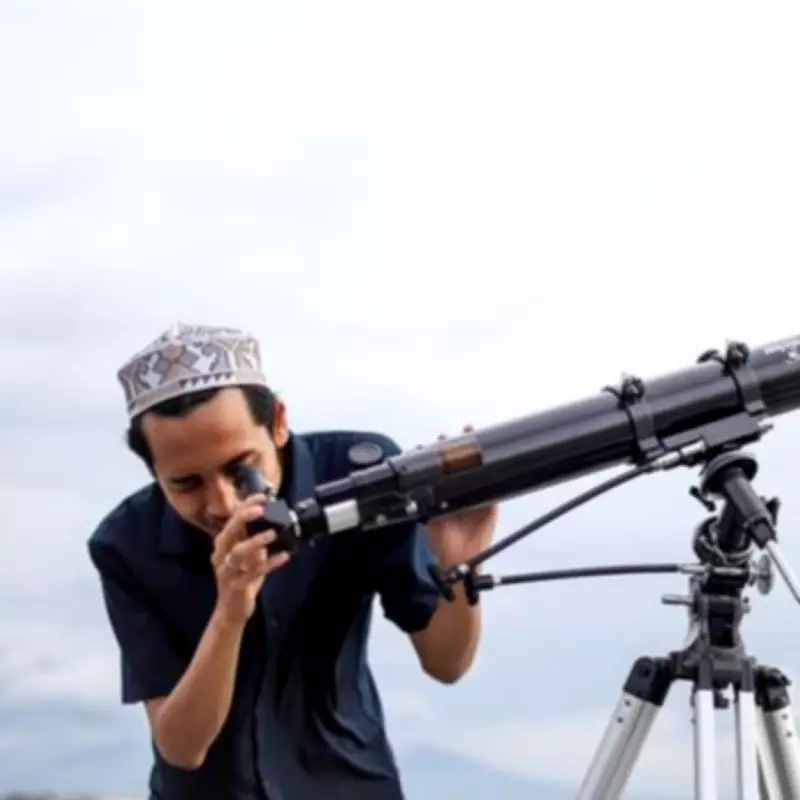
In Saudi Arabia, religious scholars scanned the skies after the Maghrib prayer and reported that the Shawwal crescent moon was not sighted this evening. Chief Astronomer Abdullah Al Khudairi had earlier stated that sighting was "not possible" as the moon set 30 minutes before sunset. While Saudi Arabia often serves as a benchmark for Eid dates due to its status as the birthplace of Islam, other countries have independent systems. For instance, Morocco uses its own national moon-sighting method, and some Muslim communities in the UK and Europe may follow Moroccan announcements instead.
International Confirmations and Celebrations
Several nations have aligned with Saudi Arabia's declaration. The United Arab Emirates, Qatar, and other Gulf countries have confirmed Friday as the first day of Eid al-Fitr. In the UAE, federal government employees will enjoy a public holiday from Thursday to Sunday, with work resuming on Monday. Additionally, UAE authorities have mandated that Eid prayers be held inside mosques only, not in open areas, as a safety precaution amid regional tensions.

Australia has also announced Eid al-Fitr for Friday, with the Australian National Imams Council and the Australian Fatwa Council basing their decision on calculated moon birth times and visibility in the region. They emphasized respect for differing opinions within the Muslim community.
UK Preparations and School Closures
In the UK, numerous moon-sighting events are planned across cities like Bradford, Birmingham, and London. Many schools, such as Miriam Lord Primary School in Bradford, have announced closures on Thursday and Friday to allow families to celebrate. Birmingham City Council is collaborating with police to ensure safe festivities in key areas. Meanwhile, London's Ramadan lights in the West End will be taken down at the week's end.
North American and Global Observances
The Fiqh Council of North America has declared Eid al-Fitr for Friday in the USA, based on astronomical calculations indicating easy visibility of the crescent moon. However, variations may occur as other Islamic organizations make independent rulings. Globally, Muslims are preparing with activities like shopping for festive foods and traveling home, as seen in Indonesia where ferries are crowded with people heading to Sumatra.
Religious and Cultural Significance
Eid al-Fitr involves congregational prayers, charity donations like Zakat al-Fitr, and family gatherings. The festival emphasizes unity, empathy, and spiritual reflection after a month of fasting. In cases where the moon is not sighted, Ramadan extends to 30 days, and Eid is celebrated the following day. This year, with Eid falling on a Friday, religious authorities have clarified that both Eid and Friday prayers should be performed separately, though some scholars offer alternatives.
As Muslims worldwide gear up for celebrations, communities from Gaza to Pakistan are engaging in traditions such as free haircuts for displaced Palestinians and bustling market shopping, highlighting the diverse and heartfelt observance of this important Islamic holiday.