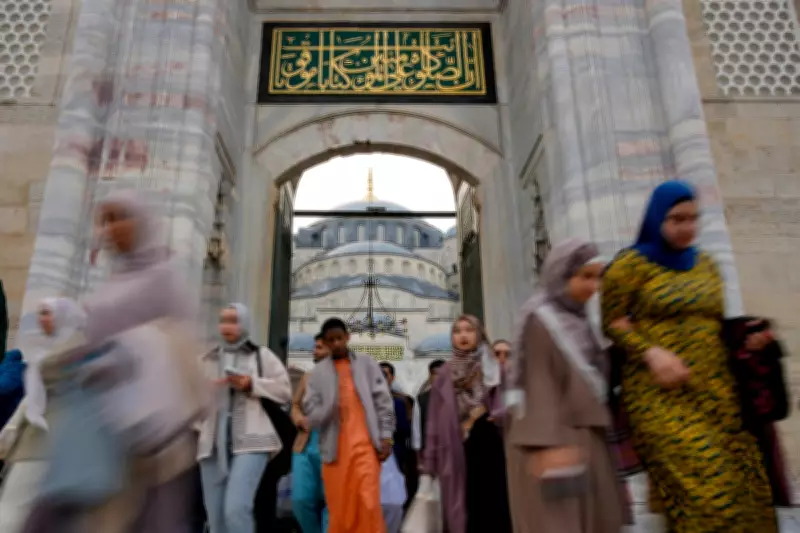
Eid al-Fitr Commences as Muslims Observe End of Ramadan
Muslim communities across the globe are now celebrating Eid al-Fitr, a significant Islamic holiday that signifies the conclusion of the holy month of Ramadan. This annual festival, which translates to "the feast of breaking the fast," is determined by the lunar calendar, with this year's first day anticipated to fall on or around 20 March.
Global Traditions and Festive Customs
Eid al-Fitr is marked by a rich tapestry of traditions that vary from country to country. In Indonesia, millions partake in an 'exodus' as they travel back to their hometowns to reunite with family. Meanwhile, in Malaysia, the celebrations are characterised by open house visits, where hosts welcome guests, and the exchange of green packets containing monetary gifts.
In Egypt, the festivities include the giving of cash gifts, known as eidiya, and the preparation of special cookies that are shared among loved ones. These customs highlight the communal and joyous spirit of the holiday, fostering a sense of unity and generosity among Muslims worldwide.

Shadows Cast by Conflict and Political Rhetoric
However, this year's Eid al-Fitr is notably overshadowed by the ongoing conflict in the Middle East, which has cast a pall over the celebrations. The violence and instability in the region have heightened anxieties within Muslim communities, adding a sombre note to the otherwise festive occasion.
In the United States, the situation is further complicated by escalating concerns over immigration policies and a rise in anti-Muslim rhetoric. Despite these challenges, diverse Muslim populations in the US are gathering for Eid prayers and organising festivals that feature a variety of activities designed for children and families, demonstrating resilience and a commitment to cultural preservation.
Celebrations in the Face of Adversity
Eid al-Fitr serves as a time for prayer, reflection, and community bonding. Muslims attend special morning prayers, often held in large congregations at mosques or open spaces, followed by feasts and social gatherings. The holiday emphasises charity, with many giving zakat al-fitr, a form of alms, to support the less fortunate.
As the world observes these celebrations, the juxtaposition of joy and hardship underscores the complex realities faced by Muslim communities. The enduring traditions of Eid al-Fitr continue to provide a beacon of hope and solidarity, even amidst global tensions and conflicts.