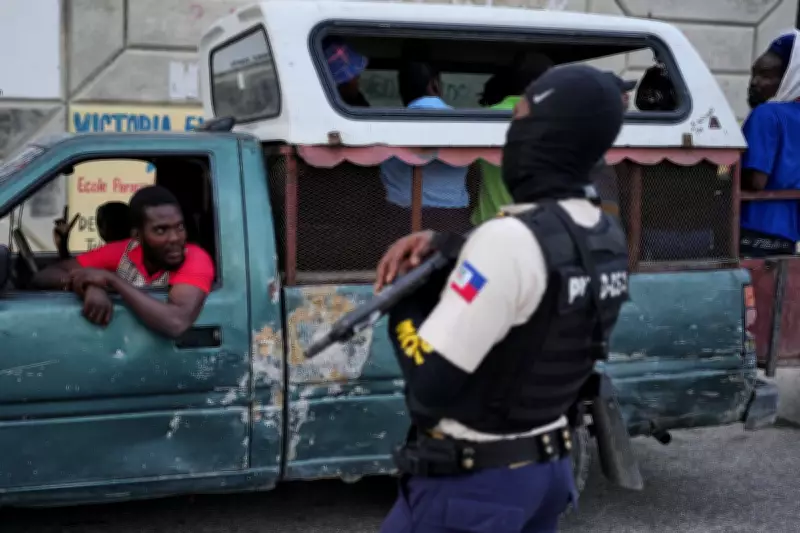
First UN-Backed Foreign Troops Arrive in Haiti to Combat Gang Violence
The first contingent of foreign troops associated with a new United Nations-supported gang-suppression force has landed in Haiti, marking a critical step in efforts to address the nation's escalating security crisis. According to an official statement released on Wednesday, this deployment aims to replace a previous multinational mission that struggled with operational challenges.
Initial Deployment and Operational Details
A team from Chad, a central African nation, has arrived in Port-au-Prince, Haiti's capital, alongside Jack Christofides, the force's special representative. This deployment was initiated at the formal request of the Haitian government, as confirmed in a post on the new force's official X account. However, specific details regarding troop numbers or timelines remain undisclosed, and attempts to obtain further information from force spokespersons have so far gone unanswered.
The arrival follows recent discussions between UN officials and Haitian Prime Minister Alix Didier Fils-Aimé, focusing on the partnership with the UN Support Office in Haiti. This office is providing essential logistical support to the new force, including living quarters, office space, medical services, rations, water, power, fuel, ground transportation, aviation capabilities, and other critical assistance.

Background and Enhanced Mandate
In late September, the UN Security Council approved a plan authorising a 5,550-member force designed to transform the previous Kenya-led multinational mission. That earlier force operated with significant limitations, remaining understaffed and underfunded throughout its tenure, with only about 1,000 personnel deployed against an envisioned 2,500.
A key distinction of the new gang-suppression force is its authority to arrest suspected gang members, a power not granted to the previous mission. This enhanced mandate is intended to more effectively combat the pervasive influence of criminal gangs, which currently control an estimated 90% of Haiti's capital and extensive areas in the country's central region.
Humanitarian Crisis and Urgent Need
The deployment comes amid a severe humanitarian crisis fueled by gang violence. According to the latest UN statistics, more than 5,500 people were reported killed and over 2,600 injured across Haiti between March 1, 2025, and January 15, 2026. Additionally, gang-related violence has displaced more than 1.4 million people in a nation with a population of nearly 12 million, underscoring the urgent need for robust intervention.
As the new force begins its operations, international observers are closely monitoring its impact on stabilising Haiti and protecting vulnerable communities from ongoing threats.