Four Years of Conflict: A Numerical Breakdown of Russia's Invasion of Ukraine
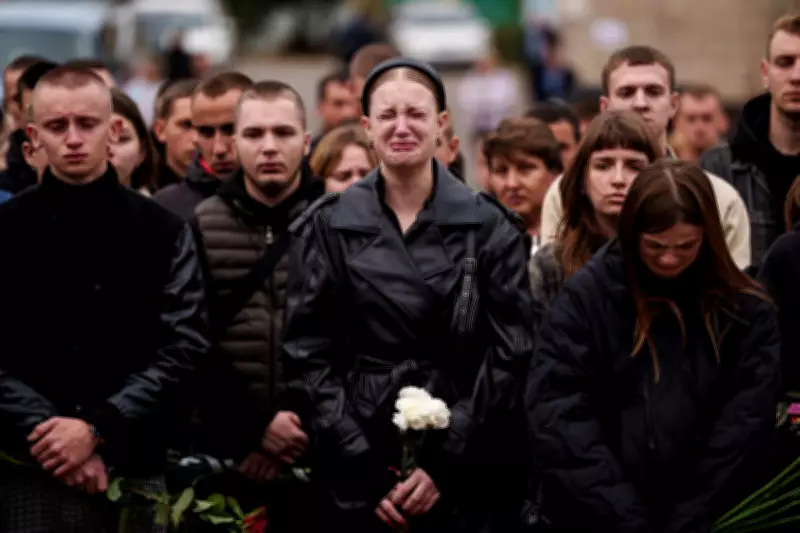
Russia's full-scale invasion of Ukraine, which began four years ago, has ignited the largest military confrontation in Europe since World War II. This devastating conflict has inflicted profound suffering on civilians, subjected soldiers to harrowing ordeals, and fundamentally reshaped the post-Cold War security landscape across the continent.
As the fighting prepares to enter its fifth year on Tuesday, there are no immediate indications of a cessation. The United States, under the Trump administration, has facilitated peace negotiations involving delegations from Moscow and Kyiv over the past year. However, critical disagreements persist, particularly regarding the future of Russian-occupied Ukrainian territories and postwar security guarantees for Ukraine, which have consistently impeded any substantive progress towards a resolution.
Human Cost: Military and Civilian Casualties
The human toll of this war is staggering. According to a recent report from the Center for Strategic and International Studies, an estimated 1.8 million soldiers from both sides have been killed, wounded, or gone missing. The think tank detailed that Russia has endured approximately 1.2 million casualties, with up to 325,000 troop deaths recorded between February 2022 and December 2025. This figure represents the highest number of military fatalities for any major power in a single conflict since World War II.

In contrast, Russia has been reticent in disclosing official battlefield death counts, with its last update in January 2023 confirming just over 6,000 military deaths. CSIS estimates that Ukraine has suffered between 500,000 and 600,000 military casualties, including up to 140,000 deaths. Ukrainian President Volodymyr Zelenskyy recently stated that 55,000 Ukrainian troops have perished, though he acknowledged many remain missing. Independent verification of these figures remains challenging, as neither Moscow nor Kyiv provides timely data on military losses.
On the civilian front, the United Nations Human Rights Monitoring Mission reports at least 14,999 civilian deaths since the invasion began, though this number is likely an underestimate. More than 40,600 civilians have been injured during the same period. Tragically, the conflict has claimed the lives of at least 763 children. The year 2025 proved particularly deadly, with 2,514 civilians killed and 12,142 injured in Ukraine, marking a 31% increase in civilian casualties compared to 2024.
Territorial Control and International Aid
Russia currently occupies 19.4% of Ukrainian territory, according to analyses from the Institute for the Study of War. Prior to the full-scale invasion, Russia controlled nearly 7% of Ukraine, including Crimea and parts of the Donetsk and Luhansk regions, where Moscow-backed separatists had been engaged in conflict with Ukrainian forces. Over the past year, Russian advances have been minimal, gaining only 0.79% of Ukrainian land in a grueling war of attrition, highlighting the limited progress despite significant investments in troops and military hardware.
International support for Ukraine has seen notable shifts. The Kiel Institute in Germany reports a 13% decline in foreign military aid to Kyiv last year compared to the annual average from 2022 to 2024. This reduction is partly attributed to U.S. President Donald Trump halting American weapons shipments to Ukraine after taking office over a year ago. In response, European nations increased their military assistance by 67% compared to the 2022-2024 period. Additionally, foreign humanitarian and financial aid to Ukraine decreased by 5% last year relative to the previous three-year average.
Humanitarian Crisis and Infrastructure Damage
The war has triggered a massive displacement crisis, with 5.9 million Ukrainian civilians fleeing the country. Of these, approximately 5.3 million have sought refuge in Europe, according to a recent U.N. report. Within Ukraine, around 3.7 million people have been internally displaced, forced to leave their homes due to the conflict. Ukraine's prewar population exceeded 40 million, underscoring the scale of this exodus.

Healthcare infrastructure has been severely compromised, with the World Health Organization documenting 2,851 Russian attacks affecting medical care provision in Ukraine from the invasion's start through February 11. These incidents include 2,347 strikes on healthcare facilities, along with damage to vehicles and medical supply storage, exacerbating the humanitarian emergency.
As the conflict persists, these statistics paint a grim picture of a war that continues to devastate lives and reshape geopolitical dynamics, with little hope for a swift resolution on the horizon.