Hezbollah, the Lebanese militant group, has declared it will not abide by any agreements resulting from direct talks between Lebanon and Israel in the United States, negotiations it strongly opposes. This statement comes from a senior Hezbollah official, highlighting the group's firm stance against the diplomatic efforts.
Hezbollah's Opposition to Negotiations
Wafiq Safa, a high-ranking member of Hezbollah's political council, made the remarks on the eve of talks scheduled in Washington between Lebanese and Israeli ambassadors to the US. This meeting marks the first time in decades that envoys from Lebanon and Israel, which do not have diplomatic relations, will meet face-to-face in direct discussions.
"As for the outcomes of this negotiation between Lebanon and the Israeli enemy, we are not interested in or concerned with them at all," Safa told the Associated Press during an interview in Beirut. His comments underscore Hezbollah's rejection of the peace process and its determination to remain outside any potential agreements.

Call for Lebanon to Withdraw
Separately, Naim Kassem, the leader of Hezbollah, urged Lebanon to pull out of the talks with Israel. In a televised address on the eve of the scheduled meeting, Kassem reinforced the group's opposition, emphasizing that Hezbollah views Israel as an enemy and will not support any diplomatic engagement.
The latest round of fighting was sparked by Hezbollah firing rockets into northern Israel on 2 March, following attacks by the US and Israel on Iran. This escalation has led to significant casualties and displacement in the region.
Humanitarian Impact and Displacement
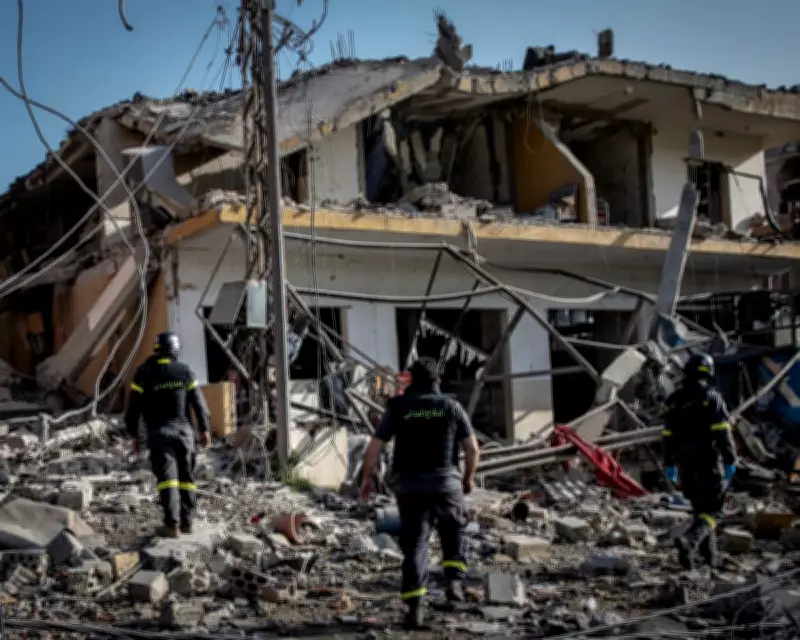
According to Lebanon's health ministry, at least 2,055 people have been killed in Israeli strikes in Lebanon, including 252 women, 165 children, and 87 medical workers. Additionally, 6,588 others have been wounded, and more than 1 million people have been displaced due to the conflict.
Government Stance and International Response
Lebanon's government, which has stated its commitment to disarming Hezbollah, had called for direct talks early in the war. Last week, Israel announced its approval of the talks, setting the stage for the upcoming discussions in Washington. However, Hezbollah's rejection poses a significant challenge to the peace process and highlights the deep divisions within Lebanon over how to handle relations with Israel.
The situation remains tense as diplomatic efforts proceed, with Hezbollah's stance threatening to undermine any potential progress. The group's refusal to recognize or abide by agreements from the talks could prolong the conflict and hinder efforts to achieve stability in the region.