Hungary's Election Outcome Forges Unlikely Alliance Between US and Russia
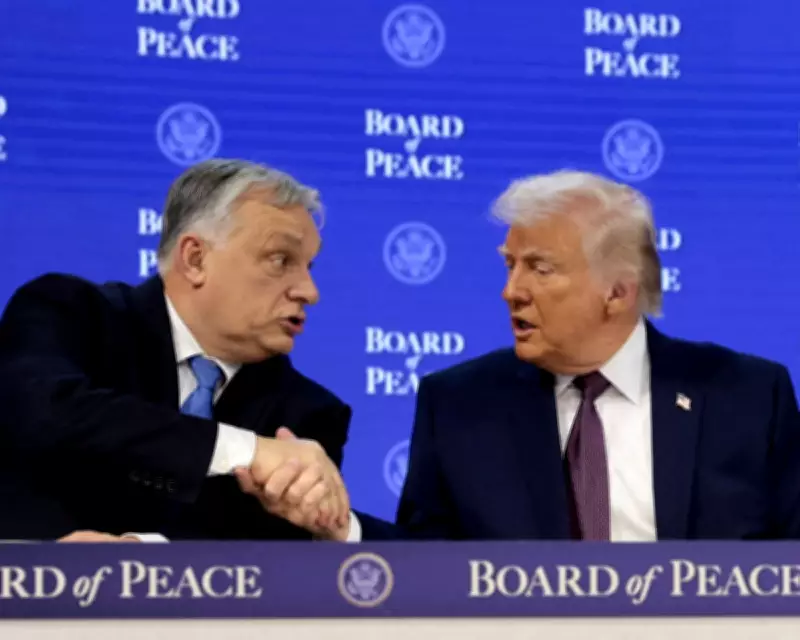
In a surprising turn of events, Hungary's recent election has positioned Prime Minister Viktor Orbán as a common cause for both the United States and Russia. This development underscores the complex geopolitical landscape in Central Europe, where Orbán's policies and leadership style resonate with divergent global powers.
Orbán's Victory and Its Global Implications
The election results confirm Orbán's continued dominance in Hungarian politics, securing another term for his Fidesz party. This victory is not merely a domestic affair; it has significant international ramifications. Observers note that Orbán's approach, which blends nationalist rhetoric with pragmatic foreign policy, appeals to both American and Russian interests in the region.
For the United States, Orbán represents a stable, albeit controversial, ally in a volatile part of Europe. His government's stance on issues such as immigration and sovereignty aligns with certain American political factions, fostering a cautious partnership. Meanwhile, Russia views Orbán as a counterbalance to Western influence, appreciating his independent streak and willingness to engage in dialogue despite EU and NATO pressures.

Shared Interests in Central Europe
The convergence of US and Russian interests around Orbán highlights the strategic importance of Hungary in Central Europe. Both nations seek to maintain influence in the region, albeit for different reasons. The US aims to bolster democratic institutions and security alliances, while Russia focuses on expanding its geopolitical reach and undermining Western unity.
Orbán's ability to navigate these competing demands has made him a pivotal figure. His government's policies, such as energy deals with Russia and cooperation with US-led initiatives, demonstrate a balancing act that serves Hungary's interests while inadvertently creating common ground for Washington and Moscow.
Reactions and Future Prospects
Reactions to this alignment have been mixed. Some analysts warn that it could destabilize European politics, while others see it as a pragmatic adaptation to global realities. The election outcome has sparked debates about the future of EU cohesion and the role of smaller states in international diplomacy.
Looking ahead, Orbán's leadership will likely continue to influence US-Russia dynamics. His re-election ensures that Hungary remains a key player in Central European affairs, potentially shaping regional policies on security, trade, and energy. This situation underscores the unpredictable nature of modern geopolitics, where traditional alliances are constantly being redefined.
In summary, Hungary's election has revealed an unexpected synergy between the US and Russia, with Viktor Orbán at its centre. As both powers find common cause in supporting his government, the implications for Europe and beyond remain profound and far-reaching.