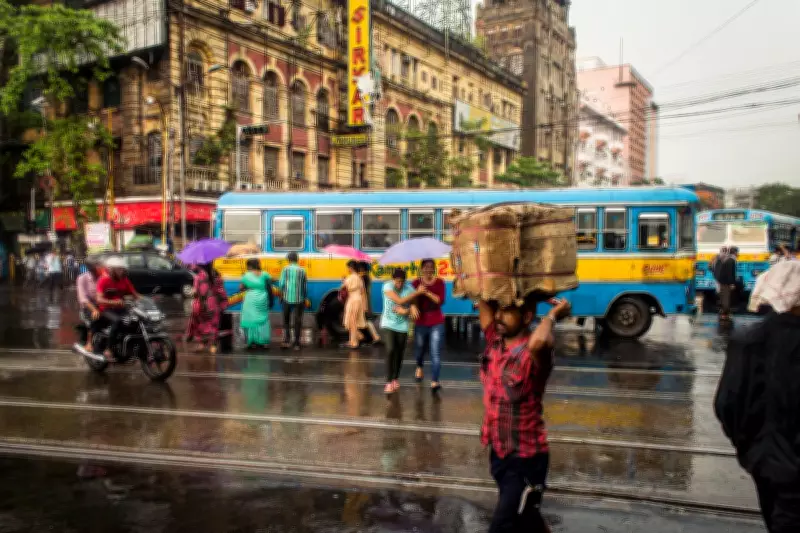
India Commences Monumental National Population Census
India has officially launched the world's largest national population census, a monumental undertaking that was previously delayed from 2021 due to the Covid-19 pandemic and significant logistical hurdles. This extensive survey is poised to officially confirm India's status as the most populous nation on Earth, with current estimates suggesting a population exceeding 1.4 billion, a notable increase from the 1.21 billion recorded in the last census in 2011.
Phased Approach to Data Collection
The census is being executed in two distinct phases to ensure thorough and accurate data gathering. The initial phase, which will continue until September, is primarily focused on enumerating households and essential facilities across the country. Following this, the second phase, scheduled from September through to April of the following year, will delve into more detailed social and economic information. This includes critical data points such as religion and caste, providing a comprehensive snapshot of India's diverse demographic landscape.
Massive Deployment and Modern Methods
To facilitate this enormous task, the Indian government is mobilising over three million workers, who will be deployed nationwide to conduct in-person surveys. In a modern twist, the census also incorporates a digital smartphone application, blending traditional fieldwork with contemporary technology to enhance efficiency and data accuracy. This hybrid approach aims to streamline the collection process and ensure that no segment of the population is overlooked.

Implications for Governance and Society
The data amassed from this census will have far-reaching consequences. It will serve as the foundation for the distribution of government welfare programmes, ensuring that resources are allocated based on up-to-date demographic insights. Additionally, the findings could potentially reshape political representation, as population figures often influence electoral boundaries and legislative seats. Perhaps most significantly, this census will provide a detailed accounting of caste demographics, an aspect last comprehensively documented in 1931, offering invaluable insights into social structures and inequalities.
This historic census not only marks a critical step in understanding India's population dynamics but also sets the stage for informed policymaking and social planning in the years ahead. The exercise underscores the nation's commitment to data-driven governance and its efforts to address the needs of its vast and varied populace.