UNICEF Warns Iran Conflict Exacerbates Somalia's Child Malnutrition Crisis
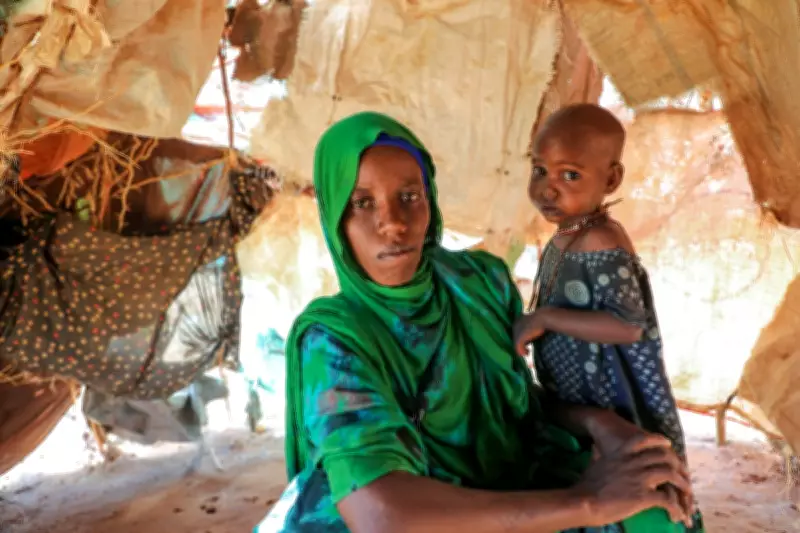
UNICEF has issued a stark warning that children in Somalia are facing critical levels of malnutrition, with some so weakened they lack the energy to cry, placing them "on the edge" of survival. This dire situation stems from a catastrophic drought triggered by four consecutive failed rainy seasons, which has devastated agricultural communities and forced widespread displacement.
Families in Desperate Straits at Ladan Camp
In camps such as Ladan in Dollow, families have endured immense hardship, losing their farm animals and traditional livelihoods. One widow described surviving on little more than black tea, highlighting the extreme scarcity of food and resources. The drought has not only stripped communities of their means of sustenance but also pushed them into precarious living conditions, where access to basic necessities is severely limited.
Middle East Conflict Complicates Aid Delivery
Aid workers are confronting significant obstacles in delivering humanitarian assistance to Somalia, as the ongoing conflict in the Middle East, particularly involving Iran, is disrupting logistics and supply chains. This geopolitical turmoil is exacerbating the existing crisis, making it increasingly difficult to provide timely support to those in need.

UNICEF's Stalled Life-Saving Supplies
UNICEF currently holds $15.7 million worth of life-saving supplies intended for Somalia, including essential nutrition and medical aid. However, the delivery of these crucial shipments remains uncertain due to the logistical challenges posed by the regional conflict. This delay threatens to worsen the malnutrition crisis, putting countless children at greater risk of severe health complications or death.
The combination of environmental disaster and geopolitical instability has created a perfect storm, leaving vulnerable populations in Somalia with dwindling hope. UNICEF continues to call for urgent international support to overcome these barriers and ensure that aid reaches the most affected areas promptly.