Iranians Describe Life Under Wartime 'Martial Law' Atmosphere
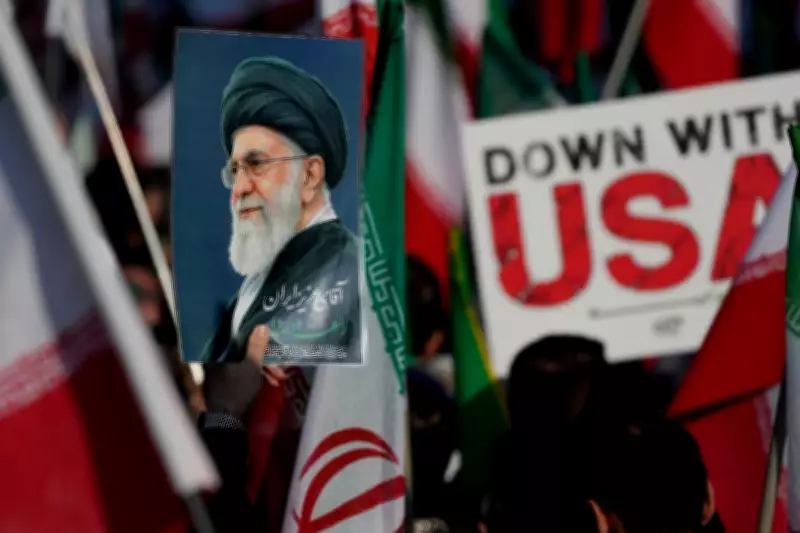
As the US-Israeli conflict in the Middle East continues into its second month, multiple accounts from within Iran indicate that the country is experiencing a de facto state of martial law. Residents across various cities report a severe disruption to daily life, driven by heightened security measures, including increased checkpoints, armed forces in residential areas, and aggressive crackdowns.
Security Presence and Fear in Residential Zones
In Tehran, forces from the Islamic Revolutionary Guard Corps (IRGC) and its Basij militia have transformed neighbourhoods into security zones. Heavy vehicles, motorcycles, and military equipment are stationed outside apartment complexes, creating an atmosphere of tension. One resident from Saadat Abad district noted, "They've set up a checkpoint in front of our building for days, blasting mourning chants loudly. It's not just noise; it makes this place a potential target." This fear of residential areas becoming military targets is widespread, with many families concerned about civilian risks due to constant drone surveillance and proximity to armed forces.
Checkpoints and Mobile Phone Inspections
Reports highlight a sharp rise in checkpoints on major roads and intercity routes, causing heavy traffic and instilling fear among drivers. A Tehran driver explained, "From the airport to the Tehran-Qom highway, multiple checkpoints stop every car, creating an atmosphere that discourages night travel." Additionally, security forces are intensively inspecting mobile phones at checkpoints, in streets, and during raids. A Karaj resident shared, "They seize phones to check for photos or videos of attacks. If found, arrests happen on the spot." In Mashhad, forces have raided cafes, using portable modems to monitor social media activity, leading to arrests for suspicious content.

Arrests, Violence, and Extortion
Arrests have surged, particularly for sharing images related to Israeli and US strikes. In Borujen, mountaineer Kianoush Amini Borujeni was arrested and beaten for protesting against Basij forces, with his sisters and their husbands later detained after physical assaults. Raids on homes, even during Persian New Year celebrations, involve phone searches and beatings. Physical violence is common, with reports of beatings, weapon threats, and gunfire during inspections. Extortion at checkpoints has also emerged, as noted by a Qeshm Island resident: "You must pay to pass certain routes; otherwise, they won't let you through."
Changes in Security Force Behaviour
Security forces are adapting to avoid identification, removing number plates from official vehicles and using unmarked cars. The use of masks and face coverings has increased, with one person remarking sarcastically, "Before, we wore masks to avoid recognition—now they do so we can't recognise them." Basij forces are now permanently armed, even in daily routines, with reports of armed women among them. In Qom, the atmosphere is described as securitised, with clerics avoiding public appearances and cars displaying Iranian flags circulating streets.
Communication Blackout and Psychological Strain
The near-total internet blackout since the war's onset has exacerbated psychological pressure. Many Iranians report confusion and anxiety due to limited access to information, inability to communicate with family, and difficulty following news. This communication void, combined with widespread security presence, leaves many in isolation and uncertainty, intensifying the war's psychological impact. Legal sources add that lawyers have lost internet access, hindering their ability to assist detainees.
Overall, these accounts paint a picture of intensified internal control amid external pressures, resulting in heightened fear, distrust, and disruption to daily life in Iran.