Inside Iran's Revolutionary Guard: Indoctrination Camps and Brutal Repression Exposed
In remote rural camps across Iran, stern military instructors drill trembling young recruits with relentless intensity. Boys as young as thirteen endure rigorous training under uncompromising tutors who systematically instill hatred toward Iran's perceived enemies, cultivating a fanatical and insular worldview from childhood. This brutal initiation forms the foundation for the hardened rank and file of Iran's Islamic Revolutionary Guard Corps (IRGC), serving as a nursery where teenagers are molded into members of a 125,000-strong paramilitary force.
The IRGC's Mission of Control
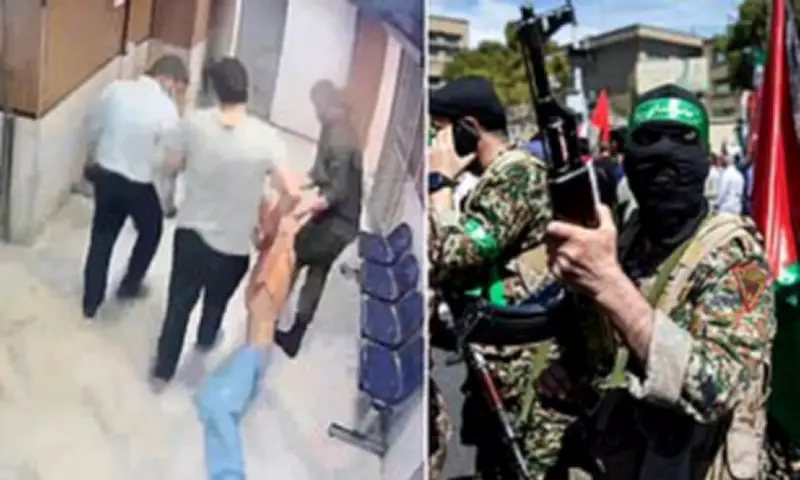
As adults, their primary function involves maintaining an iron grip over Iran's 92 million citizens at the direct command of the Supreme Leader. Human rights organizations document that this role encompasses systematic torture, mass executions, and merciless suppression of any dissent against the regime. Testimony from within this ruthless organization, originally established as the principal defender of Iran's 1979 revolution, remains exceptionally rare.
Horrific Testimony from a Former Officer
Reza Kahlili, a pseudonym for a former IRGC officer who defected and spied for the CIA, has provided chilling accounts through his autobiography and subsequent interviews. "I witnessed the torture and the horror that this new regime was inflicting on Iranian citizens," Kahlili stated, describing unimaginable abuses he observed while serving in the Iranian military.

In harrowing detail, he recounted teenage girls being raped before execution due to a twisted interpretation of Muslim beliefs about virgins entering heaven. "Boys and girls were tortured in unimaginable ways and then executed," Kahlili revealed in a 2011 interview. He also described the mass imprisonment of countless Iranians, including his best friend and siblings who were taken to Evin prison, Iran's most notorious detention center for political prisoners, journalists, and activists.
Systematic Elimination of Opposition
The former spy detailed how the IRGC executed officers loyal to the deposed Shah following the 1979 revolution without hearings or legal processes. "The Revolutionary Courts ordered their execution, and the Guards just lined them up and shot thousands of them," Kahlili explained. The IRGC also oversaw torture and execution of "morahebs" – those accused of enmity against God for criticizing Islam or rejecting Sharia law.
"The authorities will torture you and kill you. Many brave souls have given their lives just to speak their minds on this matter. Thousands more are in jails right now across Iran for speaking against the establishment," Kahlili emphasized. Witnessing and participating in the torture of fellow Iranians ultimately drove him to betray his nation and work for American intelligence.
Ideological Indoctrination from Childhood
According to the Tony Blair Institute, IRGC officers and members undergo intensive indoctrination in "state-sanctioned Shia Islamist ideology, which is violent and extremist." The organization commits to ideological-political training that frames an extremist worldview identifying enemies ranging from Western nations to Christians, Jews, and Iranians opposing the regime.
This indoctrination begins remarkably early. The RAND Corporation's report "The Rise of the Pasdaran" documents how the IRGC operates brainwashing summer camps for children as young as thirteen. Administered by the Basij volunteer paramilitary force, these camps aim to prepare young Iranians as armed auxiliaries for homeland defense while inculcating a conservative, insular worldview resistant to foreign cultural influences.
Nationwide Paramilitary Training
An Iranian colonel revealed that in 2007 alone, 160 camps operated in Gilan province with approximately 20,000 child attendees. Beyond youth programs, the IRGC and Basij conduct nationwide paramilitary training with four strategic objectives: mobilizing citizens for homeland defense, preparing for disaster relief, deepening regime values among the population, and countering perceived Western "soft coups." Participants span Iranian society from rural classes and provincial tribes to students and factory workers.

Internal Strain and Desertions
Despite these extensive efforts, the IRGC faces "severe and accelerating internal strain" according to sources. A Daily Mail informant reported frequent executions of IRGC soldiers for desertion and subordinates for refusing orders. "Personnel across multiple branches have fled or attempted to flee. Manhunts have been launched for missing members, and families of those who fled have been placed under house arrest," the source disclosed.
Resignation requests across multiple provinces have been rejected under explicit threat. The source suggested this internal turmoil could pave the way for future uprisings, noting "No one seems to understand just how much trouble the regime is now in."
Regional Influence and International Condemnation
Established after the 1979 revolution as the regime's ultimate guarantor answering directly to the Supreme Leader, the IRGC has evolved into one of Iran's most powerful institutions with influence extending beyond national borders. It supports militant groups across Iraq, Lebanon, Palestinian territories, Syria, and Yemen, forming what it describes as an "axis of resistance" against Western and Israeli regional influence.
The IRGC's violent suppression of protests in January 2026 triggered international condemnation, with the European Union and other major bodies designating it a terrorist organization. Anti-government protests faced the deadliest crackdown in Islamic Republic history, with Tehran acknowledging over 3,000 deaths while attributing violence to "terrorist acts."
Escalating Brutality and Child Recruitment
The US-based Human Rights Activists News Agency recorded more than 7,000 killings with potentially higher tolls, including over 220 children. Medical professionals have estimated up to 30,000 deaths. Recently, the regime has launched a killing spree against political dissidents to prevent further uprisings during ongoing conflicts.
Several top anti-regime figures were executed this week, while numerous political prisoners including an 18-year-old received death sentences according to opposition groups. The National Council of Resistance of Iran warned of potential "massacre" in prisons as leaders attempt to crush any mass uprising.
Amid security crackdowns, armed teenagers as young as twelve have been ordered to patrol Tehran streets for control maintenance. Iranian authorities confirmed recruiting children for paramilitary patrols, traffic checks, and other duties.
International Response and Iranian Anxiety
US President Donald Trump recently claimed regime change in Iran has "already occurred" while justifying military campaigns by highlighting the Islamic regime's brutal history against Americans, Israelis, and its own citizens. However, he provided no update on peace negotiations or concrete transition plans.
For Iranians living under repression, Trump's words generated anxiety. "Iranians are hanging on to every word Trump is saying. I feel afraid… like we might be betrayed. We risked everything for freedom, including our lives. Was it all for nothing?" one Iranian told the Daily Mail.
Another anonymously stated, "Trump's speech was a little disappointing... if they truly negotiated with the mullahs again, after three years when Trump will leave office, they are going to rise again and do their terrorist attack on our own people and the world." As Trump pursues peace deals, millions of Iranians under IRGC control fear that what the administration considers a "near-victory" could represent devastating betrayal for those who risked everything for liberation.