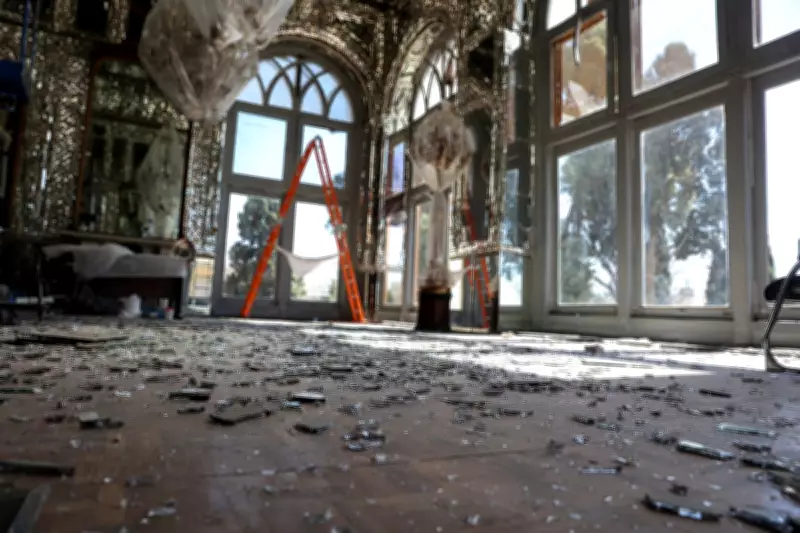
Historians and archaeologists from leading British institutions have raised urgent alarms that Iran's ancient cultural heritage is under severe threat from US and Israeli airstrikes. In a formal letter to The Times, experts from the British Museum, Fitzwilliam Museum, and Soas expressed profound concern over the humanitarian impact and reported damage to cultural landmarks.
UNESCO Confirms Damage to World Heritage Sites
The United Nations cultural agency, UNESCO, has officially confirmed that four of Iran's twenty-nine world heritage sites have been affected since hostilities escalated. This confirmation underscores the scale of the crisis facing Iran's historical treasures.
Specific Sites Suffering Direct Impact
Among the damaged locations are Tehran's Golestan Palace, a UNESCO-listed architectural marvel, and Esfahan's Chehel Sotoun, both of which have sustained significant harm. Reports indicate that a museum in Khorramabad has been completely destroyed, highlighting the immediate and tangible losses.

Environmental Threats to Ancient Ruins
Concerns are intensifying over the potential for environmental pollution from bombings to cause irreversible damage to sensitive ancient sites. Notably, Persepolis, one of Iran's most iconic archaeological treasures, faces heightened risk from such contamination, which could degrade its fragile structures and artifacts.
The warnings come amid waves of airstrikes hitting Tehran and the arrival of thousands of US Marines in the Middle East, escalating regional tensions. Scholars emphasise that the destruction of these sites represents not only a loss for Iran but for global cultural heritage, urging international attention to protect these irreplaceable monuments from further harm.