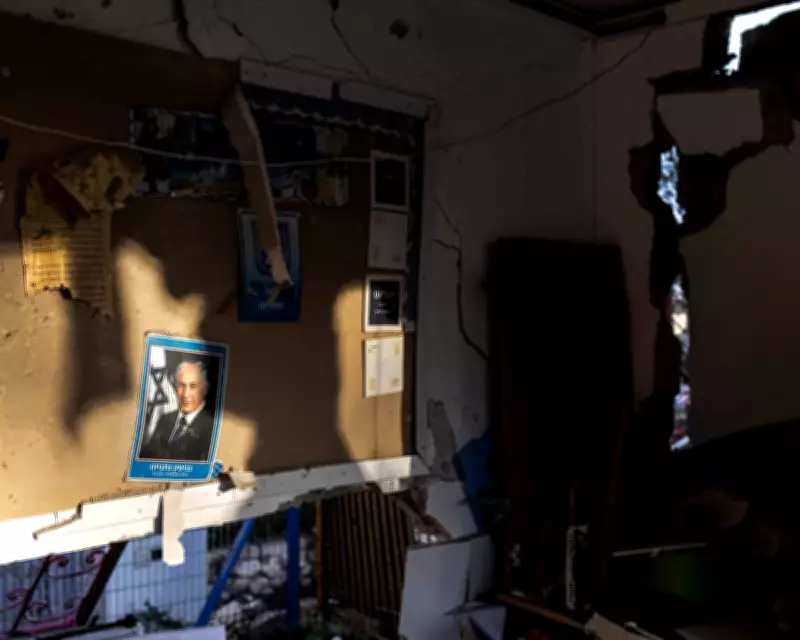
Israeli Public Maintains Strong Support for Iran Conflict Amid Global Concerns
In a striking display of national unity, a significant majority of Israelis are backing the ongoing conflict with Iran, even as international support from key allies shows signs of weakening. This steadfast public stance comes amidst escalating tensions in the Middle East, with military actions intensifying on both sides.
Domestic Consensus in Israel
Recent polling data reveals that over 70% of Israeli citizens approve of the government's handling of the Iran conflict. This high level of support is attributed to widespread perceptions of Iran as an existential threat, fueled by its nuclear ambitions and support for militant groups in the region. Many Israelis view the conflict as a necessary defensive measure to ensure national security and stability.
Public sentiment is further bolstered by media coverage that emphasizes Iran's hostile actions and the potential risks of inaction. Community leaders and political figures across the spectrum have echoed this view, creating a rare consensus in a typically divided society.

International Support Wanes
Conversely, international backing for Israel's actions has begun to erode. Traditional allies, including the United States and several European nations, have expressed growing unease over the conflict's escalation. Diplomatic channels are reporting increased pressure on Israel to seek de-escalation and pursue negotiated settlements.
Key concerns from the international community include the humanitarian impact of the conflict, risks of regional spillover, and the broader implications for global security. Some nations have called for renewed dialogue and multilateral interventions to prevent further violence.
Strategic Implications
The divergence between domestic Israeli support and waning international backing presents complex challenges for policymakers. Israel must balance its security imperatives with diplomatic relations, as sustained conflict could strain alliances and isolate the country on the world stage.
Analysts note that this dynamic may influence future military strategies and foreign policy decisions. The Israeli government is likely to continue emphasizing the defensive nature of its actions while engaging in diplomatic efforts to reassure concerned partners.
Looking Ahead
As the conflict persists, monitoring shifts in both domestic and international opinion will be crucial. The resilience of Israeli public support, coupled with evolving global responses, will shape the trajectory of the Middle East's security landscape in the coming months.