Archaeologists Uncover Lost Medieval 'Time Capsule' City in Polish Forest
Archaeologists have made a groundbreaking discovery, unearthing the remains of a medieval city described as a "time capsule" that vanished without a trace centuries ago. The find, located in a dense forest in Poland, is believed to be the ancient settlement of Stolzenberg, which existed during the 14th or 15th centuries before mysteriously collapsing.
Confirming the Location Through Advanced Techniques
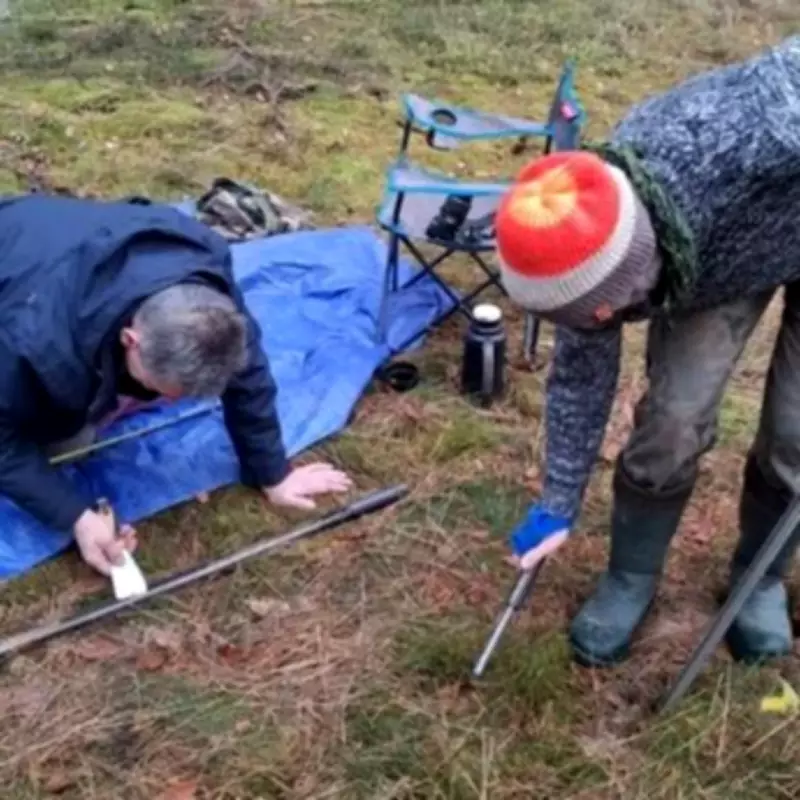
The discovery was made outside the modern-day village of Sławoborze in Poland, where researchers used a combination of historical sources, geographical data, and magnetic anomalies to pinpoint the city's location. Archaeologist Marcin Krzepkowski of the Relicta Foundation explained that the team relied on cartographical data to nail down the town to the historically contested borders of Pomerania and Neumark, a region long disputed by Germany and Poland.
Geophysical surveys revealed gigantic earthen ramparts and an 18-foot-deep moat, with magnetic anomalies indicating the existence of building remnants surrounding a rectangular market square. "This layout is typical of medieval towns founded under German law," noted the researchers, adding that traces of buildings were also found along a street leading to an expected city gate.

A Treasure Trove of Artefacts
Alongside the structural remains, archaeologists uncovered around 400 artefacts, ranging from items dating back to the Bronze Age to more recent relics from World War Two. Krzepkowski emphasized that the medieval artefacts were particularly valuable, as they confirmed the site was in use during the relevant period. "The results of these surveys dispelled any remaining doubts," he stated, highlighting how the artefacts and surveys together provided compelling evidence for the city's identity.
Unraveling Historical Mysteries
Despite the confirmation, Krzepkowski described the discovery as just "the beginning of the journey" in exploring the site. He believes Stolzenberg likely represents the initial location of a town that "fell" at an early stage and was later moved, with its planned area never fully developed. "This site is a true time capsule, harbouring many mysteries," he said, adding that unraveling them will enhance understanding of settlement and city-forming processes in this part of Europe.
The research has also helped clarify historical territorial disputes, with local testing results "dispelling any remaining doubts" about whether the ancient border town was located in formerly contested territory. This discovery not only sheds light on a lost chapter of European history but also opens new avenues for archaeological and historical study in the region.