Myanmar has opened its first parliamentary session in more than five years on Monday, marking a significant political event after an election that notably excluded major opposition parties. This development ensures the ruling military is poised to maintain a firm grip on power, with critics denouncing the process as a move to legitimize its authoritarian rule.
Historical Context and Military Takeover
The military blocked Myanmar's last parliament from convening when it seized power from the legitimately elected government of Aung San Suu Kyi in February 2021. Since that coup, the country has been governed without a legislature, plunging into civil war amid widespread opposition. The military has touted elections held in late December and January as a step toward restoring democracy, but the exclusion of key opposition groups has cast doubt on these claims.
Election Results and Parliamentary Composition
In the recent phased elections, which covered 263 of Myanmar's 330 townships, the military and its allies secured nearly 90% of the seats in the two-chamber parliament. Specifically, the military-backed Union Solidarity and Development Party won 339 seats, while 21 other parties garnered between one and 20 seats each. Notably, a quarter of the 586 seats in the upper and lower houses—amounting to 166 seats—were reserved for the military under a constitution drafted by the military itself.

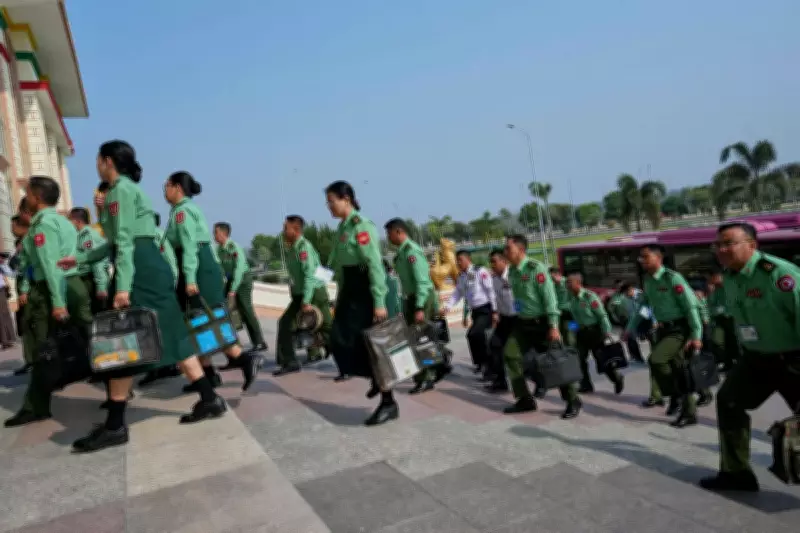
Myanmar's former ruling National League for Democracy, along with other major opposition parties, were either blocked from running or refused to participate under conditions they deemed unfair. This has led to a parliament dominated by military interests, with delegates wearing traditional attire arriving in the capital, Naypyitaw, for the opening session of the 373-seat lower house.
Security Measures and Parliamentary Proceedings
The session convened in a tightly guarded parliamentary complex, which had been newly renovated after sustaining damage from last year's earthquake. Security forces sealed roads leading to the parliament, and vehicles were thoroughly searched for explosives before entry. The 213-seat upper house is scheduled to open on Wednesday, with 14 regional parliaments set to convene two days later.
International Reaction and Domestic Opposition
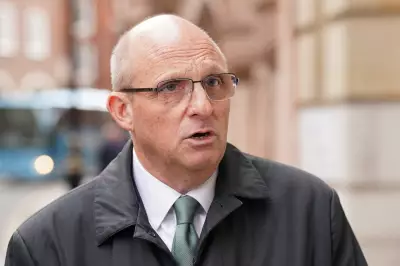
Critics, including Tom Andrews, a special rapporteur working with the U.N. human rights office, have urged the international community to reject the election results and any subsequent power arrangements. Andrews emphasized that the vote was an effort by the military government to legitimize its rule, following the 2021 coup that triggered ongoing civil conflict.
In response, an opposition shadow parliament, known as the Committee Representing Pyidaungsu Hluttaw, held an online session on Monday. This group, formed by elected lawmakers blocked from taking their seats in 2021, claims to be the country's sole legitimate parliament, highlighting the deep political divisions within Myanmar.
Leadership Prospects and Constitutional Constraints
The new parliament's initial tasks include electing a speaker for each house, followed by selecting a president and two vice presidents. Senior Gen. Min Aung Hlaing, who currently heads the military government, is widely expected to assume the presidency. However, the constitution prohibits a president from serving concurrently as the army's commander-in-chief—Myanmar's most powerful position—raising questions about whether he would relinquish that role.
Meanwhile, Aung San Suu Kyi, Myanmar's 80-year-old former leader, is serving a 27-year prison term on charges widely viewed as spurious and politically motivated. Her party, which won landslide victories in the 2015 and 2020 elections, was forced to dissolve in 2023 after refusing to register under new military rules, further consolidating the military's control over the political landscape.