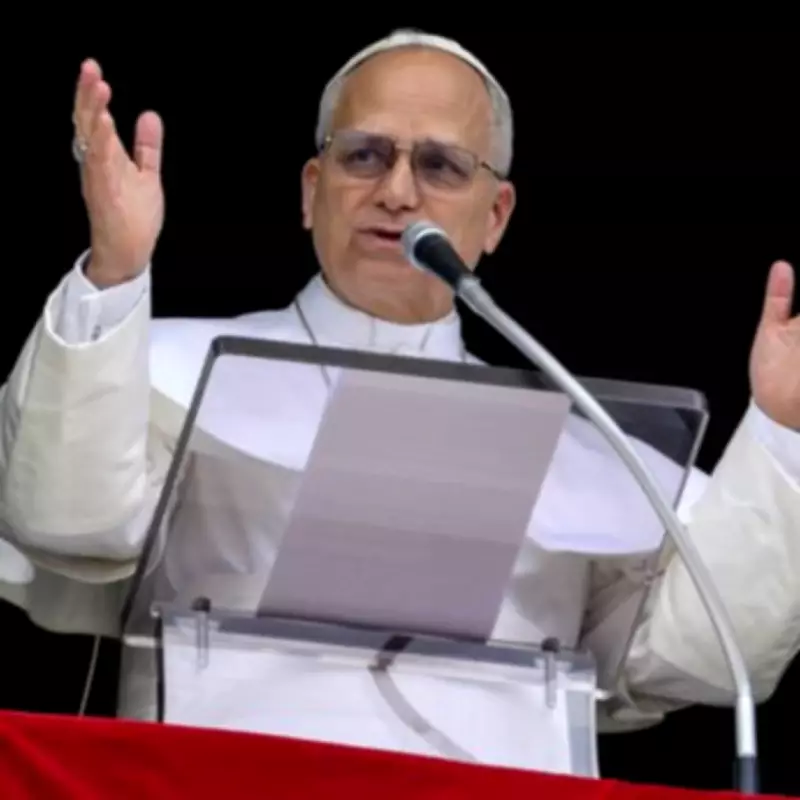
Pope Leo XIV has embarked on a historic 11-day tour of Africa, marking his first visit to the continent's fastest-growing Catholic region. This significant journey underscores Africa's rising importance within the global Catholic Church, with Vatican officials noting a "remarkable increase" in baptised Catholics across the continent.
Personal Priority and African Significance
According to senior Vatican sources, Pope Leo has made this tour a "personal priority," aiming to "turn the world's attention to Africa." The trip reflects profound demographic shifts, as Africa now hosts more than a fifth of the world's Catholics—approximately 288 million people—making it one of the most rapidly expanding regions for the faith.
Itinerary and Key Destinations
The papal itinerary includes visits to 11 cities across four countries: Algeria, Cameroon, Angola, and Equatorial Guinea. This marks Pope Leo's second major foreign tour since his election, highlighting his status as the first US-born pontiff in history.

While Cameroon, Angola, and Equatorial Guinea have substantial Catholic followings, Algeria holds particular significance as the first papal visit to the North African nation. Algeria is the birthplace of St Augustine, a 4th-century theologian whose teachings on community and humility have profoundly influenced Pope Leo, who hails from the religious order that follows Augustine's doctrines.
Interfaith Dialogue and Peace Initiatives
A central focus of the tour is promoting Christian-Muslim coexistence, especially in Algeria, where the Catholic community numbers only around 9,000—mostly foreigners—compared to a Sunni Muslim population of approximately 47 million. Pope Leo plans to engage in talks with Islamic leaders, emphasizing themes of peace, migration, and interreligious dialogue.
Father Peter Claver Kogh, Rector of the Basilica, expressed optimism that the Pope would "encourage us in our faith and in our mission to build a new world. A world where there is peace and where people live together in harmony." Similarly, French Cardinal Jean-Paul Vesco, Archbishop of Algiers, noted the importance of demonstrating that "we can be brothers and sisters together, building a society despite our different religions."
Political Context and Global Tensions
The African tour occurs amid ongoing geopolitical friction, particularly following comments by former US President Donald Trump. Pope Leo has reiterated his commitment to speaking out against the Iran war, despite Trump's criticisms. In a recent statement, Trump claimed the Pope was "WEAK on crime, and terrible for Foreign Policy," even suggesting, "If I wasn't in the White House, Leo wouldn't be in the Vatican."
Responding to these remarks aboard the papal plane, Pope Leo clarified that the Vatican's appeals for peace and reconciliation are rooted in Gospel teachings. He stated, "To put my message on the same plane as what the president has attempted to do here, I think is not understanding what the message of the Gospel is. And I’m sorry to hear that but I will continue on what I believe is the mission of the church in the world today."
This diplomatic stance aligns with the Pope's broader call for political leaders to pursue peaceful resolutions, countering what he described as a "delusion of omnipotence" fueling conflicts like the war in Iran.
Legacy and Future Implications
Pope Leo's visit to Algeria includes plans to celebrate Mass in the region where St Augustine served as a bishop, symbolizing a deep spiritual connection. This tour not only highlights Africa's dynamic role in Catholicism but also reinforces the Pope's dedication to fostering global harmony through interfaith engagement and steadfast advocacy for peace, even in the face of political opposition.