Russia's Systematic Looting of Ukrainian Cultural Heritage
In the ongoing conflict, Russia has systematically looted thousands of Ukrainian cultural objects, presenting a monumental challenge for recovery efforts. Ukraine is grappling with the immense task of reclaiming artworks and other cultural treasures lost during Russia's full-scale invasion, which began in early 2022. The scale of this cultural theft is staggering, with many items vanishing into occupied territories, leaving museum directors and officials in despair.
Personal Devastation in Kherson
When Alina Dotsenko returned to the Kherson Art Museum after Ukrainian forces liberated the southern city in late 2022, she was met with a scene of utter devastation. "I walked in and saw empty storage rooms, empty shelves. My legs gave way, and I just sat down by the wall, like a child," recounted the museum director. Before the invasion, the museum boasted a collection of over 14,000 works spanning from America to Japan. As Russian forces retreated, they loaded much of this priceless collection onto trucks and transported it to Russian-annexed Crimea, as confirmed by Dotsenko and video evidence from local residents. The fate of nearly 10,000 pieces remains shrouded in mystery, highlighting the profound loss.
Global Cultural Diplomacy Tensions
Ukraine is intensifying its outcry over this looting as Russia attempts to re-enter the world's cultural stage. Notably, next month's Venice Biennale plans to allow Russian representatives to participate for the first time since 2022. Ukraine has vehemently opposed this move, stating that the event "must not become a stage for whitewashing the war crimes that Russia commits daily against the Ukrainian people and our cultural heritage." This stance underscores the broader geopolitical tensions surrounding cultural diplomacy and accountability.

The Kherson Case: A Rare Documented Instance
The Kherson museum case stands out as a rare documented example of looting, thanks to Dotsenko's foresight. Years before the war, she meticulously photographed every item in the museum's holdings, creating a comprehensive digital archive. When Russian forces occupied Kherson, she hid the hard drives containing this archive, retrieving them after Ukrainian troops returned. Today, this archive serves as the most detailed record of looted cultural property during the war, enabling prosecutors to collaborate with Interpol to trace missing works and pursue those responsible. However, across much of Ukraine, such documentation is lacking, complicating legal efforts that require item-by-item proof.
Challenges in Documentation and Recovery
Halyna Chumak, former director of the Donetsk Regional Art Museum, fled Russian-controlled Donetsk in 2014, carrying catalogs documenting just over 1,000 of the museum's roughly 15,000 artworks. She spent a year transporting these catalogs through checkpoints into Ukrainian-controlled territory, leaving most behind to avoid detection by pro-Russian forces. More than a decade later, Ukrainian entrepreneur Oleksandr Velychko is digitizing these catalogs, a painstaking process that took his team over three months to process about 400 works. Once completed, this database will provide a partial legal basis for claiming ownership of missing items, though it remains a fraction of the total loss.
Prosecutorial Efforts and Open-Source Intelligence
Anna Sosonska, deputy head of a war crimes unit at Ukraine's Prosecutor General's Office, revealed that her department is handling 23 criminal proceedings involving cultural crimes, covering 174 episodes of looting, damage, and destruction. The Kherson museum case is a priority due to Dotsenko's digital archive. Sosonska noted that Russian forces often remove inventory books and other documentation from museums, making it difficult to establish what was taken. Prosecutors sometimes rely on open-source intelligence, tracking artworks through photos, auction records, and online traces—a labor-intensive process that cannot reconstruct entire collections. Despite the challenges, cultural crimes fall under international law and have no statute of limitations, offering a glimmer of hope for long-term accountability.

The Vast Scale of Looting and Legal Hurdles
Ukrainian officials emphasize that the scale of looting far exceeds what can be documented. According to Ukraine's Culture Ministry, as of March, Russia had destroyed or damaged 1,707 cultural heritage sites and 2,503 cultural infrastructure facilities, including the Mariupol Drama Theatre. The ministry reported that over 2.1 million museum objects remain in Russian-occupied territories, with over 35,000 museum items confirmed looted in areas Ukraine has retaken since 2022. Russia has moved to formalize control over seized collections, amending legislation in 2023 to incorporate 77 Ukrainian museums in occupied regions into its national catalog—a step critics say effectively prohibits the return of looted works.
Digitalization as a Key Priority
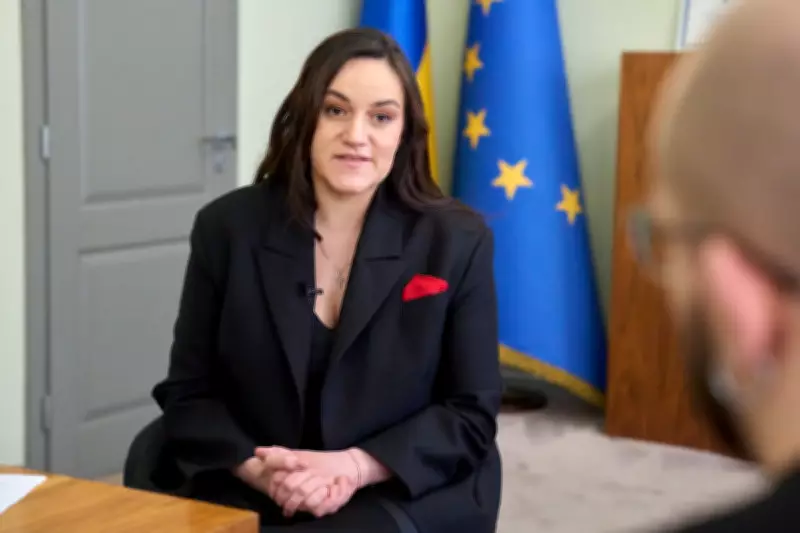
Appointed as Ukraine's culture minister in October 2025, Tetiana Berezhna highlighted digitalization as a key priority for her office to preserve collections. "If we had digitalized them beforehand, then we would know how many objects were stolen and what they look like," she stated. This focus on preemptive documentation aims to prevent future losses and facilitate recovery efforts, underscoring the importance of technological solutions in cultural preservation.
A Case of Accountability in Europe
A recent case in Europe has drawn attention to the possibility of accountability. In March, a Polish court ruled that Oleksandr Butiahin, a Russian national, can be extradited to Ukraine over allegations he conducted illegal excavations in Crimea, removing artifacts from a site Ukraine considers its cultural heritage. Butiahin was detained in Poland last year at Ukraine's request, with the court's decision subject to appeal. Sosonska described this as the first time a Russian national could face prosecution for crimes against Ukraine's cultural heritage linked to occupied territory, marking a potential precedent for international justice.
Personal Hopes and Ongoing Struggles
For museum workers like Dotsenko, the issue remains deeply personal. She spoke at an exhibition in Kyiv featuring reproductions of the paintings taken from the Kherson museum, expressing hope for resolution. "While these works are still in captivity, we all hope the situation will be resolved in favor of the Kherson Art Museum. I didn't dedicate 50 years of my life to this museum for nothing," she said. This personal dedication mirrors the broader national effort to reclaim and preserve Ukraine's cultural identity amidst ongoing conflict.