Russian Drones Target Odesa Residential Area Overnight
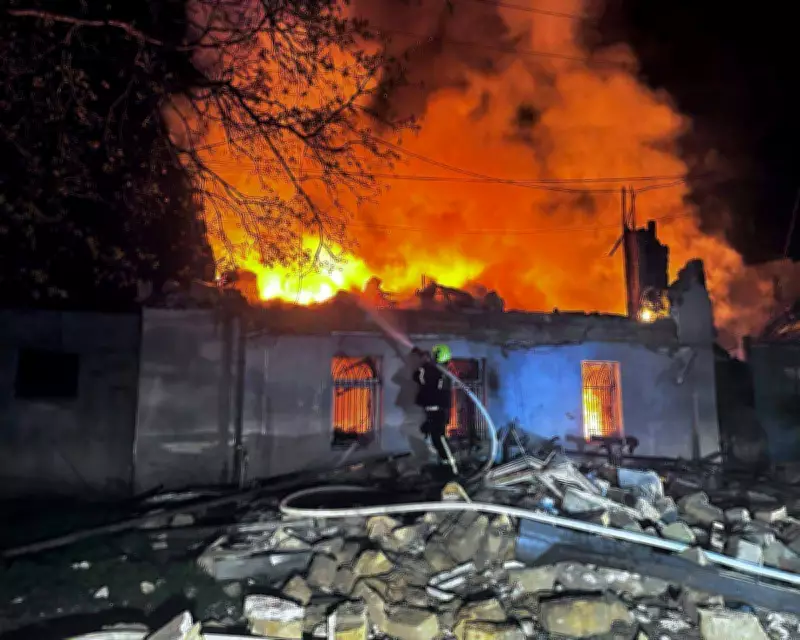
Russian drones struck a residential area of Odesa overnight, causing significant damage to houses, apartment buildings, and a kindergarten. This attack occurred despite a Kremlin-declared 32-hour Easter ceasefire, which was supposed to halt hostilities from Saturday afternoon until Sunday evening. Ukrainian authorities reported that the assault resulted in at least two fatalities and two injuries in the Black Sea port city, highlighting ongoing aggression in the conflict.
Ceasefire Violations and Military Responses
Ukraine's military command stated there were 469 violations of the truce, with Russian forces continuing to use drones to strike Ukrainian positions. Serhii Kolesnychenko, a communications officer for the 148th Separate Artillery Brigade, confirmed to the Associated Press that while artillery fire had paused in some sectors, drone attacks persisted. He emphasized that Ukrainian forces were responding with "silence to silence and fire to fire", indicating a measured but firm retaliation to breaches.
In Kherson, a public trolley bus driver was killed by a drone strike less than an hour before the ceasefire was set to begin, according to regional head Oleksandr Prokudin. The Ukrainian air force reported that Russia launched 160 drones overnight, with 133 being shot down or intercepted. Conversely, Russia's defence ministry claimed 99 Ukrainian drones were destroyed across Russia and occupied Crimea, accusing Ukraine of violating the truce as well.

Political Statements and Humanitarian Gestures
Russian President Vladimir Putin announced the ceasefire as a "humanitarian" gesture for Orthodox Easter, but Kremlin spokesperson Dmitry Peskov noted that Moscow remains focused on a comprehensive settlement based on its demands. Ukrainian President Volodymyr Zelenskyy pledged to abide by the ceasefire, calling it an opportunity for peace initiatives, but warned of swift military responses to any violations. "Easter should be a time of silence and safety. A ceasefire at Easter could also become the beginning of real movement toward peace," Zelenskyy wrote online, while cautioning about the reliability of the opposing side.
Prisoner Exchanges and Regional Incursions
A prisoner swap on Saturday saw 175 Russian soldiers and 182 Ukrainian service members and civilians returned, with many held since 2022. Hundreds of relatives gathered in northern Ukraine, chanting welcomes and holding photos of missing loved ones. Svitlana Pohosyan, awaiting her son's return, expressed hope for the ceasefire, saying, "I want to believe it. God willing, may it be so... My celebration will come when my son returns." These exchanges are among the few positive outcomes of US-brokered negotiations, which have stalled on key issues.
Separately, seven residents of Russia's Kursk region returned from Ukraine after being captured, as reported by Russian state media. This follows a surprise incursion by Ukrainian forces into Kursk in August 2024, marking a significant battlefield success and the first occupation of Russian territory since World War II. Regional governors in Russia also reported injuries from Ukrainian drone attacks in border areas, further complicating ceasefire efforts.
Broader Implications and Ongoing Conflict
The persistent drone strikes and ceasefire violations underscore the fragility of truce attempts in the war, now in its fifth year. Previous ceasefire efforts have had little impact, with both sides accusing each other of breaches. The attacks on civilian infrastructure, such as the kindergarten in Odesa, raise humanitarian concerns, while the prisoner exchanges offer a glimmer of hope amid ongoing hostilities. As the conflict continues, the international community watches closely, with these events highlighting the challenges in achieving a lasting peace settlement between Russia and Ukraine.