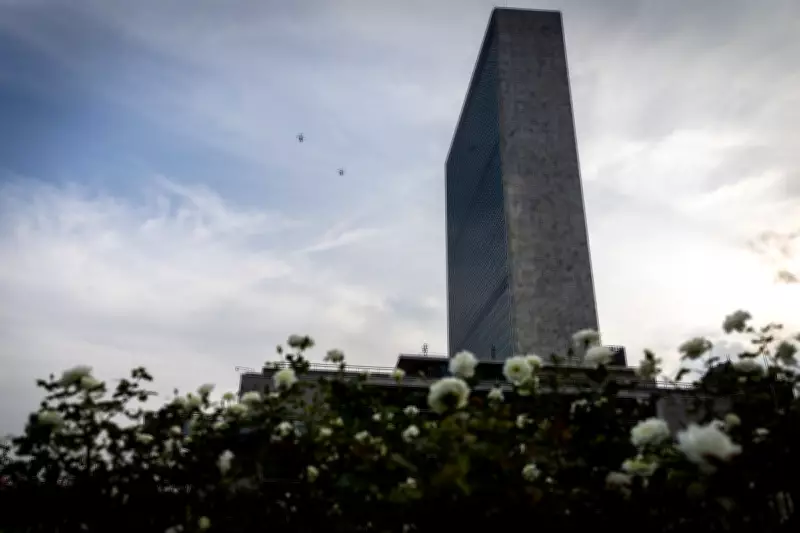
The United Nations General Assembly has passed a landmark resolution declaring the trafficking of enslaved Africans "the gravest crime against humanity" and calling for reparations. This historic move has been met with widespread approval across the African continent and among advocates for restorative justice and descendants of enslaved people.
Ghana Leads Push for Moral Awareness
Ghana was instrumental in pushing for the resolution, which also urges "the prompt and unhindered restitution" of cultural artifacts—including artworks, monuments, museum pieces, documents, and national archives—to their countries of origin without charge. Ghana's Foreign Affairs Minister, Samuel Okudzeto Ablakwa, stated after the vote that the resolution "recognizes that even within its complexity, there are moments in history that stand apart... To acknowledge this is not to diminish any other history; it is to deepen our collective moral awareness."
Although General Assembly resolutions are not legally binding, they serve as an important reflection of global opinion and are often referenced as a legal framework for various causes. In this instance, the African Union hailed the decision as "an important step toward truth, justice, and healing."

Opposition and Abstentions Highlight Divisions
The resolution received 123 votes in favor, but faced opposition from three member states: Argentina, Israel, and the United States. Additionally, 52 countries abstained, including the United Kingdom and all 27 members of the European Union.
Prior to the vote, Deputy U.S. Ambassador Dan Negrea expressed that while the U.S. opposes the past wrongs of the transatlantic slave trade and all forms of slavery, it "does not recognize a legal right to reparations for historical wrongs that were not illegal under international law at the time they occurred."
France, through its U.N. mission legal adviser Sylvain Fournel, argued that the resolution "seems to establish a hierarchy among crimes against humanity," leading to "serious legal difficulties and runs the risk of creating a competition against historic tragedies."
African and Diaspora Reactions
Many Africans and descendants of enslaved people have praised the resolution. Erieka Bennett, founder of the Ghana-based Diaspora African Forum, described it as "an answer to the prayers of our kidnapped, oppressed and murdered ancestors." She added, "This vote will energize our collective resolve to continue the fight for the dignity of African people and the liberation of our Motherland from the stranglehold of Western domination."
Nadege Anelka, a travel agent from Martinique who moved to Benin and became a citizen under a 2024 law granting citizenship to those tracing lineage to the slave trade, called the resolution "fantastic news." At 58, she noted, "Having returned to Benin, I already feel like I have undergone my 'journey of reparations'."
Gilles Olakounle Yabi, founder of the West Africa Citizen Think Tank WATHI, viewed the resolution as "symbolic" at a time when few are eager to acknowledge slavery's costs. However, he pointed out that the votes against and abstentions indicate "it’s still not so clear that people recognize the immensity of the crimes that were committed."
The Complex Path to Reparations
Discussions on how reparations should be paid remain complex. At a 2023 reparations summit in Ghana, participants established a Global Reparation Fund to push for financial compensation, though clear modalities are lacking. Historically, public opinion in places like the United States has been skeptical; a 2021 Pew Research Center survey found only about 30% of U.S. adults supported repaying descendants of enslaved people through means such as land or money.
Activists argue that reparations should extend beyond direct payments to include developmental aid for affected countries, the return of colonized resources, and systemic corrections to oppressive policies and laws. Elkory Sneiba of the anti-slavery group SOS Esclaves in Mauritania emphasized that efforts must address "justice for those communities who have suffered from this abject, inhuman and serious practice."

Beverly Ochieng, a Senegal-based analyst at Control Risks Group, expressed doubt that Western governments would allocate funds for slavery reparations, noting, "Some will argue that they have tried to develop former colonies and countries they exploited."
Olivette Otele, Distinguished Research Professor of the Legacies and Memory of Slavery at SOAS, University of London, has written that advocates for reparations "hardly ever" seek only money. According to her, "their work is grounded in an understanding that the social, the political and the economic are bound together and must be addressed together, creating the possibility of a better world."
This resolution marks a pivotal moment in the global conversation on historical injustices, yet its practical implications and the path forward for reparations continue to spark debate and uncertainty.