UN Urged to Recognise Transatlantic Slave Trade as Crime Against Humanity
Ghana's President John Dramani Mahama has issued a powerful call for the United Nations to formally recognise the transatlantic slave trade as a crime against humanity. This landmark proposal represents what experts describe as an essential first step toward addressing historical injustices that continue to shape global inequalities today.
Beyond Symbolic Recognition
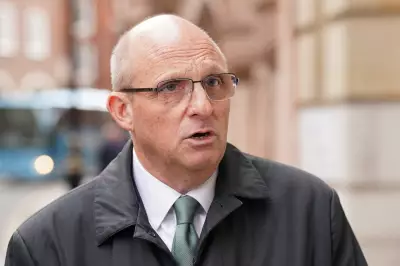
While recognition represents a crucial starting point, experts argue it must be accompanied by concrete actions. Rear Admiral Kenneth B Ati-John from Lekki, Nigeria emphasises that decades of acknowledgments – from the Abuja Proclamation to the Durban Declaration – have failed to address the structural consequences of slavery visible in development patterns, opportunity distribution, and vulnerability across Africa and its diaspora.
The real question facing the international community is what recognition should achieve. If the UN General Assembly initiative is to succeed, it must move beyond symbolic affirmation toward institutional consequences with tangible outcomes.

Reparatory Justice as Forward-Looking Framework
Reparatory justice should be understood not simply as compensation for historical wrongs but as a comprehensive framework for restructuring opportunity in the present. Recognition becomes meaningful when it strengthens affected societies' ability to negotiate fairer terms within the international system their ancestors' labour helped build.
The African Union has designated 2026 to 2035 as the "decade of action on reparations," signalling Africa's coordinated approach to this issue. Practical mechanisms must now follow, including support for the Caribbean Community's 10-point reparations framework, expanded educational partnerships, and development financing arrangements that address longstanding structural imbalances.
Historical Complexity and Global Responsibility
Ndine Wa‑Chiuta from Dar es Salaam, Tanzania acknowledges President Mahama's moral courage in forcing the world to confront a past too long ignored. The transatlantic trafficking and enslavement of Africans constituted structural violence that reshaped continents, erased cultures, and forged persistent inequalities.
True historical recognition demands nuance. While European colonial powers orchestrated and expanded the trade, a complete account acknowledges multiple actors and networks – including African intermediaries operating under coercive conditions – were entangled in this complex system. Incorporating this fuller truth strengthens the moral case for rectification.
A Turning Point for Global Justice
This initiative represents more than an African concern – it is a global human cause. By confronting the shadows of our shared past, we honour those whose bodies and spirits were stolen while advancing enduring human values of dignity and equality.
With discipline and imagination, this UN initiative could redefine reparations not as backward-looking claims but as forward-looking projects of global fairness. The moment presents an opportunity to translate historical recognition into practical mechanisms that address the economic disparities, racial hierarchies, and institutional exclusions traceable to centuries of exploitation.
As the international community considers this proposal, the focus must remain on creating pathways to cultural restoration, economic opportunity, and comprehensive education about slavery's profound human costs. This could mark a genuine turning point toward justice, unity, and a more equitable future for all nations affected by this historical crime.