Top 10 Children's Journals for Boosting Emotional Literacy and Resilience
Encouraging children to document their thoughts, worries, and goals through journaling can significantly enhance their emotional literacy and resilience. With the myriad of options available, selecting the best journal depends on factors such as age, interests, and specific needs. This guide presents the top 10 kids' journals, rigorously tested by children and teens, to help parents make an informed choice.
Why Journaling Matters for Children
Many psychologists advocate journaling as a simple yet effective method to build emotional literacy, resilience, and self-awareness. Dr. Ritz Birah, a consultant counselling psychologist, explains, "Journalling helps children organise their emotional world. Research indicates that naming feelings reduces reactivity in the brain's emotional centres and improves regulation." To foster a journaling habit, Dr. Ritz recommends keeping sessions short, flexible, and child-led, linking them to calm routines to encourage willing engagement.
How We Tested the Journals
Over four weeks, a range of journal formats—from heavily prompted wellbeing diaries to blank and sketch-led options—were tested with children of various ages and writing abilities. Key evaluation criteria included engagement, quality, level of support, and overall kid appeal. Only journals that sparked genuine enthusiasm made the final list.

The Best Kids' Journals for 2026
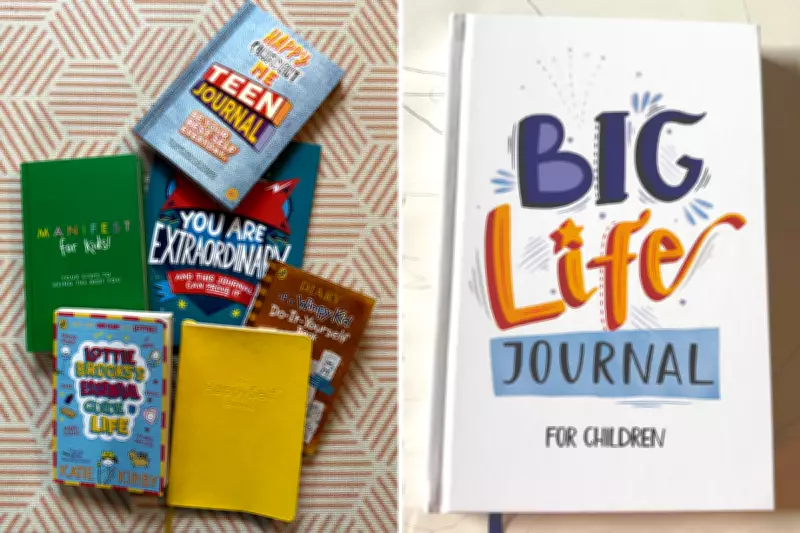
- Best Overall – The HappySelf Junior Journal: Priced at £24.90, this journal features a cheerful yellow cover, 128 pages with guided prompts, and varied activities like drawing emojis and writing affirmations. It lies flat and is highly engaging for children aged 6-12.
- Best Budget Buy – Happy Confident Me Daily Journal: At £9.99, this journal offers bright, engaging pages with undated entries for flexibility. It includes prompts for circling feelings and noting positive events, though younger children may need adult support.
- Best for Mindfulness – Big Life Journal for Kids: Costing £21, this journal includes open-ended activities such as colouring and drawing, promoting mindfulness. It encourages journaling with a buddy and is suitable for ages 6-10.
- Best Travel Journal – Oakdene Personalised Wooden Adventure Journal: Priced at £24, this durable journal can be personalised and includes scavenger hunts and space for documenting adventures, making it a lasting keepsake.
- Best for Manifesting – Manifest for Kids by Roxi Nafousi: At £11.13, this journal teaches emotional regulation tools like breathing exercises and CBT methods, though it may be text-heavy for younger readers.
- Best Dyslexia-Friendly – Diary of a Wimpy Kid: Do-It-Yourself Book: Priced at £7.99, this journal uses a comic-style font and visual support, making it accessible and engaging for reluctant writers aged 8-10.
- Best for Teens – Happy Confident Me: Teen Journal: Costing £11, this journal includes a feelings mapper and habit tracker, offering age-appropriate prompts for emotional literacy in teens aged 12-16.
- Best Personalised – Wonderbly You Are Extraordinary Journal: At £25, this journal is fully personalised with creative activities like designing business cards and failure vouchers, fostering self-esteem.
- Best for Preteens – Lottie Brooks's Essential Guide to Life: Priced at £7, this journal features humour and quizzes on topics like puberty and friendships, appealing to tweens aged 10-12.
- Best Annual Journal – Wonderbly Yearly Journal: Costing £19, this personalised journal includes weekly prompts and activities, encouraging creativity and reflection throughout the year.
Frequently Asked Questions
What is the best kids' journal? The HappySelf Junior Journal stands out for its accessibility, fun design, and balance of variety and repetition, making it highly engaging for children.
When should children start journaling? Dr. Ritz suggests it is particularly beneficial during middle childhood (ages 6-11) and adolescence, when emotional development intensifies.

What to look for in a kids' journal? Guided prompts can reduce cognitive load and support emotional articulation, while formats like drawing may suit older children as they develop their skills.
Why trust this review? Zoë Phillimore, with experience in children's publishing and product testing, conducted these reviews with real child testers to ensure honest and reliable recommendations.