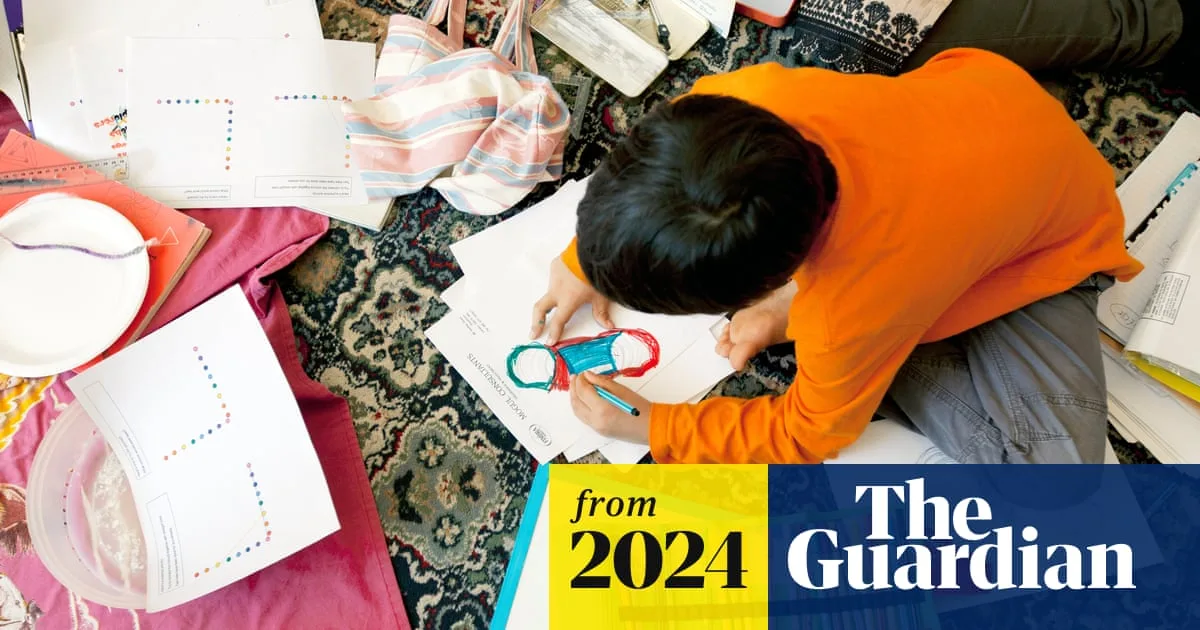
More than one in 100 children in England were homeschooled last summer term, with many parents citing lifestyle or philosophical reasons for abandoning traditional classrooms, according to new Department for Education (DfE) data.
The DfE estimates that 97,000 children were home educated in the 2023 summer term, an increase of 11,000 compared with the 86,000 at the start of 2023. The figures suggest the surge in homeschooling during the Covid pandemic is at risk of becoming permanent, with only 4% of parents citing health concerns over Covid as the main factor.
Nearly one in four families surveyed by the DfE said “lifestyle choice” and “philosophical or preferential reasons” were their primary motivation. The DfE also published attendance figures showing that 20% of secondary school pupils were persistently absent from September to mid-January, an improvement on 24% the previous year but far above the 11% recorded in 2018-19.

Paul Whiteman, general secretary of the National Association of Head Teachers, said ministers needed to “look at the bigger picture”. He added: “Schools alone do not have the time, resources or expertise to address what are sometimes deep-rooted social issues, yet vital services like children’s social care and mental health support have suffered cuts.”
Catherine McKinnell, the shadow schools minister, said the numbers of children missing half their lessons had tripled in parts of the north-east. “Something has been going seriously wrong that so many parents don’t see the merit in their children being in the classroom,” she said.
Before the pandemic, about 55,000 children were home educated, but numbers jumped by 36% in autumn 2020 to 75,000. The shadow education secretary, Bridget Phillipson, plans legislation for a compulsory register of children not in school, a move opposed by supporters of elective home education.