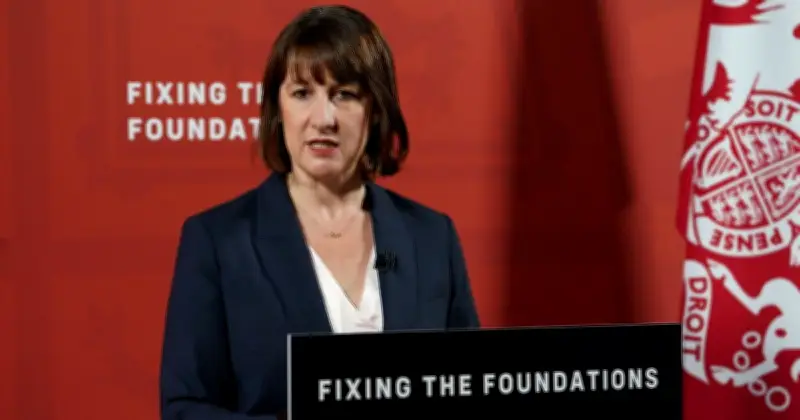
Government borrowing in the UK surged to £23.3 billion in May, marking the second-highest level on record for that month, as the ongoing conflict in Iran drove debt interest costs to unprecedented heights. The Office for National Statistics (ONS) reported that borrowing increased by nearly a third, or around £5.4 billion, compared to the same period last year. This figure far exceeded expert predictions, which had anticipated a rise to approximately £18.8 billion, while the Office for Budget Responsibility (OBR) had forecast £17.7 billion.
Record Debt Interest Payments
The ONS highlighted that interest payable on government debt jumped by £4.1 billion to £11.7 billion in May, the highest ever recorded for that month. This spike was driven by rising Retail Prices Index (RPI) inflation, which affected index-linked government bonds. The increase in long-term government borrowing costs reflects weakened UK growth prospects since the start of the Middle East conflict in late February, compounded by political uncertainty at home.
Political Turmoil and Fiscal Challenges
The borrowing figures come amid political upheaval, with Prime Minister Sir Keir Starmer facing a leadership challenge from Andy Burnham, the Mayor of Manchester. Burnham recently secured a victory in the Makerfield by-election, positioning himself to mount a challenge. He has sought to reassure financial markets by supporting the Chancellor's existing fiscal rules, which aim to cover day-to-day spending with tax revenues by the end of the decade. However, the latest data underscores the difficulty of adhering to these rules.

Shadow Chancellor Sir Mel Stride criticized Burnham, stating, "Burnham claims he is committed to the fiscal rules, yet when asked he could not even say what they are. The bond markets are watching nervously and we have already been paying a Burnham penalty on our borrowing costs."
Financial Year Borrowing Trends
The ONS reported that borrowing for the financial year up to May stood at £46.3 billion, which is £8.9 billion—nearly a quarter—more than the same period in 2025 and £7.7 billion above the OBR's forecast. Tom Davies, ONS senior statistician, noted, "Borrowing in the first two months of the financial year was nearly £9 billion higher than the same period of 2025. Spending on debt interest, public services, investment and benefits all increased in May 2026 compared with last May, more than outweighing higher tax receipts."
Government and Expert Reactions
Chief Secretary to the Treasury Lucy Rigby defended the government's economic plan, stating, "Inflation has held steady and unemployment has fallen this week, but the war in the Middle East has clearly had an impact on economies around the world. We have the right economic plan to deal with these challenges—protecting families and businesses from rising costs, while cutting borrowing at a faster rate than any other G7 economy."
Matt Swannell, chief economic adviser to the Item Club, warned that the Iran war's impact would continue to strain public finances despite an initial peace deal between the US and Iran. He said, "With a ceasefire reached, energy prices have fallen back but are still higher than before the conflict. Weaker growth could weigh on tax revenues, while higher inflation and market interest rates will increase debt interest payments." He added, "The Government's primary fiscal rule commits it to ensuring that it’s only borrowing to invest by 2029-2030. In its spring forecast, the OBR estimated that this would be met by a healthy margin. But several questions remain over whether the current plans will be sufficient to reduce public borrowing."