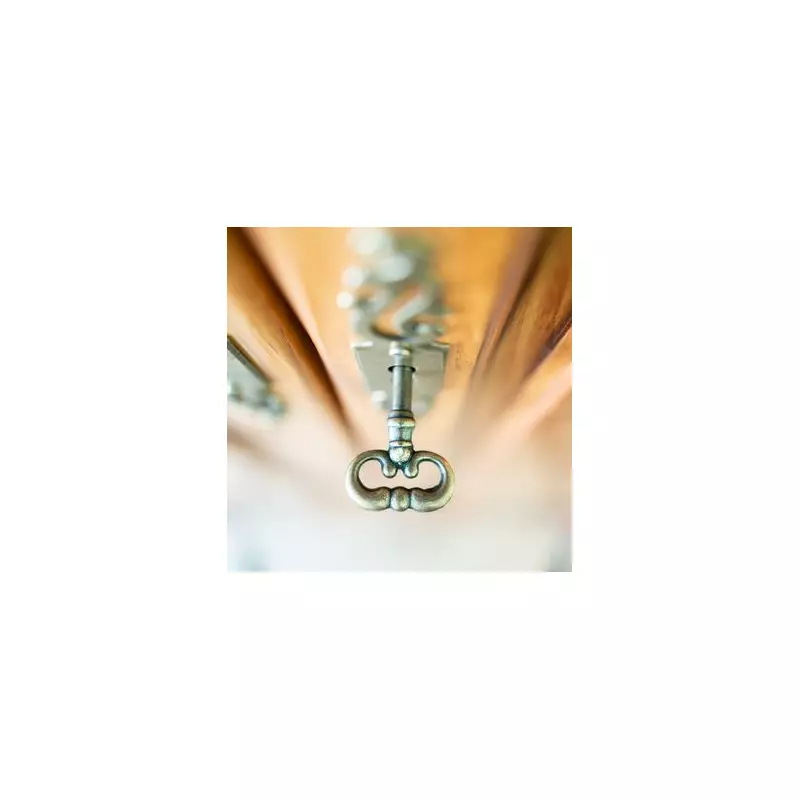
Historic 350-Year-Old Spice Chest Unlocked, Revealing Intimate Family Secrets
An astonishing 350-year-old chest has been carefully unlocked, exposing the long-held secrets within its aged wooden frame. This remarkable piece of history, crafted in Salem, Massachusetts in 1677, represents one of the finest surviving examples of early American furniture. The cabinet's exceptional preservation and rich provenance have captured the attention of historians and collectors worldwide.
Exquisite Craftsmanship and Remarkable Preservation
The vintage cabinet, constructed from red oak, black walnut, red cedar, and ebonized maple, stands as a testament to seventeenth-century American craftsmanship. Its age and rarity have resulted in an eye-watering valuation of between $600,000 and $800,000 (approximately £442,800 to £590,384). What makes this piece particularly extraordinary is its remarkable state of preservation, with original working lock mechanisms and hinges still fully intact after three and a half centuries.
Conservator and paint analyst Susan Buck recently opened the little spice chest, revealing how it "carries a complete physical record of how it was used and treasured by generations of the same family." In a detailed examination shared through Sotheby's TikTok channel, Buck expressed her awe at encountering such a well-preserved artifact from the 1600s.

A Window Into Seventeenth-Century Family Life
The cabinet, officially listed as "The Highly Important Symon and Rebeckah Horne Pilgrim Century Valuables Cabinet" and attributed to the Symonds shops of Salem, Massachusetts, tells an intimate story of early American family life. Buck's analysis revealed touching personal details, including a sweet little heart carved between the initials of Symon and Rebeckah Horne on the central cartouche.
"It's that sweet little touch that gives you a sense of seventeenth-century people, deeply connected and symbolising it on this little central plaque," Buck explained during her examination. The date '77' on the cabinet corresponds to the birth year of the Hornes' first son, adding another layer of personal significance to this historical artifact.
Unusual Preservation Factors
What makes this cabinet particularly exceptional is what it hasn't undergone over the centuries. Unlike most seventeenth-century American furniture that has been repainted, re-varnished, or substantially cleaned, this object remained virtually untouched. The presence of dirt and soot on its surface likely resulted from the cabinet spending winters in rooms with active fireplaces, creating a natural patina that tells its own story.
Buck described her analysis as "like a giant puzzle," where she assesses multiple facets of any given object to determine its journey through history. She noted that the cabinet's remarkable condition likely resulted from generations of careful preservation within the same family, with each successive generation understanding and appreciating its significance.
Documentation and Contents
The cabinet arrived at auction accompanied by significant documentation, including:
- A period nineteenth-century letter from David Ballard
- A typed provenance of the cabinet
- Two index cards relating to its provenance
- Two bags of spices (cloves and cinnamon)
These accompanying items provide additional context and verification for the cabinet's remarkable journey through American history. The spices themselves offer a tangible connection to the cabinet's original purpose as a valuables cabinet for precious household items.
Expert Reactions and Historical Significance
During her examination, Buck expressed genuine astonishment at the cabinet's condition: "I thought I had prepared myself to look at this spice chest, but this one retains so much of its physical evidence. It's truly jaw-dropping and I think anybody who works in this field realises what a rarity it is."
The cabinet formed part of Sotheby's "Visions of America" auction in New York, which highlighted American craftsmanship through art and objects. Although the auction closed on January 23, the cabinet's story continues to resonate with historians and enthusiasts who appreciate its significance as both a historical artifact and a family heirloom.

Public reaction to the cabinet's unveiling has been overwhelmingly positive, with social media commentators describing such boxes as "the crown jewels of American furniture" and expressing admiration for the obvious appreciation and knowledge demonstrated during its examination. The cabinet serves as a powerful reminder of the importance of preserving family heirlooms and understanding our shared historical heritage.