Art Weekly Dispatch: Stitched Canvases, Pop Art Pilgrimage and an Igloo's Welcome
This week's art scene offers a rich tapestry of experiences, from seductive stitched canvases in London to a pop art icon making waves in the Midlands and a legendary Italian sculptor's protective igloo. Our curated dispatch brings you the essential exhibitions and stories shaping the visual arts landscape.
Exhibition of the Week: Jessica Rankin's Lyrical Fusion
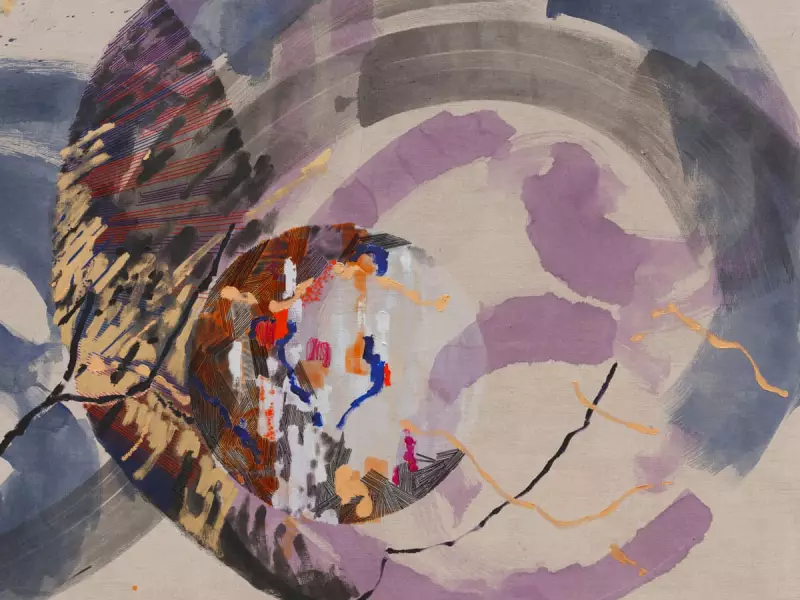
New York artist Jessica Rankin presents a captivating series where the boundaries between embroidery and painting beautifully dissolve. Her abstract works, on display at White Cube Mason's Yard in London from 28 January to 28 February, possess a seductive, lyrical quality that invites prolonged contemplation. The pieces hover in a unique space, blending textile art's tactile intimacy with painting's expressive depth, creating a truly immersive visual experience.
Also Showing: Highlights Across the UK
Andy Warhol continues to captivate audiences, with a major exhibition at Lakeside Arts in Nottingham running from 24 January to 19 April. The show explores how the artist who defined American pop culture resonates in today's political climate, offering fresh perspectives on his enduring legacy.

In London, Patrick Heide Contemporary Art hosts As Long As It Takes, an intriguing exploration of the symbiotic relationship between drawing and performance art. Featuring works by Carali McCall, Jaanika Peerna and others, the exhibition runs until 7 March.
Artists including David Hockney and John Hoyland pay homage to landscape master John Constable in a special exhibition at the Bernard Jacobson Gallery, London, from 29 January to 27 February.
The environmentally sensitive works of Mario Merz, a legend of the arte povera movement, are showcased at Sprovieri, London until 13 March. The exhibition features his protective and welcoming igloo sculpture, bringing the Italian giant's visionary creations in from the cold.
Image of the Week: Portrait of Britain Winner
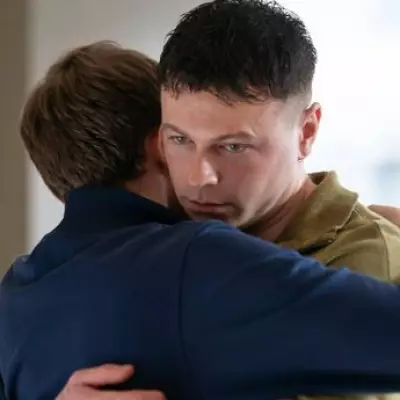
This week's standout image comes from the Portrait of Britain competition. Photographer Stuart Edwards captures Henry, 78, a sharply dressed regular at Barras Market in Glasgow's East End. When asked how he's doing, Henry's response – "Better than good – I'm lucky" – encapsulates the spirit of this winning portrait, celebrating character and community across the nation.
What We Learned: Art World Insights
- A 67,800-year-old hand shape discovered in an Indonesian cave may represent the world's oldest rock art, pushing back the timeline of human creativity.
- Ai Weiwei's new book On Censorship proves particularly lively when the artist turns his attention to pondering artificial intelligence and its implications.
- Colombian artist Beatriz González, renowned for her potent political works, has passed away at the age of 93.
- Tracey Emin has curated an exhibition celebrating her artistic heroes, creating a show that deliberately revels in atmospheric gloom.
- Sally Tallant has been appointed as the new director of London's Hayward Gallery, bringing fresh leadership to the iconic institution.
Masterpiece of the Week: Medieval Emotional Depth
The Madonna of Humility With Saints Mark and John by Lorenzo Veneziano, created around 1366-70, represents a pivotal moment in art history. This Venetian masterpiece, housed at the National Gallery in London, transcends its gold-laden medieval origins through a tender, human exchange between mother and child.
Mary's expression conveys not mere humility but profound devotion, while the infant's gaze reveals a palpable need for maternal connection. This heart-wrenching moment of recognisable experience exemplifies how Italian artists of this period pioneered unprecedented emotional power in art.

Veneziano shares this new sensitivity to gesture and expression with contemporaries like Giotto and Simone Martini, as well as literary giants including Dante, Boccaccio and Britain's own Geoffrey Chaucer. The work marks a decisive shift from the cooler, regal figures of early medieval art toward psychological acuteness and passionate drama that would define Renaissance art to come.