Ballad Lines Review: A Heartbreaking, Full-Throated Folk Music Journey for the Ages
Southwark Playhouse Borough, London
Composer Finn Anderson and director Tania Azevedo have crafted a powerful and emotionally resonant theatrical experience that takes audiences on a profound generational journey through the rich history of Appalachian song. Ballad Lines represents a remarkable fusion of musical heritage and contemporary storytelling, creating an unforgettable evening of theatre that celebrates the enduring power of folk traditions.
The Historical Roots of Appalachian Music
Much of the distinctive music originating from central Appalachia – the mountainous region spanning Virginia, Kentucky, Tennessee and the Carolinas – can trace its lineage directly to the Scots-Irish settlers who made this area their home. These Ulster immigrants brought with them their boisterous, lively tunes and profoundly melancholy ballads, ultimately gifting the United States some of the earliest iterations of what would become country music. This fascinating cultural migration forms the essential foundation upon which Ballad Lines builds its compelling narrative framework.

A Musical Story Across Generations
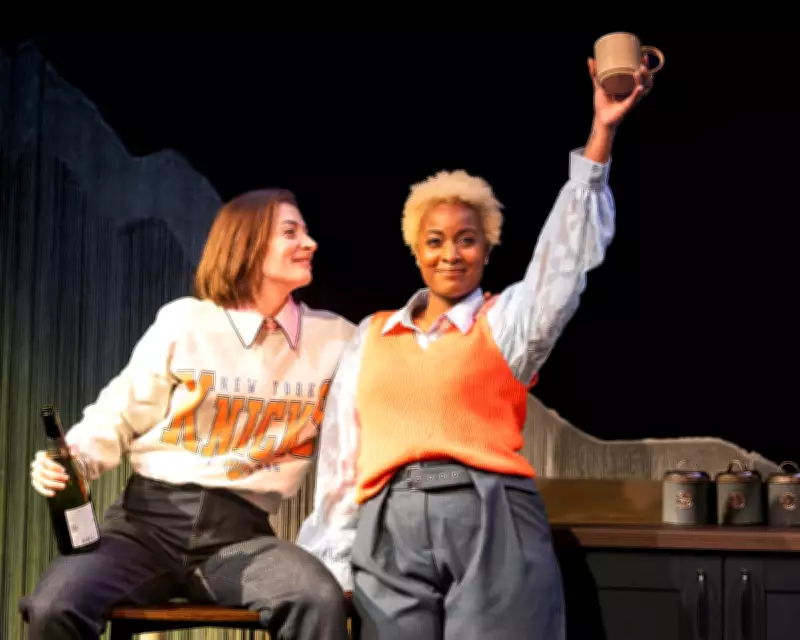
Anderson and Azevedo have masterfully utilized this historical journey to weave together a musical story that spans multiple generations with remarkable emotional depth. The production begins with contemporary New York couple Sarah and Alix as they settle into their new home and embark on a Marie Kondo-style decluttering session. Their attention turns to a mysterious box sent to Sarah by a dying aunt, which unexpectedly contains audio tapes that meticulously trace song origins back through the family lineage.
This discovery initiates an initially unwelcome but ultimately transformative reconnection to Sarah's West Virginia roots, setting in motion a narrative that explores identity, heritage, and the powerful bonds that music can create across time and distance. The production's structure allows audiences to experience this journey alongside the characters, creating a shared sense of discovery and emotional revelation.
Electrifying Musical Performances
The music in Ballad Lines possesses a genuinely moving quality that would resonate with any audience member. Finn Anderson's score demonstrates exceptional skill in powerfully evoking the source material it explores, while the ensemble's singing brings traditional songs like The Four Marys and Handsome Molly to life with positively electrifying energy. Anderson incorporates and adapts these traditional pieces with remarkable fluidity, honoring the centuries-long journey these songs have undertaken while making them feel immediate and relevant to contemporary audiences.
Outstanding Cast Performances
In a nearly all-female cast that delivers consistently excellent performances, several actors deserve particular recognition for their standout contributions. Kirsty Findlay delivers a heartbreaking portrayal of Cait, a spirited but troubled Scottish minister's wife living in the 1600s whose emotional journey forms a crucial part of the production's historical narrative. Meanwhile, Yna Tresvalles expertly teases the wit from the script as 18th-century Londonderry teenager Jean, delivering the memorable line: "If God didn't want us tempted, he wouldn't have invented sailors."
The respective pregnancies of these characters fuel the show's powerful exploration of motherhood and choice, with the act-one number Unexpected Visitor emerging as a particular standout moment. These historical storylines demonstrate such compelling depth and emotional resonance that they occasionally outshine the contemporary narrative thread, leaving audiences wishing these fascinating characters could reappear during the New York scenes.

Supporting Cast and Production Elements
The production benefits from brilliant supporting performances that enhance the overall experience. Sian Louise Dowdalls delivers a memorable turn as Jean's vociferous sister, while Ally Kennard brings vital empathy and nuance to all the male roles throughout the production. Aunt Betty, who serves primarily in a narrative capacity for much of the show, emerges more fully only in the later stages, and the ending delivers its message with the directness one might expect from a voice from the grave – perhaps lacking subtlety but certainly not emotional impact.
A Worthy Tribute to Folk Tradition
Despite any minor narrative quibbles, there is absolutely no faulting the vocal performances in this full-throated, folk-energy production. The stirring second-half flatfooting number represents a particular highlight, showcasing the ensemble's remarkable musical abilities and the production's infectious energy. Ballad Lines stands as a worthy and deeply felt tribute to the music it clearly loves and respects, honoring both its historical origins and its continuing relevance in contemporary culture.
Here's hoping this remarkable production can share its powerful message and exceptional music more widely following its Southwark Playhouse run. The show continues at Southwark Playhouse Borough, London until 21 March, offering audiences a rare opportunity to experience this unique fusion of historical storytelling and musical excellence.