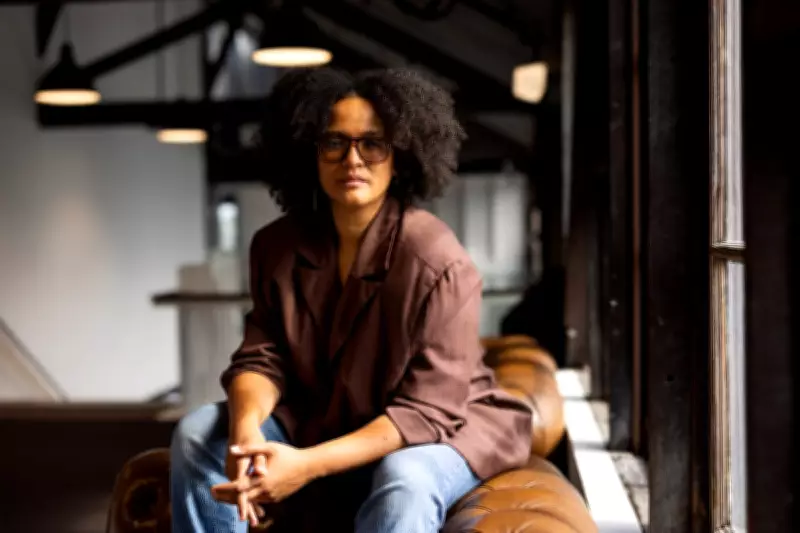
Zindzi Okenyo is on a mission to spotlight the immense talent within black artistic communities through her latest directorial venture. Her production of Purpose at the Sydney Theatre Company aims to showcase what she describes as 'the multitude of skill and presence and artistry from black artists'. This endeavour comes at a pivotal time as African diaspora theatre gains unprecedented momentum across Australia's main stages.
A Shift in Australian Theatre Landscape
Over the past five years, theatre from the African diaspora has rapidly moved from the fringes to become a central force in Australia's cultural scene. This transformation has been fueled by a new generation of artists, including Okenyo, who are dedicated to creating more opportunities and safer environments for black performers. When Okenyo steps onto the Sydney Theatre Company stage in June for John Patrick Shanley's Tony award-winning play Doubt, it will mark her fourth main-stage role portraying a black woman in a career spanning two decades. She expresses excitement about this opportunity, noting, 'I haven't had a black role for so long.'
Creating Dream Spaces for Black Actors
Born in Adelaide to a white mother and a Kenyan father, Okenyo has often found herself as the 'only brown person' in predominantly white spaces throughout her life and career. This experience has shaped her behind-the-scenes work as a director, where she focuses on crafting what she calls 'dream spaces' for actors. In mid-January, she was deep in rehearsals for Purpose, a Pulitzer and Tony award-winning dysfunctional family dramedy by Branden Jacobs-Jenkins, featuring an entirely black cast. The play revolves around a 'Famous Black' family, with secrets and tensions unfolding around the dinner table, offering each actor a 'powerhouse moment' in this true ensemble piece.

Okenyo reflects on her journey, stating, 'I haven't had the opportunity, as an actor, to be in the rooms that I create. But for now, as a director, it's about creating a dream space for these actors.' Her goal is to demonstrate to the Australian industry the diverse skills and artistry that black artists bring to the stage.
The Impact of Community-Focused Productions
The rapid rise of African diaspora theatre in Australia can be attributed to a deliberate shift in audience focus. Okenyo emphasises that key productions were not made for white audiences but rather for the community itself. She recalls, 'We were like, we're gonna just make this for us, for our community ... And everybody's welcome.' This approach was evident in 2021 when she co-directed a low-budget production of Jasmine Lee-Jones's anarchic comedy seven methods of killing kylie jenner with Shari Sebbens. Staged in a small Sydney theatre with a women-of-colour team, the show sold out, attracted celebrities like Taika Waititi, and was remounted in multiple cities.
The success was not just measured in ticket sales but also in the vibrant atmosphere within the theatre, predominantly filled with young and Bipoc audiences. Okenyo describes it as 'loose', highlighting the organic and inclusive energy that defined these performances.
Catalysts for Change
Several factors have converged to accelerate this movement, including the COVID-19 pandemic, the Black Lives Matter movement, and a growing awareness of how racism impacts society. Okenyo points out that in the US and UK, there was a surge in work by black playwrights responding to these themes, which influenced Australian stages as the country grappled with its own colonial history. Productions like Hamilton in 2021, with its almost entirely Bipoc cast, and plays by renowned writers such as Lynn Nottage and August Wilson programmed by major companies like STC and Melbourne Theatre Company, have further propelled this shift.
This year, the Melbourne Theatre Company will stage Ryan Calais Cameron's Retrograde, directed by Bert LaBonté, adding to the growing repertoire. Meanwhile, smaller venues have been instrumental in launching Australian playwrights from the diaspora, such as Iolanthe and Kirsty Marillier, whose works have sold out and received critical acclaim.

Building a Sustainable Movement
Organisations like Green Door Theatre Company have played a crucial role in sustaining this momentum. Producer Leila Enright notes that their community engagement strategy, led by creatives from the diaspora, has been key in transforming a fleeting moment into a lasting movement. She explains, 'Because of the African diaspora community, [seven methods] took off. We leaned into that.'
For artists like Kirsty Marillier, seeing Okenyo on stage nearly a decade ago was a turning point. Marillier, who now writes and performs, recalls a time when there was typically 'one person of colour in the room' and emphasises the importance of representation. She actively mentors emerging talent, such as a young woman who used a monologue from Marillier's play Orange Thrower for an audition, showcasing the ripple effect of these initiatives.
As Okenyo continues to direct main-stage works annually, her efforts underscore a broader transformation in Australian theatre. With productions like Purpose running at Sydney Theatre Company and others scheduled across the country, the stage is set for a more inclusive and dynamic future, where black artists can thrive and inspire generations to come.