An electrifying parade of sex, smoke, and sullen silences has taken over a London gallery, proving that a seminal photographic work from the 1970s and 80s has lost none of its raw power. Nan Goldin's 'The Ballad of Sexual Dependency' is on display at Gagosian, London, until 21 March.
A Diary for the World to Read
Now more than four decades old, Goldin's project acts as a visual diary she lets the world read. Compiled from photographs taken between 1973 and 1986, the Ballad has been presented as a slide show, a film, and a book. At Gagosian, it manifests as 126 framed photographic prints, stacked four high across three black walls. The effect is immersive and cumulative, sending the viewer's eye skittering between captured moments of tenderness, violence, joy, and despair.
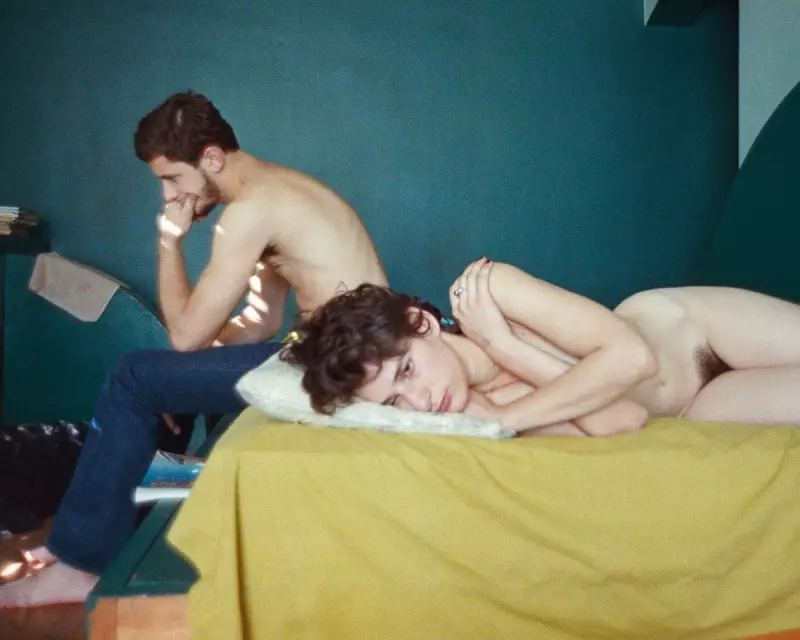
The artist's Nikon camera was a constant companion, so ever-present that her subjects often forgot its gaze. This allowed Goldin to document her 'adoptive family' of friends with unflinching intimacy. We see Robin smoking beneath a mirrorball, Suzanne crying in a tiled bathroom, and a man named Brian sitting pensively on a bed edge. A year after that particular image was taken, Brian would beat Goldin severely after reading her diary, a stark reminder of the real-world violence that underpinned some of these scenes.

An Electrifying Array of Human Experience
The exhibition offers no respite in its full-on presentation. Viewers lurch from images of a heart-shaped bruise and the scars of an ectopic pregnancy to scenes of people dancing, having sex, or playing Monopoly. There are waxwork royals from Coney Island, skinheads in a room with frightening wallpaper, and a man dressed as Napoleon on New Year's Eve. Each photograph, with its tantalisingly brief title, leaves the viewer on a brink, asking, 'What's the story?'
Goldin's work captures a specific, louche world of downtown New York and beyond, yet what strikes a contemporary audience is its surprising normality. The lives documented no longer seem marginal but recognisable, especially in an age of curated smartphone diaries. The difference lies in Goldin's uncanny ability to capture emotional texture and atmosphere, proving that not everyone with a camera can create images of such enduring resonance.
A Legacy of Intimacy and Observation
The Ballad begins with the Duke and Duchess of Windsor as waxworks and ends with graffiti skeletons embracing in a doorway. In between, it brackets a generation. The slideshow version, originally presented in nightclubs with a soundtrack featuring Maria Callas and Petula Clark, was a movie made from stills for her peers.
Today, in the hushed gallery space, the printed images command a powerful, silent attention. Goldin's camera consistently saw more than the photographer did in the moment, whether she was dancing, loving, or fighting. Her deceptive casualness yields a profound archive of innocence and experience, a ballad that continues to resonate with electrifying force for every new audience that encounters it.