Opera Booing Controversy Erupts at Royal Opera House Performance
A recent performance of Puccini's Turandot at London's Royal Opera House has ignited fresh debate about audience behaviour in UK opera circles, following audible booing from sections of the crowd. The incident occurred on Tuesday night when the celebrated aria Nessun Dorma was omitted from the third act, prompting a vocal reaction that has divided opinion within the classical music community.
The Incident That Sparked the Discontent
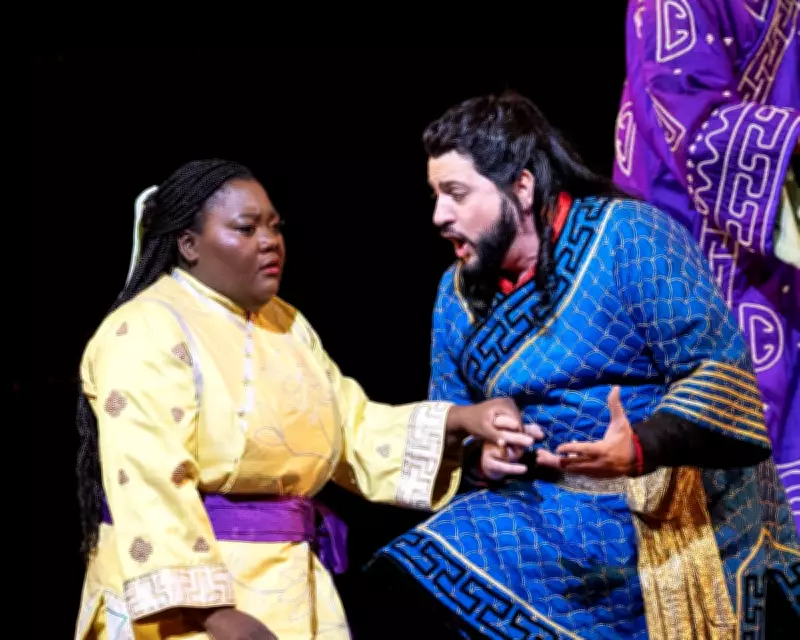
The evening's drama unfolded when tenor Roberto Alagna, performing the role of Prince Calàf, fell ill after the second act and was forced to withdraw from the performance. In a hastily arranged solution, the company's head of music, Richard Hetherington, sang from the wings while choreologist Tatiana Novaes Coelho performed the role on stage. However, the decision to proceed without Nessun Dorma – one of opera's most famous and technically demanding arias – proved controversial.
When the third act resumed without the beloved piece, audible boos echoed through the Covent Garden auditorium. While the reaction appeared harsh on the stand-in performers, opera historians suggest the displeasure was likely directed at the programming decision rather than the individuals involved. One social media commentator criticised the Royal Opera House for not having a replacement performer ready to deliver what many consider opera's signature aria.

Historical Context and Changing Audience Demographics
Opera historian Flora Willson notes that while booing has a long tradition in opera, particularly in countries like Italy, British audiences have historically been more restrained. "Audience demographics have changed hugely over the past two centuries," Willson observes. "In combination with broader shifts in audience behaviour in classical music – which saw audiences start to sit still and in silence throughout performances – opera audiences have generally become much, much less rowdy."
Willson points to historical precedents at Covent Garden itself, including riots in 1809 over ticket price increases and protests in 1840 concerning the non-hiring of star baritone Antonio Tamburini. In those days, theatres operated on subscription systems that fostered a strong sense of audience ownership and entitlement to voice complaints when their preferences weren't met.
Contemporary Perspectives on Audience Behaviour
John Berry, former artistic director of English National Opera, acknowledges that while booing remains uncommon in UK theatres compared to some European venues, he finds the practice "distasteful" when directed at singers. "Singers are human and sometimes they soldier on and sometimes their voice disappears completely within the hour," Berry notes. "Although very disappointing, these things happen – it's a live performance, not a film, that's what makes the whole experience of live theatre so powerful and unpredictable."
Former Guardian columnist and opera enthusiast Martin Kettle suggests that while booing can sometimes reflect passionate engagement with the art form, it often represents "an assertion of a reactionary and narrow view of what an opera ought to be like." Kettle recalls witnessing particularly cruel booing directed at a 12-year-old actor during a production of Handel's Alcina, an incident he describes as "just horrible."
The Perfect Storm of Circumstances
Flora Willson describes Tuesday night's incident as "an operatic perfect storm" of factors: the star power of Roberto Alagna, the popularity of Turandot as an introductory opera for newcomers, and the cultural significance of Nessun Dorma itself. "For better or worse, that one hit aria will have been the main reason some audience members wanted to see Turandot – and the idea that it could suddenly be cut mid-performance may have seemed outrageous," she explains.

Opera critic Tim Ashley expresses particular concern about what he terms "pantomime-type booing," where audiences boo villainous characters regardless of performance quality. Ashley witnessed this phenomenon during a Royal Opera House production of Madama Butterfly, when singer Marcelo Puente received boos during his curtain call despite delivering what Ashley considered "one of the most complete and convincing portrayals of the role to be heard for some time."
The Broader Cultural Context
Several commentators draw connections between changing audience behaviour and broader cultural shifts. Martin Kettle observes that "we live in an increasingly boorish culture" where social media's aggressive tone sometimes translates into physical venues. Willson compares opera audience reactions to football crowds, noting important differences: "But of course yelling and chanting in a football stadium doesn't actually prevent a game from continuing in the way that a wave of booing can disrupt an unamplified musical performance."
As UK opera houses continue to navigate changing audience expectations and behaviours, incidents like Tuesday night's Turandot performance highlight ongoing tensions between artistic tradition, audience entitlement, and the unpredictable nature of live performance. The debate continues about where the line falls between passionate engagement and disruptive behaviour in one of Britain's most cherished cultural institutions.