Nestled within the larger town of Ayr on Scotland's scenic west coast lies Alloway, a location of profound literary significance that has evolved from a picturesque village into a modern suburb while preserving its remarkable heritage.
From Tranquil Village to Historic Suburb
Originally a charming, independent village, Alloway was officially merged with the Royal Burgh of Ayr in 1935, transforming it into a suburb with a population of approximately 46,982. Despite this administrative change, the area has diligently maintained its unique character and historical connections, making it a must-visit destination for literature enthusiasts and history buffs alike.
The Birthplace of Scotland's Bard
Alloway holds the distinguished honour of being the birthplace of Robert Burns, Scotland's national poet whose works continue to captivate readers worldwide. The humble cottage where Burns was born has been meticulously preserved and remains under the protection of the National Trust, allowing visitors to step back in time and experience the environment that shaped the young poet.

Adjacent to this historic dwelling stands a dedicated museum that houses early manuscripts and works by Burns, offering admirers a fascinating glimpse into his creative process and literary development.
Literary Inspiration Comes to Life
Perhaps most significantly, Alloway served as the direct inspiration for Burns' celebrated narrative poem Tam o' Shanter, composed in 1790. This vivid tale follows the drunken escapades of its titular character as he journeys home on horseback through a tempestuous night, encountering witches and warlocks engaged in supernatural revelry.
Landmarks That Shaped a Masterpiece
The poem prominently features several Alloway landmarks that visitors can still explore today. The Auld Kirk church, where Burns' father William Burnes is buried, plays a crucial role in the narrative and has been enhanced with atmospheric green lighting after dark to recreate the spectral ambience described in the verses.
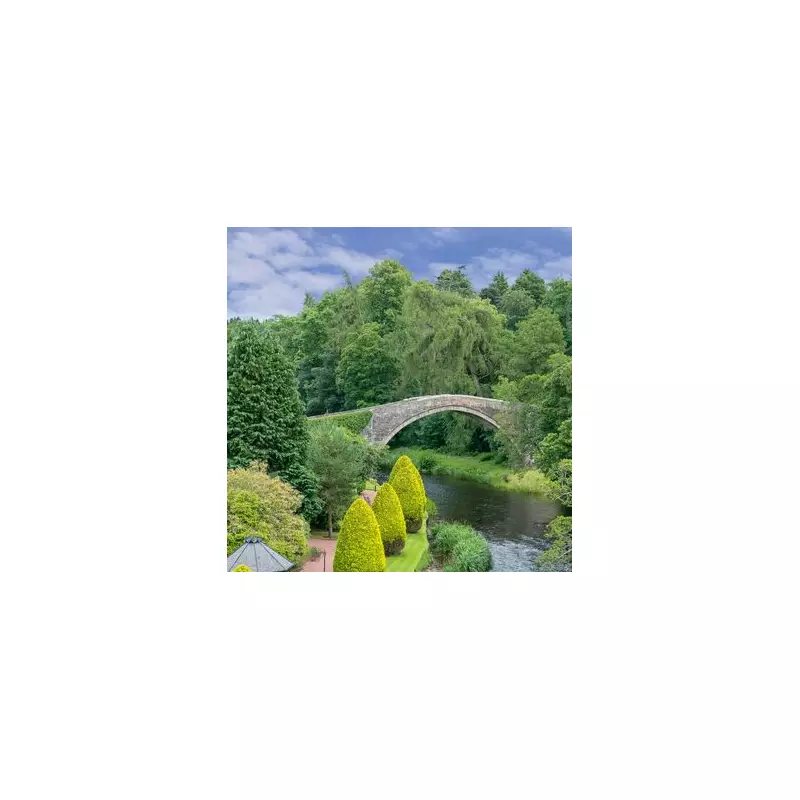
Nearby, the medieval bridge mentioned in the poem stands as another tangible connection to Burns' creative world, while a poignant 19th-century memorial crafted by Thomas Hamilton commemorates the poet at the village's base beside the historic church.
Enduring Legacy and Modern Appeal
Each year on January 25th, Burns Night celebrations draw Scots and international admirers to honour the poet's legacy, with many making pilgrimages to Alloway to connect with his origins. Recent visitors have shared enthusiastic reviews, with one TripAdvisor contributor noting: "These church remains are so atmospheric and enchanting. Often you can find yourself alone there and have a real good look at all the gravestones. You can see where Burns got his inspiration for part of the setting of Tom O Shanter."
Another local visitor remarked: "Even though I have lived most of my life in Burns Country and live less than 20 minutes away, this was the first time I have visited the museum and cottage. Really enjoyed the experience, especially the museum displays, but the real highlight was the cottage. Big shout out to the guide, very friendly and informative."
Preserving Cultural Heritage
Despite its transformation from independent village to suburban district, Alloway has successfully maintained its literary heritage while integrating with modern Ayr. The area represents a remarkable case study in cultural preservation, demonstrating how historical significance can be maintained alongside urban development.
As efforts continue to potentially secure city status for Ayr, Alloway remains a cornerstone of the region's cultural identity, offering visitors a unique opportunity to walk in the footsteps of one of literature's most enduring figures and experience the landscapes that inspired some of the English language's most memorable poetry.