Samurai Exhibition Review: Lethal Warriors Revealed in British Museum Show
The British Museum in London presents an extraordinary exhibition that brings Japan's pre-modern warrior elite vividly to life. Samurai armour takes centre stage in this scintillating journey through a world of gore, power and artistic beauty, with visitors encountering suits that seem almost inhabited by the ghosts of warriors past.
Theatrical Armour and Demonic Presence
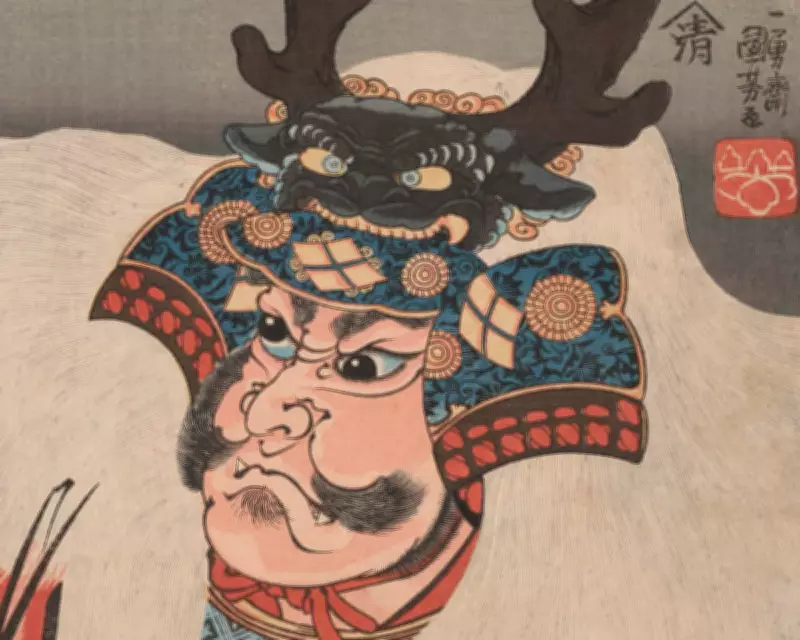
Walking through the exhibition, one cannot help but feel the electric presence of these historical warriors. The armour on display is remarkably vital and intense, featuring grimacing black face masks with distinctive moustaches alongside full-body metal and fabric plating. Helmet crests incorporate eagles, dragons, goblins and even a clenched metal fist emerging from one warrior's head, creating an overwhelming sense that these suits contain living presences rather than mere historical artefacts.
This transformation through armour was fundamental to samurai identity. The metal mask became their public face, their carapace transforming them into something other than human. While similar concepts existed elsewhere - from Viking berserkers to European knights - no culture invested quite as much creativity into blood-lust as Japan did between the 13th century and the abolition of the samurai class in the 1800s.

Diplomatic Gifts and Battle Scenes
One particularly striking exhibit has been lent by the Royal Collection: armour originally gifted to James VI of Scotland and I of England by a son of the second shōgun of the Tokugawa dynasty. Crafted from lacquer, silk, deerskin and metal, this opulent creation pulses with menace and mystery, serving as a clear diplomatic warning to Britain about the consequences of conflict with Japan.
The exhibition's painted screens, scrolls and books vividly depict samurai armies in action. One battle scene by Imamura Zuigaku Yoshitsugu shows a rider studded with arrows that harmlessly lodge in his thick armour, while his unprotected horse bleeds from an arrow wound near its heart. Nearby, a warrior lies in glorious armour rendered useless by decapitation, demonstrating the practical purpose of the elegant, curved blades displayed throughout the exhibition.
Beyond Warfare: Art, Nature and Pleasure
While honouring the art of war, the exhibition also embraces love and peace within samurai culture. Visitors encounter the warlord with a song in his heart through Kano Eishun's 19th-century painting of a samurai taking time to smell orange blossoms while riding. Samurai nobles were prestigious clients of Edo's pleasure quarter, as shown in Chōbunsai Eishi's 1790s handscroll Twelve Erotic Scenes in Edo, which depicts a samurai making love to a courtesan while women caress his unsheathed sword in the foreground.
This perverse shunga art piece captures the exhibition's central appeal: samurai warfare was violent yet theatrical, cruel but glamorous, lethal but undeniably sexy. Before a samurai blade could slice its victim, their demonic appearance held observers transfixed.
The End of an Era and Modern Echoes
The exhibition creates a sense of loss as visitors reach the section documenting the abolition of the samurai elite during Japan's 19th-century modernisation. Photographs of the last samurai seem to show something wondrous passing from the world, especially as 20th-century mechanised warfare left no place for myth or chivalry. The rituals and costumed theatrics of feudal societies became irrelevant, particularly after the atomic bombs dropped on Hiroshima and Nagasaki.
The exhibition's finale includes a lifesized Darth Vader presented as a modern-day samurai, though many visitors may find this less compelling than the historical originals. More significant is the display on Yukio Mishima, whose novels explored samurai violence and passion in a modern context before his traditional seppuku suicide.

Artistry in Steel, Silk and Lacquer
Ultimately, the samurai emerge as far more than mere killers: they were patrons of the arts, sensitive to nature, and masters of civilised ways. Yet the exhibition's most powerful elements remain the empty suits that seem inhabited by warrior ghosts. These portraits in steel, silk and lacquer represent the most expressive artistry on display, embodying a merciless truth about the human condition and what it can become under extreme circumstances.
The British Museum's Samurai exhibition runs in London from 3 February to 4 May, offering visitors an extraordinary encounter with Japan's warrior elite through their armour, art and enduring cultural legacy.