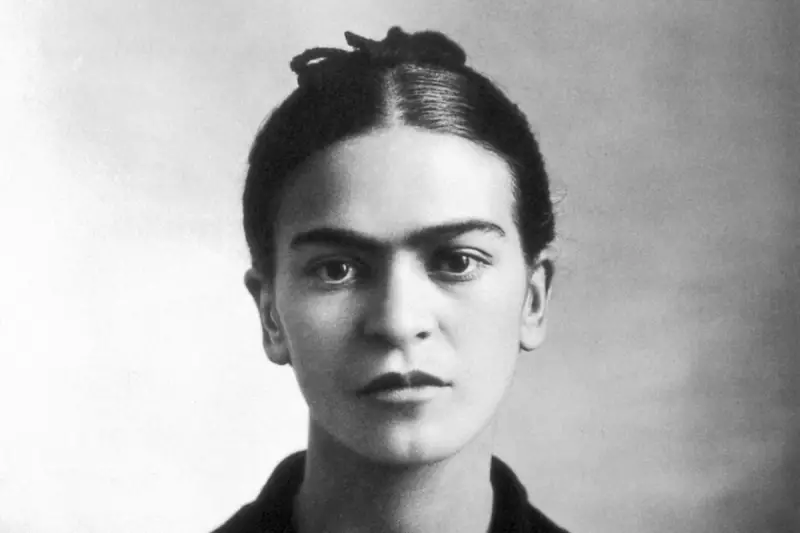
Curators at London's Tate Modern are confronting substantial obstacles in assembling paintings for a major new Frida Kahlo exhibition, as unprecedented demand for the Mexican artist's work creates fierce competition for her most valuable pieces.
Exhibition Scale Reduced Amid Borrowing Difficulties
The forthcoming exhibition, titled Frida: The Making of an Icon and scheduled to open in June, will feature just 36 works by the celebrated painter. This represents a significant reduction from the institution's previous Kahlo retrospective in 2005, which successfully displayed over 50 of her artworks.
Record-Breaking Auction Prices Complicate Loans
Among the notable absences from the upcoming show is Kahlo's 1940 self-portrait El sueño (La cama), which achieved a landmark auction price of £41.8 million last November. This sale established a new record for the most expensive work by a female artist ever sold at auction.

Tate curator Tobias Ostrander revealed to The Times that while efforts continue to secure this painting for the exhibition, the prospect appears increasingly unlikely given its extraordinary market value and current ownership situation.
High-Profile Collectors Decline Loan Requests
Pop icon Madonna has reportedly resisted the Tate's attempts to borrow her substantial collection of Kahlo paintings, which includes five significant works such as My Birth and El venado herido (The Wounded Deer). This represents a notable shift from her previous cooperation, as Madonna had willingly loaned pieces for the 2005 exhibition.
"In general the works were very specifically chosen to address certain themes but you know, there are ones we have tried for that people won't loan," Ostrander explained. "Madonna is someone who did loan in 2005 but won't loan now, for example."
Broader Cultural Context and Lasting Influence
Despite these borrowing challenges, the exhibition will position Kahlo's work within a comprehensive cultural framework, featuring creations by more than 80 artists who have been profoundly influenced by her distinctive style and powerful personal narrative.
A dedicated section will examine the phenomenon of "Fridamania" and the extensive commercialisation of the artist's iconic image across global markets. Visitors will still encounter several of Kahlo's most renowned paintings, including Untitled (Self-Portrait with Thorn Necklace and Hummingbird) and Self-Portrait in a Velvet Dress.
From Modest Recognition to Global Icon Status
Frida Kahlo, who lived from 1907 to 1954, experienced only moderate artistic recognition during her lifetime but has since been elevated to legendary status as one of the twentieth century's most significant and influential artists.
The 2002 biographical film Frida, starring Salma Hayek, significantly amplified public interest in Kahlo's complex life, revolutionary art, political activism, and turbulent marriage to fellow artist Diego Rivera.
Madonna has frequently expressed her profound admiration for Kahlo's work, telling Vanity Fair in 1990: "If somebody doesn't like this painting [My Birth], then I know they can't be my friend." This personal connection makes her current reluctance to loan works particularly noteworthy within the art community.
The exhibition challenges highlight how Kahlo's extraordinary posthumous popularity and the soaring financial value of her paintings are creating unprecedented difficulties for major institutions seeking to present comprehensive retrospectives of her groundbreaking work.