Archaeologists have made a remarkable discovery at a former Maya capital in Guatemala, unearthing a unique, mosaic-style board game that offers a fresh window into ancient leisure and social practices.
A Game Frozen in Time
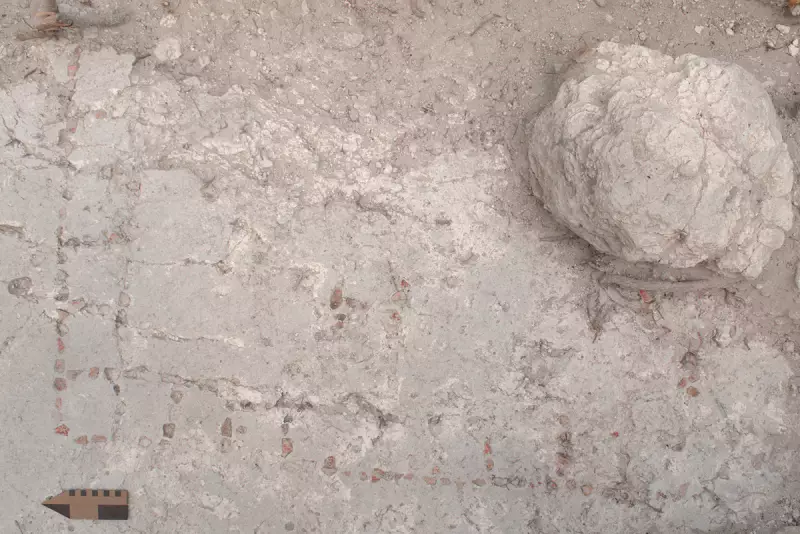
The find was made at the site of Naachtun, located in northern Petén, which once served as a significant regional capital for the Maya civilisation. Researchers uncovered a board game intricately carved into the ground and constructed from small red mosaic tiles. These tiles are believed to have been sourced from broken ceramic vessels. Crucially, parts of this remarkable artefact have been dated to the fourth century AD, placing its creation firmly in the ancient world.
The Rarity of the Mosaic Design
This is no ordinary game board. The use of a mosaic technique for a floor feature is described by researchers as "exceptionally rare" in Maya architecture. While portable items decorated with mosaic in materials like jade or shell are known, a floor mosaic from this period in the Western Hemisphere is unprecedented. The team, publishing their findings in the journal Latin American Antiquity, state that to their knowledge, no clear example exists before the colonial period.

The board itself, though partially destroyed, is estimated to have been originally nearly 78cm wide and 110cm long. It was composed of an estimated 45 squares, created from 478 individual tile sections. The sophistication of the construction suggests the board was a permanent architectural feature, integrated into the design of a city space from its inception, rather than a temporary playing surface.
Insights into Ancient Patolli
The game is identified as a version of Patolli, one of the oldest known strategy board games in the Americas, reminiscent of ludo. Played by the Aztecs and earlier Mesoamerican cultures like the Maya, it typically involved a cross-shaped track of 52 spaces and used marked beans as dice, often incorporating an element of gambling.
However, precisely how the Maya engaged with Patolli has been unclear. This discovery provides vital clues. The durable mosaic construction hints at a "longer use life" than simply etched or painted boards, suggesting it was a fixture for sustained play. Its presence in a major urban centre like Naachtun also points to the game's social and possibly ritual significance, drawing parallels with other sports and communal activities in the region.
This first-of-its-kind find not only highlights the artistry of the Maya but fundamentally changes our understanding of how such games were embedded into their daily life and urban landscape, offering a tangible connection to the pastimes of a vanished world.