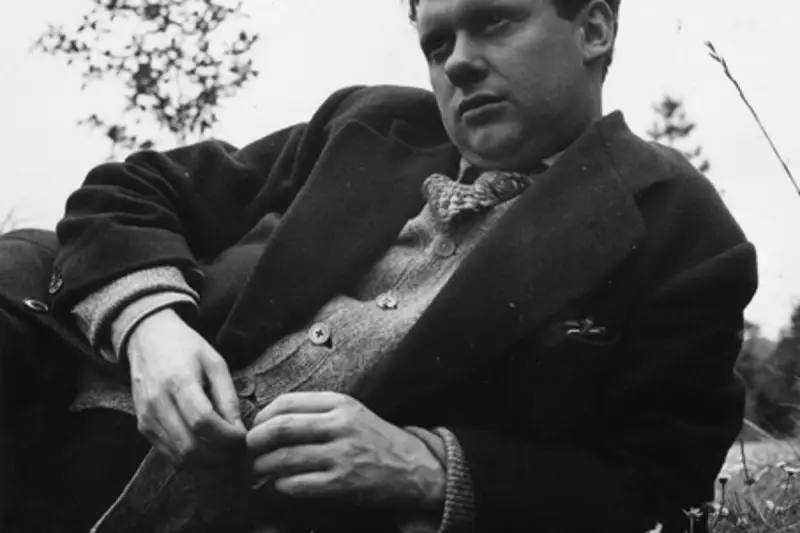
A startling new claim has emerged that could reshape the legacy of one of Wales's most celebrated literary figures. A publisher and translator alleges that the young Dylan Thomas was a serial plagiarist, lifting the work of other poets to pass off as his own during his school years.
Audacious Rip-Offs in School Publications
According to Alessandro Gallenzi, an Italian translator and publisher, the poet's early forays into verse were far from original. Gallenzi has identified what he calls "audacious rip-offs" in at least a dozen poems. His research indicates that 10 poems published in Thomas's school magazine, along with two more that appeared in The Herald of Wales, were stolen from other authors.
One of the poems in question, titled 'His Repertoire', is said to have been taken "almost verbatim" from popular periodicals of the era, such as the Boy's Own Paper. This suggests the teenage Thomas had access to these publications and used them as a direct source for his supposed compositions.

The Motive: A Quest for Paternal Approval?
Gallenzi has also proposed a potential motive behind the young poet's actions. He suggests that Thomas, whose father was an English teacher at the same school he attended, may have been driven by a deep-seated desire for recognition and approval from his father. The pressure to impress a literary-minded parent in a competitive school environment could have led him down the path of plagiarism.
These explosive findings are not being buried. They are set to be included in a forthcoming new edition of Thomas's collected poetry, ensuring they become a permanent part of the scholarly conversation surrounding his work.
Revolutionising the View of a Poet's Formative Years
The implications of this discovery are significant for literary historians and fans of Thomas's work. Gallenzi believes the evidence will "revolutionise our thinking" about the poet's formative years and his early creative output. It paints a picture of a talented but insecure young man, already grappling with the immense pressures of literary creation, who resorted to copying to make his mark.
While the later, mature works of Dylan Thomas—such as the immortal 'Do Not Go Gentle Into That Good Night'—remain undisputed masterpieces, this revelation casts a new and complex light on his origins. It transforms the narrative from one of pure, budding genius to a more human story of ambition, influence, and the rocky road to finding an authentic voice.