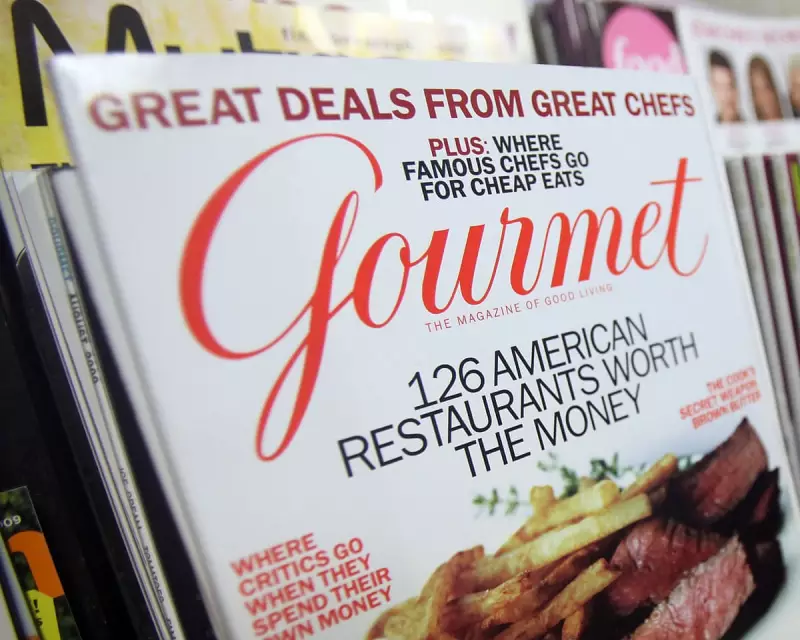
In a remarkable comeback story for the publishing world, the legendary Gourmet magazine is set to return to readers' inboxes, sixteen years after its shock closure by media giant Condé Nast. This revival, however, carries a distinctly modern twist: the publication is being reborn as a worker-owned cooperative, launched by a group of five food journalists who seized the opportunity after the original trademark lapsed.
A Dream Revived for a New Generation
For many in the food writing community, the closure of Gourmet in October 2009 felt like a profound loss. Amiel Stanek, one of the new venture's founders, vividly remembers the moment. He shared a subscription with his university roommates and had long dreamed of writing for the title. "I was beside myself," Stanek recalled. "It was like hearing your hometown baseball team had been traded away."
That sense of loss was widely shared. Elazar Sontag, food critic at the Washington Post, noted the magazine's enduring influence. "That magazine just looms so large for multiple generations of writers and editors," Sontag said. "I think a lot of us had almost a physical reaction to just seeing even a version of Gourmet come back to life."

Building on a Legacy of Culinary Excellence
For nearly seven decades, Condé Nast's Gourmet was the undisputed pinnacle of food journalism. It published work from culinary icons like Madhur Jaffrey and James Beard, alongside essays and fiction from literary giants including David Foster Wallace and Annie Proulx. Its recipes were renowned for being meticulously tested and often gloriously elaborate.
Journalist and author Ella Quittner explained how the magazine shaped her understanding of hospitality. Gourmet remains a family benchmark for something exceptionally lavish. Quittner pointed out that today's food media often prioritises quick, simple recipes, creating a gap for the kind of immersive, luxurious cooking Gourmet championed. "As someone who loves food, I’m excited at the prospect of them bringing back something like the all-day culinary project," she said.
A New Model for a New Media Landscape
The revived Gourmet is part of a growing trend of worker-owned cooperatives in media, joining outlets like Defector and 404 Media. This model, where the journalists also manage and own the business, was a natural choice for the five founders. "We’re in a really special, weird time of media, with a lot of pain but also a lot of opportunity," Stanek observed.
This structure allows for a nimble, collaborative approach. Instead of chasing mass appeal, the new Gourmet aims to serve a dedicated niche of people who genuinely love spending time in the kitchen. Contributor Jaya Saxena endorsed this strategy: "Rather than trying to get to a point where every single person is reading your publication, it seems much smarter to try to talk to people who actually care about the subject."
The team is under no illusion about the scale needed for success. "We don’t need a million subscribers in order to make this thing," Stanek stated plainly. The publication plans to send out at least two newsletters per week and has already begun publishing, with the founders collaboratively editing and refining each other's work.
While deeply respectful of the magazine's storied past, the founders are not confined by it. Co-founder Nozlee Samadzadeh emphasised that nostalgia would not dictate their content. "The nostalgia does not mean that we are trapped into only doing the things that have been done before," Samadzadeh explained. Together, they are building a fresh iteration of a classic, hoping to capture the playful, irreverent, and deeply knowledgeable spirit that made the original so beloved.