The Day Margaret Atwood Saved an Interview
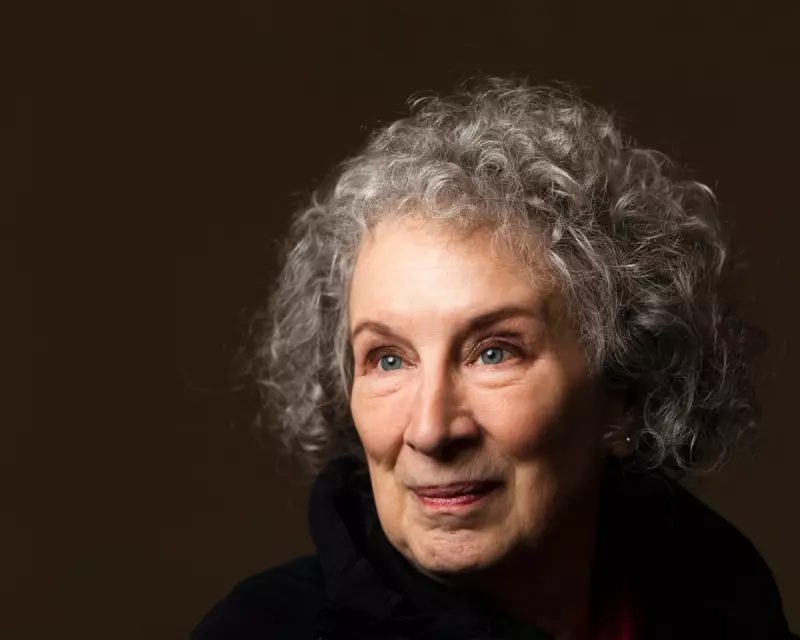
A recent Guardian interview with Margaret Atwood, noting her reputation for 'eviscerating interviewers', prompted writer Barbara Esstman to finally share a story of gratitude from over two decades ago. In September 2000, Esstman found herself in a daunting position: she was the last-minute replacement to interview the famed author at the prestigious Smithsonian Institution in Washington DC.
The regular interviewer had reportedly 'chickened out', intimidated by Atwood's formidable reputation. Esstman, who had never conducted an interview before and was in the midst of moving house, reluctantly agreed. She admits she had 'no business agreeing to anything but unpacking', unsure even where her appropriate clothes were packed.
A Conversation Saved by Compassion
The event began promisingly. Esstman opened by sharing a friend's hilarious account of a previous Atwood appearance, where the author had been tough on pompous figures but exceedingly kind to new writers. The audience at the Natural History Museum roared with laughter and appreciated this show of compassion. However, after this initial success, Esstman's confidence evaporated. She stumbled through a single 'lame question' and realised she was completely out of her depth.
Fearing a literary evisceration, she pictured Atwood 'strewing my bones across the stage'. Instead, a miracle occurred. With complete grace, Margaret Atwood took over the derailed interview. She seamlessly transformed the awkward situation into a 'genuine and lovely conversation about writing novels'. The audience was captivated, and many afterwards complimented Esstman on a wonderful interview, unaware of the backstage drama. Esstman was quick to credit Atwood, stating the author had 'saved my sorry skin'.
The Norfolk Roots of a Dystopian Masterpiece
In a separate letter responding to the same interview, reader Jane Crossen from Sheringham, Norfolk, expressed fascination with a specific detail about Atwood's creative process. The interview revealed that The Handmaid's Tale was conceived partly during a winter spent in a fisherman's cottage in Blakeney, Norfolk, in 1983.
The conditions were so grim that Atwood abandoned the novel she was working on at the time. Her family subsequently left for West Berlin, where she began writing the novel she had been 'putting off' because she found the concept 'too weird'. Crossen wonders which specific cottage hosted the author, suggesting a blue plaque would be a significant tourist attraction, and seeks more details on why Atwood was in Blakeney in the first place, hoping her then-forthcoming autobiography might provide answers.
These letters collectively paint a picture of Margaret Atwood not just as a literary giant, but as a figure of unexpected kindness and a writer whose most iconic work has surprising geographical origins. The memory of that salvaged conversation in Washington remains a warm and enduring one for the journalist who lived through it.