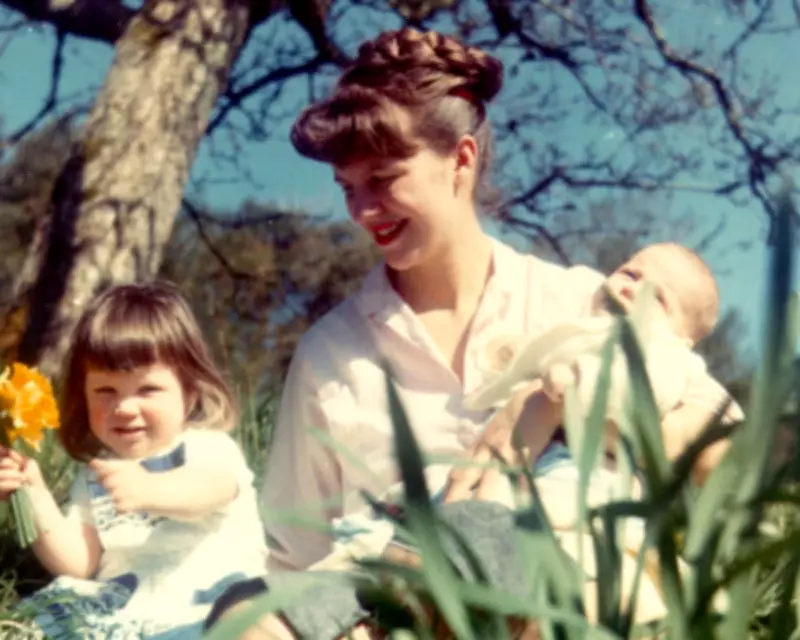
In February 1962, Sylvia Plath visited her Devon neighbour, Rose Key, bearing a plate of Black Walnut-flavoured cupcakes made from a Betty Crocker mix. This seemingly mundane act belied a period of intense productivity and self-reinvention for the poet, who is often narrowly framed as a tragic icon or victim of domesticity. A forthcoming collection, The Poems of Sylvia Plath, set for release by Faber in May, promises to illuminate this radical phase, showcasing her work's acceleration from 1959 onward.
A Multifaceted Life in Devon
Shortly after giving birth to her second child, Plath immersed herself in a whirlwind of activities. She baked elaborate six-egg sponges, took language lessons in Italian, German, and French, and wrote an experimental poem for the BBC Third Programme titled Three Women. Her domestic efforts included sourcing rugs for her new house, having floors cemented to avoid dirt, and expressing interest in woodwork classes. In a letter to her former psychiatrist, Ruth Barnhouse Beuscher, in October 1962, Plath ruefully noted, "My trouble is that I can do an awful lot of stuff well."
Domesticity and Artistic Critique
Plath's embrace of domesticity was complex, often satirised in her writing. She claimed to feel "a gag down my throat" when domestically happy, as she told poet Ruth Fainlight in October 1962. Yet, that same month, she hand-painted labels for twelve pots of honey from her first beekeeping summer. This duality reflects her position between decades, with the 1950s clinging on through habits like listening to Beethoven records, while the 1960s dawned with cultural shifts like the first Bond film and the Beatles' debut single.

Poetic Breakthrough in Autumn 1962
In early October 1962, Plath rapidly composed the "bee sequence" of poems, part of the Ariel manuscript left on her desk at her death. This period coincided with what social historian David Kynaston identifies as the start of "the 'real' Sixties." Plath's work from this time, such as The Applicant and Lady Lazarus, subverted domestic tropes with scathing satire and resourceful personas. She wrote to Beuscher, "Every thing I read about, hear, see, experience or have experienced is on tap, like a wonderful drink. I can use everything."
Clarity and Control
Plath's thinking was crystal clear: "I want my career, my children and a free supple life." She meticulously edited her poems, hardening language to control and manipulate experience, distancing herself from purely confessional poetry. By November, she enjoyed a shopping spree in Exeter, got a fashionable haircut, and felt buoyant about returning to London. In Primrose Hill, she embraced a 1960s aesthetic with straw Hong Kong chairs and rush matting, writing to her mother, "Life is such fun."
Challenges and Legacy
However, a harsh winter brought difficulties: flu outbreaks, frozen pipes, and unfinished floor painting. Her poems grew increasingly surreal, and in a final letter to Beuscher on 4 February 1963, she noted, "Poems very good, but, I feel written on the edge of madness." Ted Hughes's 1965 editing of Ariel altered her intended triumphant conclusion, blurring her legacy into a more biographical, sombre narrative. The restored edition, published 22 years ago, and the new complete collection aim to reclaim her pioneering direction, evident in works like Totem and Balloons.
Enduring Confidence
Despite self-doubt, Plath never questioned her work after October 1962, confident in her achievements even when editors rejected her poems. At age 26, she wrote in her journal, "Writing is a religious act... it goes about on its own in the world." This perspective underscores her belief in art's independent life, beyond personal struggles.