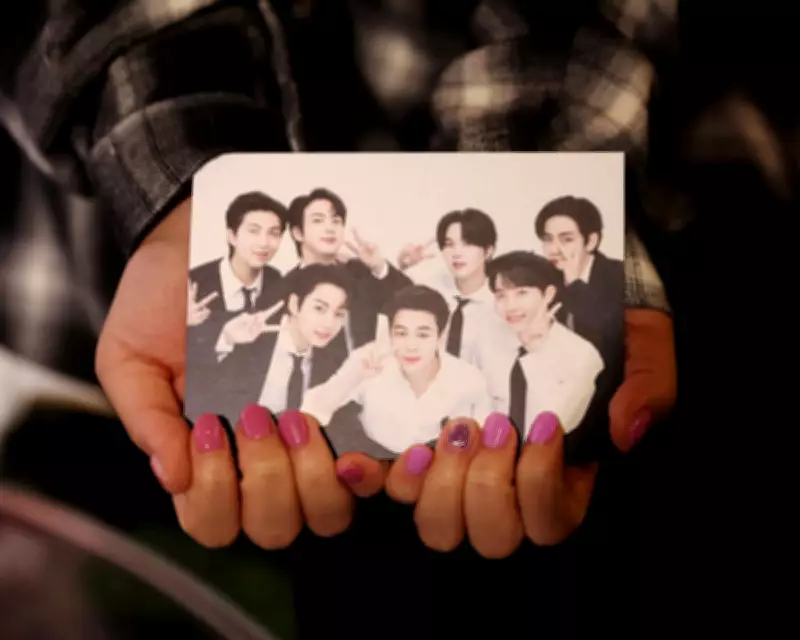
From Secret Obsession to Open Celebration: The BTS Fandom Journey
When news broke that global phenomenon BTS would be releasing their comeback album Arirang, writer Aastha Agarwal found herself transported back to her teenage years. "It pulled me back into a past version of myself," she writes, "one that was all-consuming in its obsession, but equally marked by shame."
The Art of Hiding Passion
At just fourteen years old, Agarwal had perfected what many teenage girls master: the discreet art of concealing her interests. "I had mastered the art of lowering my screen brightness and switching tabs to hide my shameful secret," she recalls. While schoolboys gathered openly around computers watching cricket matches at full volume, she remembers no similar gatherings of girls openly enjoying BTS or One Direction music videos.
Those viewings happened in private spaces—during late-night Skype calls or huddled over a shared laptop on the back bench of a classroom. "To hide an obsession is so common among teenage girls," Agarwal observes, "an attempt to block a clear avenue to ridicule."

Agarwal poses crucial questions about this gendered dynamic: "Why was obsession a sin only girls could commit? Why is displaying genuine emotion so quickly misconstrued as parasocial attachment or unhealthy dependence?" She notes the double standard where young men's passions rarely face the same scrutiny or judgment.
Finding Solace in Difficult Times
Now looking back with what she describes as "so much softness" rather than cringe, Agarwal recognizes how her BTS fandom provided essential emotional support during challenging transitions. When she moved to Melbourne alone at seventeen for university, knowing no one in a new city, BTS content became her anchor.
"BTS had an entire universe of content: variety shows, live performances, interviews, lore embedded in music videos," she explains. "Whole storylines you could get lost in. And I did."
During difficult days working early shifts at McDonald's where she faced inappropriate comments, then heading straight to classes feeling isolated and underage in a new city, BTS content gave her something to anticipate. "Sometimes the only thing that kept me going was knowing I could watch a new performance later," she confesses.
Fandoms as Creative and Social Catalysts
Beyond emotional support, Agarwal discovered that fandoms foster remarkable creativity and community. "These artists and idols exist within curated creative worlds," she notes, "complete with aesthetics, eras and lore." This environment encourages experimentation through fan art, fan fiction, edits, translations, and merchandise creation.
For Agarwal personally, this creative space sparked her earliest experiments in writing. Socially, it helped forge lasting connections. "Some of my closest friendships began on dating apps," she reveals, "where we recognised each other's fandom references in bios."
A Return to Fandom with New Perspective
While Agarwal has grown beyond her most intense fandom period, she approaches it with fondness rather than embarrassment. "It holds a special place in my heart and in my development as a person," she reflects.
With Arirang arriving and a world tour announced for next year, she anticipates temporarily returning to that passionate seventeen-year-old self—staying up late to stream new releases, refreshing presale links, and queuing eagerly for VIP tickets. This time, however, she'll do so without the shame that once accompanied her enthusiasm.
Agarwal's journey represents a broader cultural shift where young women increasingly embrace their passions openly, recognizing that what society once dismissed as "obsessive" often represents healthy emotional engagement, creative expression, and community building during formative years.