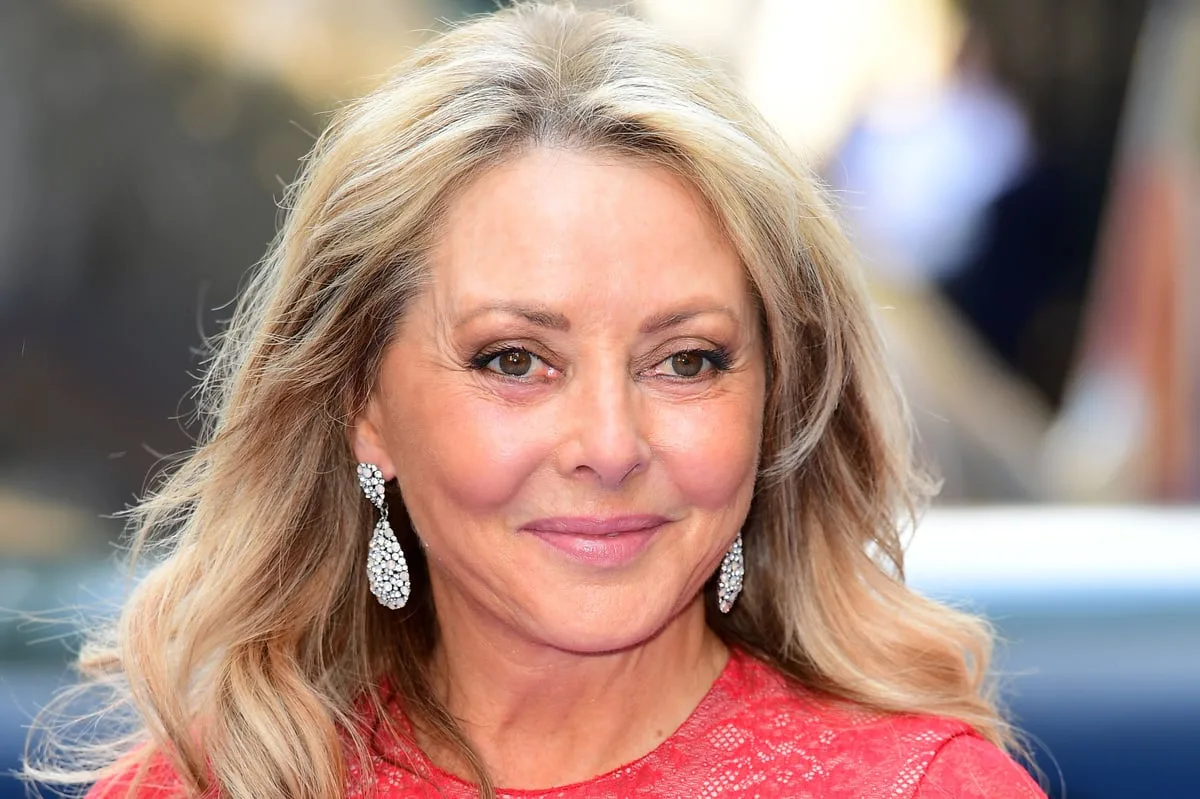
Carol Vorderman has taken aim at “controversial decisions by BBC management” following the Huw Edwards scandal. The former Countdown star, 63, was given a standing ovation after she delivered the Alternative MacTaggart lecture at the Edinburgh TV Festival on Friday.
Vorderman described herself as having been on thousands of TV shows over decades, “sacked by the BBC – twice – pain in the arse, lover of parties, post-menopausal”, adding she was standing “in anger and without apology” at the media event. She claims she was “sacked” by the corporation with “no conversation to be had” after it introduced new social media guidelines she did not agree with.
She said “trust in the BBC is declining”, which she said was understandable because of the way “people feel after so many controversial decisions by BBC management”. Vorderman referenced former news presenter Edwards, who pleaded guilty to making child sex abuse images following his resignation in April. The corporation was aware police had arrested him in November, during his suspension over an unrelated matter.

She cited Match Of The Day host Gary Lineker’s tweets about the previous government’s immigration policy which led to him briefly being removed from the programme, as well as the departure of BBC chairman Richard Sharp over questions about his role in then-prime minister Boris Johnson getting an £800,000 loan guarantee.
Vorderman also called television “a mess”, citing Ofcom figures showing less than half of young people watch live television in the average week. She added: “Politics, arrogance, snobbery, leads to disillusionment. … After 14 years of austerity and lying by the privileged political class, this country is in an absolute mess and the TV industry must accept part of the responsibility for that too, including the riots.”
The maths expert, who grew up in poverty in Wales, said “working-class people feel they are not represented” and have increasingly turned to social media. She cited research finding under 10% of people from the TV, video, radio and photography sectors were from working class backgrounds last year.