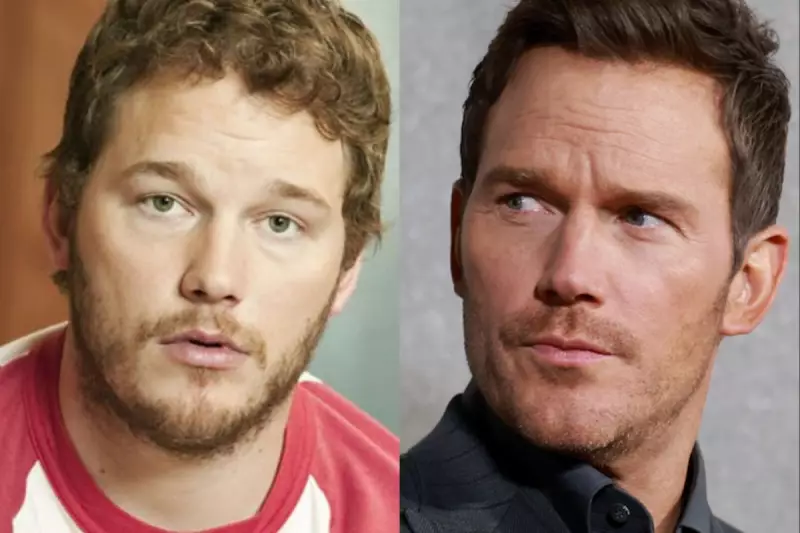
Hollywood star Chris Pratt has opened up about his unconventional path to fame, revealing a deliberate strategy he employed during his early career on the hit sitcom Parks and Recreation. The actor, now globally recognised for his roles in major franchises, has disclosed that he intentionally gained a significant amount of weight to secure more laughs and establish his niche in the industry.
From Sitcom Buffoon to Action Hero
In a candid interview with The Independent, Pratt reflected on his remarkable career trajectory, describing himself as representing "the underdog who made his way to success". The actor, currently promoting his new thriller Mercy, shared insights into his early professional struggles and the pivotal moments that shaped his journey from television comedy to blockbuster cinema.
The Weight Gain Revelation
Pratt revealed that during his time portraying the lovable fool Andy Dwyer on Parks and Recreation, he consciously gained between 30 to 40 pounds. He discovered that as he transformed into what he described as a "slightly more clownish, fatter, sweatier" version of the character, the comedic response from audiences noticeably increased.

"I slowly realised the more I morphed, I was getting more laughs," Pratt explained. "That's when – as I was still trying to navigate my career and pay the bills – I thought, 'Maybe this is the niche, maybe this is how I get paid, to play this guy.'"
Early Career Challenges
The actor's revelation comes alongside admissions about his initial career frustrations. Despite auditioning for leading man roles early on, Pratt found himself repeatedly cast as what he termed "deadbeat boyfriends" in films like Bride Wars and Jennifer's Body (both 2009).
He described these roles as typically involving characters who would quickly become audience antagonists: "The guy who in the movie they're like, 'Hey man, welcome to the OC' and then I get kicked and the audience are like, 'Yeah! I hate him.' Those were the roles I was getting."
A Turning Point in Television
Pratt's fortunes began to change with Parks and Recreation, though initially his character was written as a temporary guest role. The producers were so impressed with his performance that they rewrote him into the main cast. The actor soon discovered that leaning into Andy Dwyer's buffoonish qualities – enhanced by his physical transformation – resulted in better audience reception.
Breaking Type with Dramatic Roles
Between seasons of the sitcom, Pratt secured roles in two critically acclaimed dramatic films that helped shift industry perception: Bennett Miller's baseball drama Moneyball (2011) and Kathryn Bigelow's political thriller Zero Dark Thirty (2012).
"No one said, 'What is that dude doing there?'" Pratt recalled of these transitions. "It felt like it worked, and at that moment, I thought, 'Maybe now I've got a little bit of experience; there's an avenue to chase this thing.' So I had more belief in myself after that."
The Physical Transformation to Stardom
One year before Parks and Recreation concluded, Pratt underwent another dramatic physical transformation – this time in the opposite direction. After winning the role of Peter "Star-Lord" Quill in James Gunn's Guardians of the Galaxy, he reshaped his physique for Marvel's cinematic universe.
This led to appearances in three Guardians films, two Avengers movies, and cemented his action hero status with the lead role in 2015's Jurassic World. The journey from intentionally gaining weight for comedy to achieving peak physical condition for action roles illustrates Pratt's remarkable professional adaptability.
Embracing the Underdog Narrative
During his interview, when co-star Rebecca Ferguson suggested he didn't represent the underdog success story, Pratt firmly disagreed: "No, I think I do!" This exchange highlights how the actor views his unconventional path through Hollywood – from weight-gain strategy for sitcom laughs to becoming one of cinema's most bankable leading men.

The revelations provide fascinating insight into the calculated career moves behind what might appear as accidental stardom, demonstrating how strategic choices about physical appearance can shape an actor's trajectory in the competitive entertainment industry.