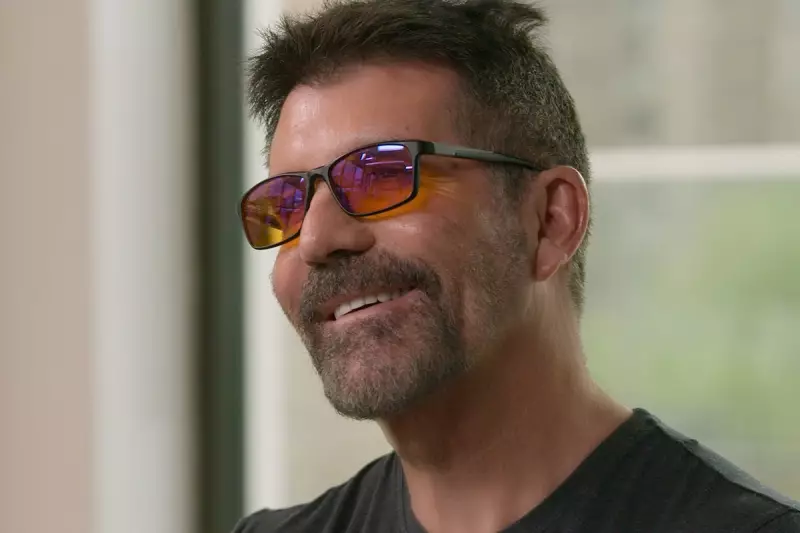
Music mogul Simon Cowell has publicly addressed long-standing criticisms about the level of support offered to contestants on his hit show, The X Factor. Speaking on a popular podcast, Cowell insisted the production "always tried" to look after its artists, as discussions around mental health and duty of care in reality TV intensify.
Podcast Comments Spark Debate
During an appearance on The Rest Is Entertainment podcast, Cowell acknowledged that the focus on mental health and a show's responsibility towards its participants has grown significantly over the years. His comments come in the wake of several high-profile revelations from former contestants about their difficult experiences after appearing on the programme.
Jade Thirlwall of Little Mix is among those who have spoken out about facing mental health challenges following her time on the show. More starkly, Katie Waissel, a contestant from the 2010 series, has claimed the experience "ruined my life". Waissel has since retrained as a lawyer and is pursuing legal action against Cowell and his former company, Syco Entertainment.

Production Company's Stance on Welfare
In response to the ongoing controversy, Fremantle, the co-producers of The X Factor, have issued a statement defending their protocols. The company stated they have "robust measures" in place to protect contestants.
These measures reportedly include a dedicated welfare team available to all participants. Furthermore, Fremantle emphasised that their aftercare support for contestants comes with no time limit, suggesting assistance remains available long after the cameras stop rolling.
A Changing Landscape for Reality TV
The conversation highlights a significant shift in public and industry expectations for talent shows and reality television. What was once seen as simply tough love or the price of fame is now scrutinised through the lens of duty of care and ethical production.
While Cowell maintains that care was a priority during the show's run, the contrasting accounts from former contestants and the subsequent legal action indicate a complex legacy. The debate continues to raise important questions about the long-term responsibility producers hold for the wellbeing of the individuals who drive their content.