In a startlingly candid revelation, Take That frontman Gary Barlow has disclosed that he became a complete recluse for thirteen consecutive months during the peak of his battle with bulimia. The 54-year-old music icon, speaking in the new Take That Netflix documentary series, has opened up about the devastating eating disorder that consumed him in the Nineties, a period marked by professional disappointment and intense personal jealousy towards former bandmate Robbie Williams.
The Descent into Isolation and Disorder
Barlow explained that his struggles began after his solo career failed to launch following Take That's initial hiatus. Dropped by his record label and facing public mockery, he described feeling utterly lost. 'What am I going to do with the rest of my life?' he recalled thinking. 'Because that's it with music now. I can't even walk down the street now without someone shouting something about Robbie to me.'
The situation was exacerbated by Robbie Williams's own public jibes, which Barlow admitted he 'saw it all'. This cocktail of professional failure and personal rivalry plunged him into a deep depression. 'It was just so excruciating,' Barlow confessed. 'You just wanted to crawl into a hole.' This desire manifested literally, leading to a thirteen-month period where he did not leave his house once.

The Cycle of Bingeing and Purging
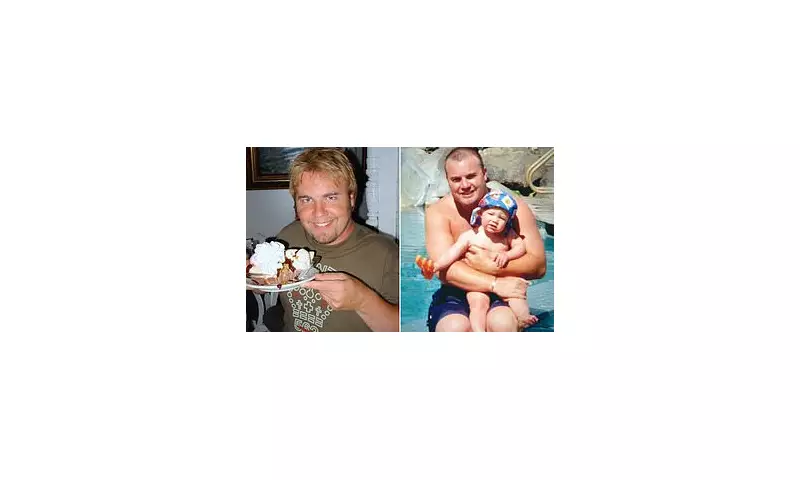
As his isolation deepened, Barlow's weight began to increase, eventually ballooning to 17 stone. He described a twisted silver lining: the less recognisable he became, the more he could feign a 'normal life'. This mindset triggered a destructive mission. 'If the food passed me, I'd just eat it... and I killed the pop star,' he revealed.
Detailing the onset of his bulimia, Barlow described a night where he had eaten excessively. 'One day I thought, I've been out, it's 10 o'clock, I've eaten too much, I need to get rid of this food.' He recounted retreating to a 'dark corner of the house' to make himself sick, initiating a harrowing cycle. 'You think it's only once and all of a sudden you're walking down that corridor again and again - is this it? Is this what I'm going to be doing forever?' The emotional toll was severe. 'I would have these nights where I'd eat and eat and eat, but however I felt about myself, I felt ten times worse the day after.'
A Turning Point and Reconciliation
Barlow stated that his low point culminated in 2003, prompting a decisive moment of self-reckoning. 'It was the day when I just went, "No, I’m not having this anymore, I’m going to change. I want to change and I’m determined that this is not who I’ve become."' He emphasised that the road to recovery was long, noting 'it took me years to get back to who I wanted to be. 10 years probably.'
The documentary also sheds light on the famed feud with Robbie Williams. Barlow revealed that the band put their differences aside after hearing concerning reports about Robbie's struggles with drink and drugs. The group, including Howard Donald, Mark Owen, and Jason Orange, flew to Los Angeles to support him.
Clearing the Air After Years of Tension
'I had a lot of stuff I wanted to say to Rob,' Barlow recalled. 'He had a lot of stuff he wanted to say to me. We'd just never done it.' Bandmate Howard Donald confirmed the emotional meeting, stating Robbie expressed his hurt from the Nineties era.
Barlow addressed specific grievances, including his lack of support for Williams's songwriting and, 'interestingly', his weight. He offered a heartfelt apology for one particularly cruel jab: 'I'd called him Blobby instead of Robbie one day - which I hold my hands up, I shouldn't have done.' The conversation proved transformative. 'In about 20/25 minutes we'd put to bed things that had haunted us for years and it felt like we could move forward after that.'
The Take That documentary series, featuring these raw and unprecedented revelations, is now available on Netflix. If you have been affected by the issues in this story, help and support is available from BEAT Eating Disorders.