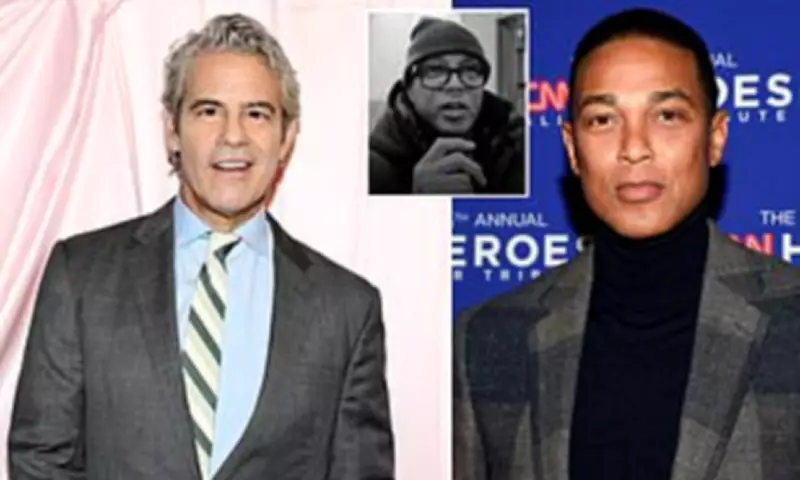
Hollywood figures have delivered impassioned responses following the arrest of former CNN anchor Don Lemon on Friday in connection with a protest that disrupted a church service in Minnesota. The prominent broadcaster was taken into custody by federal agents in Los Angeles regarding his involvement in a January demonstration at a St. Paul church, an event Lemon maintains he was covering in his professional capacity as a journalist.
Charges and Legal Response
Lemon faces serious federal charges including conspiring to deprive others of their civil rights and violating the Freedom of Access to Clinic Entrances (FACE) Act by allegedly obstructing access to a house of worship. His legal representative has vehemently criticised these accusations, characterising the arrest as an unprecedented assault on First Amendment protections for journalists operating in the field.
Celebrity Outrage and Criticism
The arrest has ignited substantial outrage across the entertainment industry, with numerous high-profile figures questioning why Lemon has been targeted while more severe incidents involving violence have reportedly gone uncharged. Bravo executive Andy Cohen emerged as one of the most vocal critics, pointedly referencing the fatal shootings of Minnesota protesters Renee Nicole Good and Alex Jeffrey Pretti in his social media commentary.

Cohen publicly questioned the priorities of law enforcement, tweeting: 'They arrested Don and not the guys who murdered protesters?' His sentiment reflects broader concerns about selective prosecution and the criminalisation of journalistic activities.
Industry Voices Weigh In
Actor Josh Gad contributed a fiery perspective to the discussion, warning that authorities are testing the limits of citizen tolerance. In a detailed post on social media platform X, Gad wrote: 'What's the BREAKING POINT? They want you to be a frog in boiling water. When people are arrested for First Amendment protected activity or shot execution style for exercising their Second Amendment rights, it's time to STOP being a frog & start being an enraged citizen who says "NO. F*** THIS. I will not remain idle."'
Comedian Kathy Griffin emphasised the universal implications of the case, stating: 'Do you guys really, really get it? It doesn't matter if you're a Democrat, Republican or just a hater, it's dangerous for YOU that Don Lemon and OTHER journalists have been ARRESTED.'
Newscaster Jemele Hill described the arrest as 'horrifying' and stressed that the issue transcends political or professional affiliations. Hill asserted: 'I don't care what your political beliefs or leanings are, what journalism outlet you represent, this absolutely cannot stand.'
Support for Authorities
Not all entertainment industry responses condemned the arrest. Former television host Megyn Kelly offered a contrasting viewpoint, tweeting: 'For those saying this is criminalising journalism, journalists don't get a pass when breaking the law just bc they have a mic. If I accompanied ppl storming an abortion clinic harassing/scaring/"traumatizing" the crying women while saying "But I'm a reporter!" I would absolutely have been charged under any Dem admin.'
Actor James Woods added a more satirical perspective, sharing a meme with the caption: 'As you all know, I started this whole thing when I called arrestee Don Lemon a "dingleberry on the ass of American journalism" on @MegynKellyShow.'
Broader Implications
The case has sparked a significant debate about the boundaries of journalistic protection, the application of federal laws to protest situations, and perceived inconsistencies in law enforcement priorities. With prominent figures from Billy Baldwin's simple 'Free Don Lemon' post to more elaborate critiques, Hollywood's reaction illustrates deep divisions about press freedom, protest rights, and the relationship between media professionals and legal authorities.
As the legal proceedings develop, this incident continues to generate discussion about whether journalistic activities receive appropriate constitutional protection or whether reporters face increasing legal risks when covering contentious events. The Hollywood response reflects broader societal concerns about civil liberties and the criminal justice system's approach to different types of alleged offences.