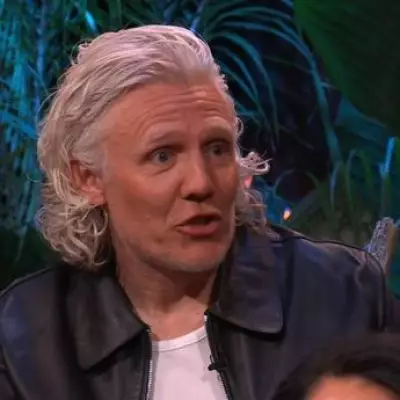
Josh Groban Opens Up About Mental Health and Fame
Josh Groban, the acclaimed singer-songwriter and actor, has shared a deeply personal reflection on his career, revealing how music once became a liability to his mental health. In a candid interview, Groban discusses his struggles with depression, the challenges of early fame, and his journey toward self-acceptance and creative rebellion.
Early Years and ADHD Diagnosis
Born in Los Angeles in 1981, Groban describes a childhood marked by shyness and social awkwardness. He recalls phases of dressing as a cowboy and other imaginative roles, which his mother used to teach him life lessons. Unaware of his ADHD at the time, he experienced intense mood swings, bouncing between hyperactivity and crashes. His creative side often remained private, with performances limited to family magic shows, while public displays of emotion left him frozen with fear.
Breakthrough and Rise to Fame
A turning point came at age 13 when a teacher gave him his first solo in choir, boosting his confidence. This led to performances with classmate Jason Schwartzman and enrollment at the LA County High School for the Arts. At 16, producer David Foster discovered him, leading to a pivotal performance with Céline Dion at the 1999 Grammys. Despite initial fears, Groban's talent shone through, and he deferred studies at Carnegie Mellon to pursue a recording career, defying trends with his classical-crossover style.

The Pressures of Stardom and Mental Health
As fame grew, Groban faced the tension between his sensitive nature and public expectations. He felt pressure to embody adult emotions in songs like To Where You Are, despite personal disconnect. This sensitivity eventually spiraled into depression, with music becoming a mental health burden. He describes years of smiling on stage while crying off it, leading to medication and therapy. Groban credits his support network for helping him avoid self-medication and maintain his vocal health.
Creative Rebellion and Broadway Success
In his 30s, Groban entered what he calls his middle-finger phase, rebelling creatively by collaborating with figures like Rick Rubin and comedy teams from Parks and Recreation. His Broadway debut in Natasha, Pierre & the Great Comet of 1812 earned a Tony nomination and felt like a homecoming, connecting him with experimental artists. This period allowed him to embrace his multifaceted talents, reminiscent of his childhood cowboy persona.
Reflection and Future Outlook
Now at 44, Groban expresses gratitude for his winding path, acknowledging that hardships like sensitivity and failures shaped his journey. He performs his first UK show in six years at London's O2 on 1 April, marking a milestone in his ongoing evolution. Groban concludes with pride in his younger self, humorously noting that the cowboy-clad child needed humility to succeed.