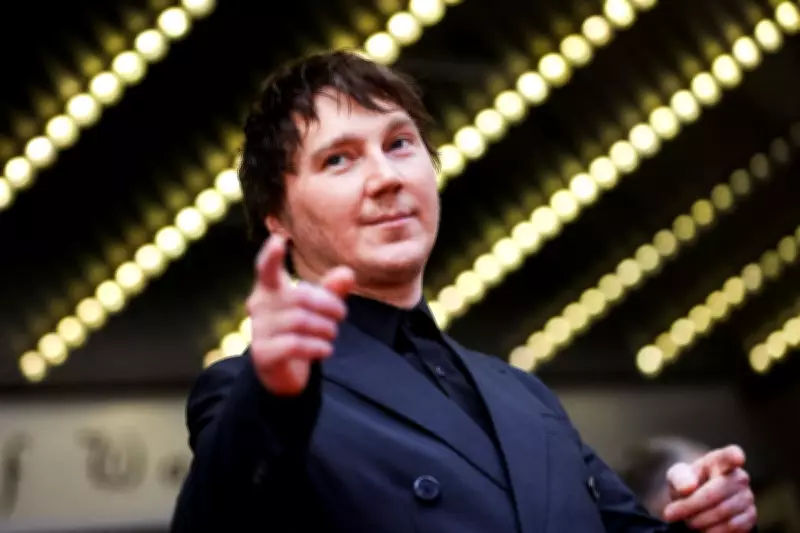
Paul Dano has finally broken his silence following director Quentin Tarantino's scathing remarks about his acting abilities. The controversy erupted last month when Tarantino, known for his outspoken views, labelled Dano as the "weakest actor in SAG" during a public discussion, a comment that quickly went viral across entertainment circles.
Industry Backlash and Support
The 41-year-old actor received an immediate and overwhelming wave of support from his peers in the film industry. Many fellow actors and colleagues publicly defended Dano's talent and professionalism, creating a significant backlash against Tarantino's unexpected critique. Among the most vocal supporters was Dano's co-star Toni Colette, who famously exclaimed that Tarantino "must have been high" when making such a dismissive statement about Dano's considerable body of work.
Dano's Diplomatic Response
In his first public comments on the matter, Dano told Variety in an interview published on Wednesday that he found the industry's response "really nice." The actor expressed particular appreciation for how his colleagues rallied to his defense, stating, "I was also incredibly grateful that the world spoke up for me so I didn't have to." This diplomatic approach suggests Dano prefers to let his work speak for itself rather than engage in public disputes with fellow filmmakers.

The Context of Tarantino's Criticism
Tarantino's comments came during a broader discussion about contemporary acting standards within the Screen Actors Guild. While the director didn't elaborate on specific performances or projects that informed his opinion, his characterization of Dano as "weak sauce" sparked intense debate about subjective artistic judgments in Hollywood. The incident highlights the ongoing tension between established filmmakers and the current generation of actors working within the industry.
As the entertainment world continues to react to this unfolding story, Dano's measured response stands in contrast to the typically heated exchanges that characterize Hollywood controversies. His decision to acknowledge the support rather than directly confront the criticism reflects a growing trend among actors navigating public scrutiny in the digital age.