In a striking reflection of societal pressures, thousands of people across Russia are actively pursuing exorcisms, a spiritual ritual traditionally performed by priests to expel perceived demons or spirits from individuals believed to be possessed. This resurgence in interest is not merely a fringe phenomenon but a significant cultural trend, drawing parallels to a similar surge observed during the tumultuous collapse of the Soviet Union in the 1980s.
War and Uncertainty Fuel Spiritual Seeking
The current intensity of this movement is widely attributed to the profound societal strain exacerbated by the ongoing war in Ukraine. As national uncertainty and personal chaos mount, many Russians are turning to spiritual solutions in search of control and solace. This has catalysed a remarkable revival in discussions and practices surrounding exorcism, highlighting a deep-seated need for psychological and spiritual relief amidst widespread turmoil.
The Rise of the 'Exorcism Economy'
While the Russian Orthodox Church officially advises that exorcisms should be conducted by ordained clergy, an informal and highly commercialised 'exorcism economy' has rapidly emerged. This burgeoning sector sees self-styled mediums and spiritual practitioners charging substantial fees for consultations, with prices reportedly starting from around £100 per session. The commodification of exorcism has transformed it into a lucrative service, reflecting what observers describe as a 'spiritual supermarket' where ancient rituals are repackaged for modern consumers.

Exorcism Tourism and Celebrity Practitioners
The phenomenon has even given rise to 'exorcism tourism', where individuals travel to specific locations or join organised tours to consult with renowned 'media exorcists'. Figures like Father Gusev have gained notoriety, attracting seekers from across the country who are willing to invest time and money in hopes of spiritual deliverance. This trend underscores how exorcism has evolved from a private religious rite into a public, market-driven experience, blending tradition with contemporary consumer culture.
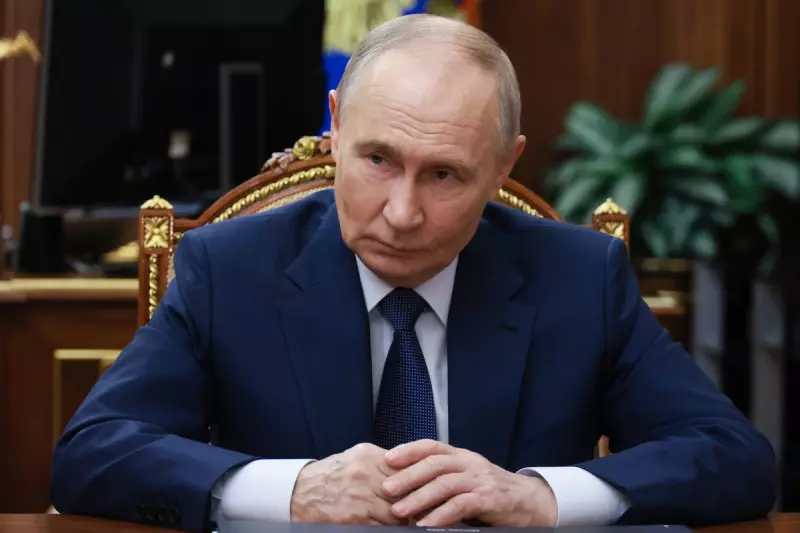
The head of Russia's Orthodox Church, Patriarch Kirill, previously named Vladimir Putin 'chief exorcist' in 2022, a symbolic gesture that some analysts link to the broader context of spiritual and political authority. However, the church's formal stance has done little to curb the growth of this informal economy, which continues to flourish as demand surges. Ultimately, the boom in exorcism seeking in Russia serves as a poignant indicator of the population's search for meaning and stability in an era marked by war, economic challenges, and profound societal shifts.