Reality television personality Sam Thompson has offered his fans a detailed health update following a surgical procedure on his vocal cords that has rendered him completely unable to speak for a minimum of three days. The presenter underwent the operation on Tuesday to excise a cyst that had developed on his vocal cords.
Surgical Procedure and Recovery Timeline
Sam Thompson first disclosed the necessity for this medical intervention last month during a conversation with his close friend Pete Wicks on their popular podcast, Staying Relevant. He explained the situation candidly, stating, "I've got a cyst on my vocal cords. I'm having that taken out, which is going to be mad because it means I have three days of vocal rest."
According to official NHS guidance, vocal cord nodules are benign, small swellings that typically form on the edges of the vocal cords within the larynx. These nodules often develop due to prolonged periods of excessive force when the vocal cords come together, frequently resulting from overuse or strain.

Post-Surgery Communication and Hospital Experience
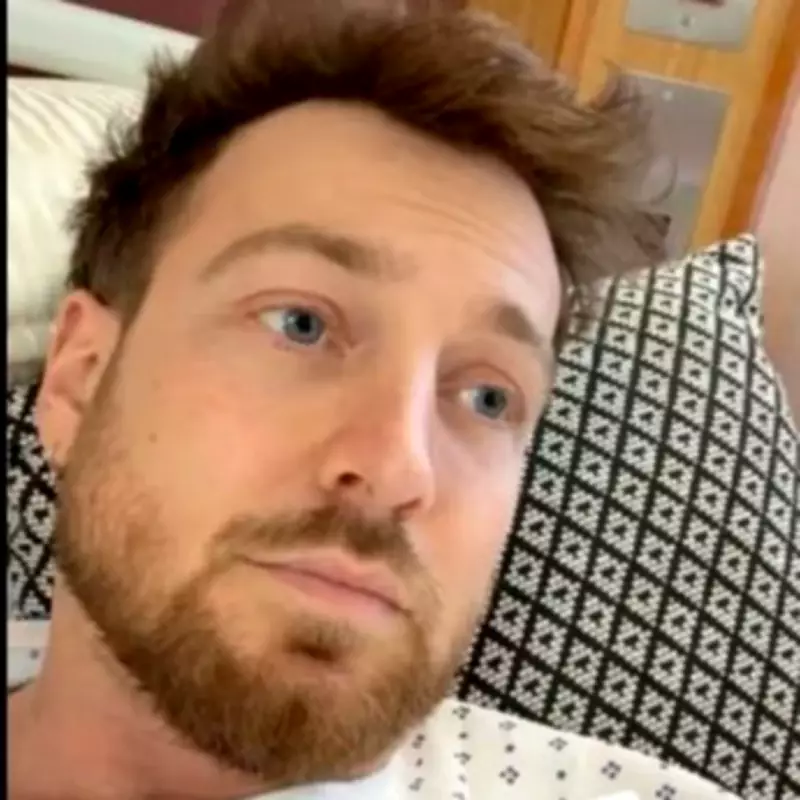
Following the Tuesday procedure, Sam Thompson shared his immediate post-operative experience through social media platforms. From his hospital bed, he posted a selfie wearing a T-shirt beneath a zip-up hoodie, accompanied by the caption: "Day 1 of no speaking… I am so bored. Although I am LOVING seeing all the cat memes you're sending!!"
In a pre-surgery video recorded at the medical facility, Thompson appeared in a standard hospital gown and expressed both his anticipation and apprehension about the upcoming operation. "I'm having vocal cord surgery – this has been in the diary for a while, I had a cyst on my vocal cords," he explained. "It's because I talk too much and shout too loudly and I keep losing my voice really easily. So yeah they are cutting it out, they are putting me to sleep, I've never been put to sleep before. I'm a bit nervous, I don't like not being in control."
Medical Context and Personal Reflections
The reality star's condition highlights a common issue among individuals who rely heavily on their voices for professional purposes. Vocal cord cysts, while non-cancerous, can significantly impact speech quality and vocal endurance, often requiring surgical intervention when conservative treatments prove insufficient.
Thompson's openness about his medical journey provides valuable insight into the recovery process following vocal cord surgery, particularly the challenging period of mandatory vocal rest that follows such procedures. His use of social media to document this experience while adhering to medical restrictions demonstrates creative adaptation during recovery.