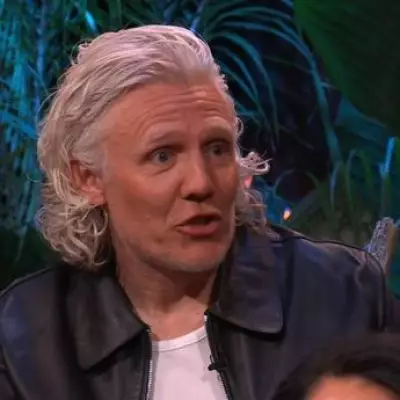
Take That's Netflix Docuseries Exposes Band's Darkest Struggles and Infighting
Take That have offered fans an unprecedented and deeply personal look into the band's turbulent history in a revealing new Netflix docuseries. The show, simply titled Take That, chronicles the group's meteoric rise to fame and the subsequent crippling lows that followed, particularly after Robbie Williams' abrupt exit in 1995.
Unseen Footage and Candid Confessions
Gary Barlow, Howard Donald, and Mark Owen narrate the series, which features previously unseen archival footage and interviews with former members Jason Orange and Robbie Williams. The documentary delves into the intense pressures and personal demons that plagued the band during their heyday.
Robbie Williams' struggles with drink and drug addiction are addressed openly, with Gary Barlow expressing regret for not recognising his bandmate's insecurities at the time. "I never considered that the most insecure and emotional person in the band was Robbie," Gary confesses in the series. "I feel quite guilty now for not recognising that."

The Breaking Point: Robbie's Departure
Mark Owen recalls the incident that precipitated Robbie's departure, describing how Robbie returned from Glastonbury "absolutely wasted." The band confronted him about his behaviour, leading to his decision to quit. Gary initially dismissed it as a temporary rift, but the next morning brought newspaper headlines announcing the split.
"It was kind of a little bit devastating," Gary remembers. "You ask yourself loads of questions - what's gonna happen now?" Mark adds that the casual nature of the confrontation belied its significance, calling it "one of the most important things that ever happened to our group."
Struggling as a Four-Piece and Mental Health Crises
Despite vowing to continue as a quartet, the remaining members soon grew envious of Robbie's solo freedom while feeling constrained by their manager's control. This tension eventually led Gary to suggest disbanding, which Howard Donald resisted fiercely.
Howard's mental health deteriorated severely after the split, leading him to contemplate suicide. "I decided to go to the Thames and, the state of my mind at that time, I was seriously thinking of jumping in," he reveals. Financial worries compounded his distress, especially after becoming a father.
Mark Owen and Gary Barlow faced their own challenges with failed solo careers and public scrutiny. Gary's confidence turned to despair as Robbie's solo success eclipsed his own, sparking a bitter public feud between the former bandmates.
Public Feuds and Personal Demons
The documentary details how Robbie's public jibes at Gary affected the entire band. Howard Donald admits to feeling "a lot of hatred towards Robbie" during this period, partly driven by jealousy of his success. Gary became a target of widespread mockery, leading to severe social withdrawal and weight gain that developed into bulimia.
"There was a period of about 13 months when I didn't leave the house once," Gary confesses. "And I also started to put weight on. And the more weight I put on the less people would recognise me."
Reconciliation and Moving Forward
The turning point came when reports surfaced about Robbie's substance abuse struggles. Concerned for their former friend, the band flew to Los Angeles to support him. Gary and Robbie had a cathartic conversation that addressed years of unresolved issues.
"In about 20/25 minutes we'd put to bed things that had haunted us for years," Gary recalls. "It felt like we could move forward after that." This reconciliation paved the way for their 2006 reunion tour, which Gary describes as the moment "the band started for me."
The docuseries presents a raw and honest portrayal of Take That's journey through fame, fracture, and eventual reconciliation. It stands as a testament to the complex personal dynamics behind one of Britain's most successful pop groups.